

If you have ever asked someone to pass the catsup and received a puzzled look in return, you are not alone. Millions of Americans grew up saying catsup instead of ketchup, and many still do today. But why do people say catsup when the rest of the world seems to have settled on ketchup? The answer is a fascinating blend of regional identity, generational habit, brand loyalty, and the stubborn way language resists change even when the dictionary moves on.
The Great Catsup vs Ketchup Debate Has Deep Roots
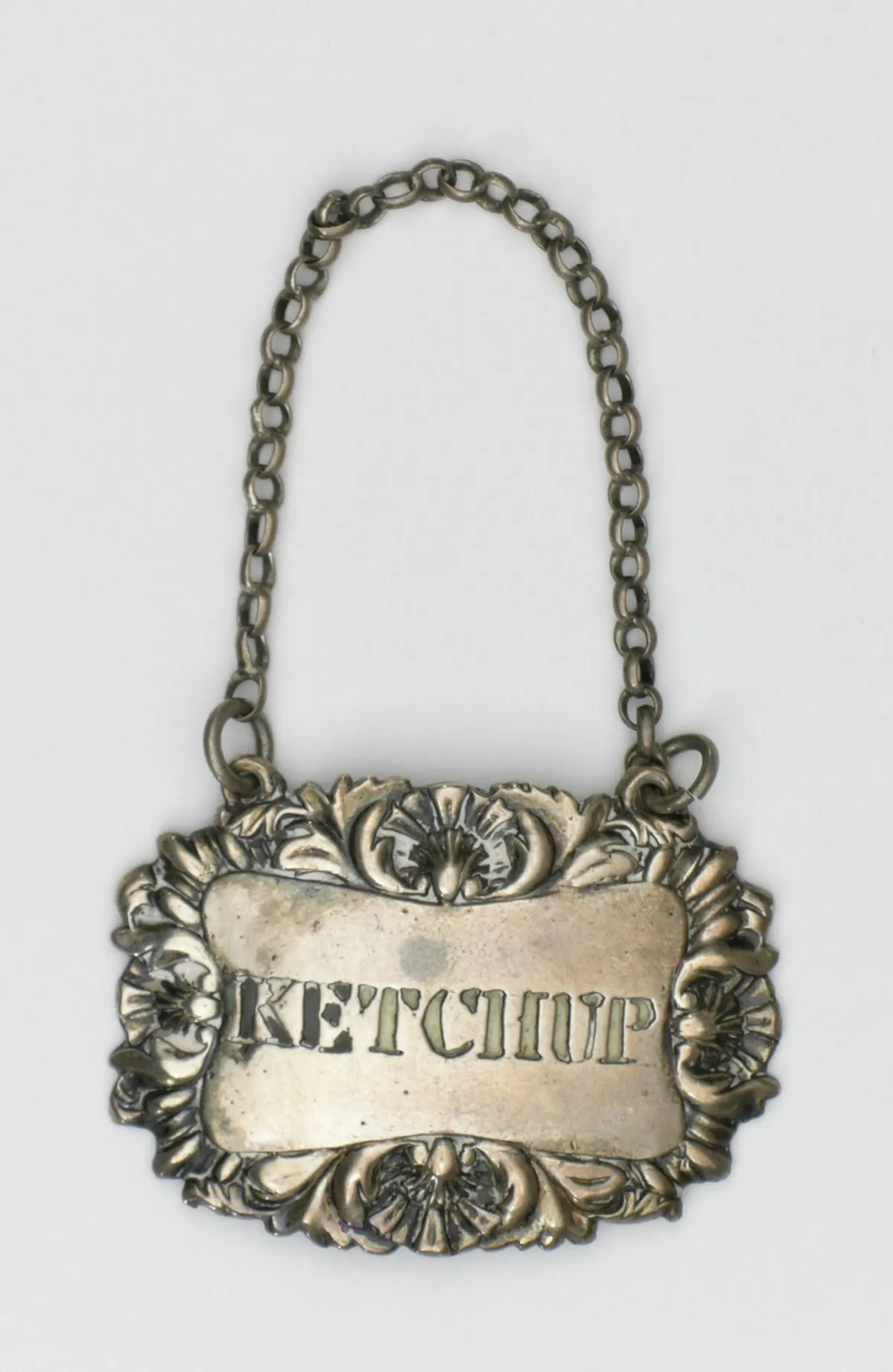
The catsup vs ketchup debate is not a modern invention. Both spellings have coexisted in English since at least the early 1700s, when European traders first encountered fermented fish sauces in Southeast Asia and tried to transliterate the word into English. Over the centuries, dozens of variant spellings appeared in cookbooks and trade records: catchup, catsup, ketchup, katchup, and more. None was considered more correct than another for a very long time. If you want to explore the full spelling history of catsup vs ketchup, you will find that the divergence goes back further than most people realize.
Regional Patterns: Who Still Says Catsup?
One of the strongest predictors of whether someone says catsup or ketchup is where they grew up. Throughout much of the 20th century, catsup was the dominant term in the American South and parts of the Midwest. Families in states like Missouri, Kentucky, Tennessee, Indiana, and southern Illinois were far more likely to reach for a bottle labeled catsup than one labeled ketchup. Meanwhile, the Northeast and West Coast had largely settled on ketchup by the 1960s.
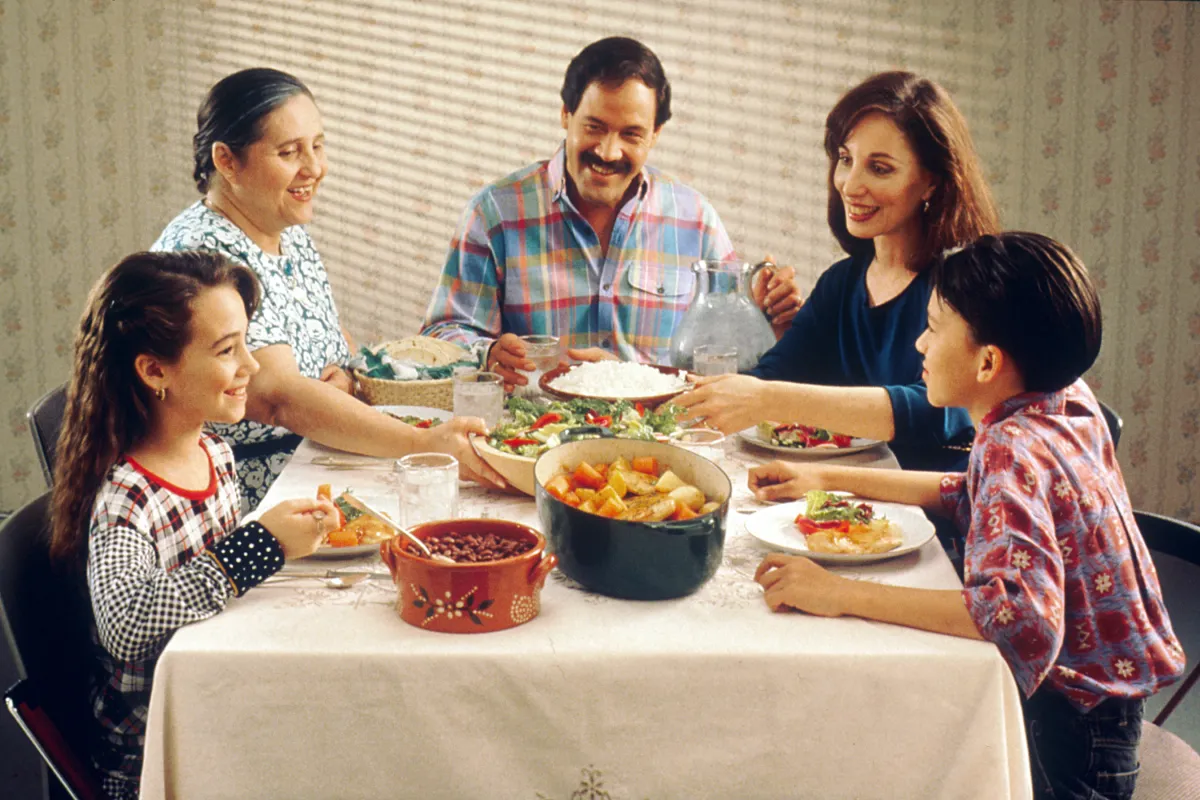
These regional language patterns are remarkably durable. Dialect researchers have found that condiment terminology, like many food words, tends to follow family and community lines rather than media trends. A child who hears grandmother say catsup at every Sunday dinner is likely to carry that word into adulthood regardless of what the bottle at the grocery store says. You can see how these patterns map across the country on our catsup vs ketchup regional map, which visualizes the geographic split based on historical survey data.
Brand Loyalty and the Catsup Label
For decades, major brands actively reinforced the catsup spelling. Hunt’s, one of the largest tomato product companies in the United States, labeled its bottles as catsup well into the 1980s. Del Monte did the same. When you grew up buying Hunt’s Catsup at the store every week, the word on the label became the word in your vocabulary. It was printed on the glass, written in recipe cards, and repeated in television commercials. Brand exposure is one of the most powerful forces in shaping everyday language, and millions of households were exposed to catsup as the official, printed-on-the-product name for their favorite condiment.
When Hunt’s finally switched its labeling to ketchup in 1988, it was a quiet but significant cultural shift. The company made the change for marketing reasons, wanting to align with what had become the more commercially dominant spelling. But for families who had been loyal Hunt’s Catsup buyers for generations, the word did not change overnight just because the label did. Language has its own momentum, and the catsup spelling had been reinforced for too long to simply vanish.
The Nostalgia Factor
There is a powerful emotional dimension to why people still say catsup. Language is tied to memory. When someone says catsup, they are often unconsciously invoking a web of associations: summer cookouts, their mother’s meatloaf, a grandmother’s kitchen, the particular shade of red on a glass bottle that sat on the table at every meal. Catsup is not just a word for these speakers. It is a sensory trigger connected to comfort, family, and home.
Nostalgia is a well-documented force in language preservation. Linguists have observed that words associated with food, family rituals, and childhood tend to persist long after they fall out of mainstream usage. People may adopt new vocabulary for technology or workplace jargon without hesitation, but the words they use for the foods they grew up eating are among the last to change. Catsup belongs to that deeply personal linguistic category.
How Language Change Actually Works
To understand why do people say catsup in an era when ketchup dominates every grocery shelf, it helps to understand how language change works at a basic level. Contrary to popular belief, language does not change because authorities decree it. Dictionaries and style guides follow usage rather than dictate it. When enough people use a particular form, it becomes standard. When fewer people use an alternative form, it gradually recedes but rarely disappears entirely.
The shift from catsup to ketchup as the dominant American spelling happened gradually over the second half of the 20th century. Heinz, which had always used the ketchup spelling, grew to dominate the market so thoroughly that its preferred spelling became the de facto standard. Newspapers and publishers followed suit. By the 1990s, ketchup had won the spelling war in print. But spoken language moves on a different timeline. Words that people learned in childhood and reinforced through decades of daily use do not simply update themselves because the marketplace changed.
This is why pockets of catsup usage persist today, especially among older Americans and in regions where the word had the deepest roots. It is not ignorance or stubbornness. It is the completely normal way that language works. Variant forms linger for generations after one spelling or pronunciation gains dominance, sustained by family transmission and community practice.
Generational Transmission: Passing Down the Word
Perhaps the most important reason people still say catsup is the simplest one: they learned it from someone they love. A father who says catsup teaches his children to say catsup. A grandmother who writes catsup in her handwritten recipe cards passes the word down as surely as she passes down the recipe itself. Language acquisition in the home is the most powerful form of language transmission, and it operates largely below conscious awareness.
Children absorb vocabulary from their caregivers before they can read labels or watch commercials. By the time a child encounters the word ketchup on a bottle at school or at a friend’s house, the word catsup may already be deeply embedded in their linguistic habits. Some speakers eventually switch. Others carry both words, using catsup at home and ketchup in public. And some proudly say catsup in every context, treating it as a marker of identity and heritage.
Why Preserving the Word Catsup Matters
In an age of linguistic homogenization, where global media and corporate branding flatten regional differences, there is real value in preserving words like catsup. Regional vocabulary is part of cultural heritage. It connects us to the people and places that shaped us. When we lose a word, we lose a thread in the fabric of local identity.
Catsup is more than an alternative spelling of a condiment name. It is a living piece of American English, a word that carries within it the history of immigration, trade, brand competition, regional pride, and family love. Every person who still says catsup is keeping a small piece of linguistic history alive, whether they know it or not.
So the next time someone asks you to pass the catsup, do not correct them. Instead, appreciate that you are hearing a word with centuries of history behind it, a word that has survived the rise and fall of empires, the consolidation of condiment brands, and the relentless pressure of standardization. Catsup endures because language belongs to the people who speak it, and some words are simply too deeply rooted to let go.
CONTENT )