

In the early 2000s, something unexpected appeared on supermarket shelves: catsup in every color of the rainbow. Purple catsup, green catsup, teal, blue, and orange varieties turned the condiment aisle into a technicolor spectacle. Colored catsup was a phenomenon that captivated children, baffled parents, and became one of the most talked-about food product launches of the decade. In this guide, we explore the history of colored catsup, the science behind the colors, why it disappeared, and whether it might make a comeback.
The Rise of Colored Catsup: Heinz EZ Squirt
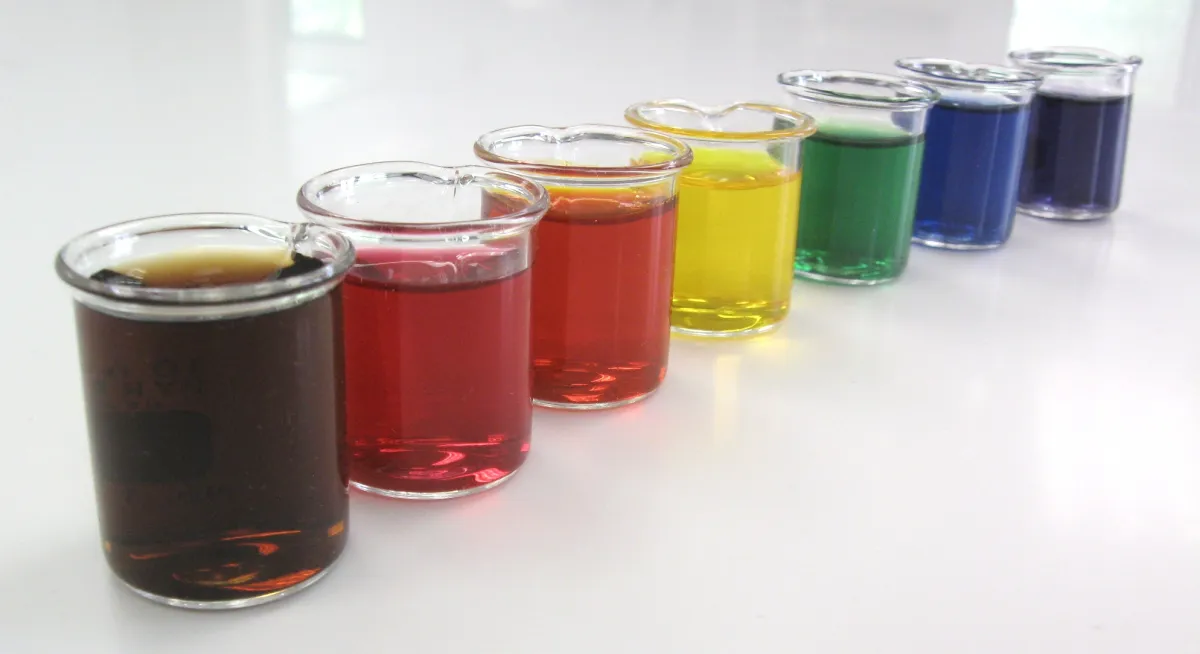
The colored catsup craze began in October 2000 when Heinz launched its revolutionary EZ Squirt Blastin’ Green catsup. The product was a bold gamble aimed squarely at children, who Heinz correctly predicted would go wild for the novelty of squeezing green catsup onto their hot dogs and french fries. The launch was tied to the release of the first Shrek movie, though the green color also evoked the playful grossness that kids love.
The response exceeded all expectations. Heinz sold over ten million bottles of green catsup in the first seven months alone, making it one of the most successful product launches in the company’s history. The success of green led Heinz to expand the line rapidly. Purple catsup, branded as “Funky Purple,” arrived in 2001 and was an immediate hit. The company subsequently introduced colors including Stellar Blue, Passion Pink, Awesome Orange, and Totally Teal, creating a full spectrum of colored catsup options.
How Did They Make Purple and Green Catsup?
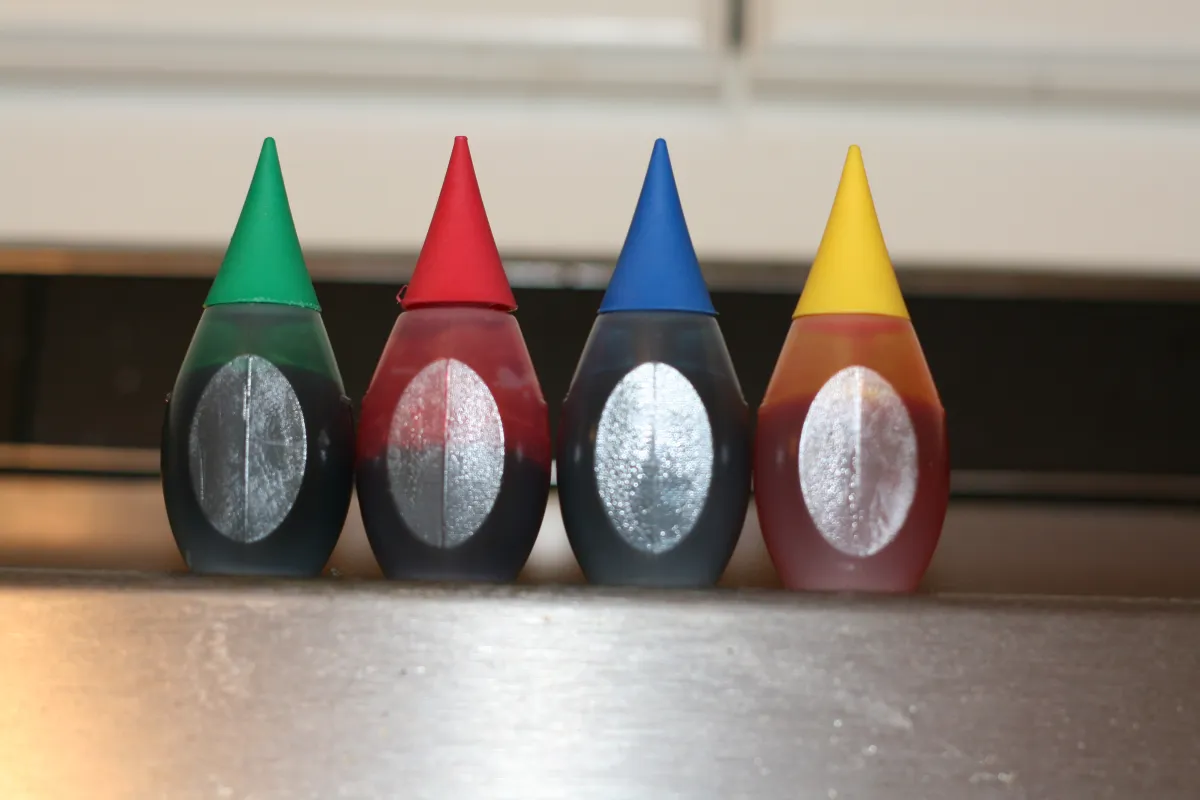
A common misconception about colored catsup is that it was made from different ingredients than regular catsup. In reality, the base product was identical to standard Heinz catsup. The same tomatoes, vinegar, sugar, and spices went into every bottle regardless of color. The magic was entirely in the food coloring.
To create green catsup, Heinz added blue and yellow food dyes to the naturally red catsup, with the ratios carefully calibrated to produce an appetizing shade of green rather than the muddy brown that simple color mixing might suggest. Purple catsup was achieved by adding blue and red dyes in specific proportions. Each color required extensive testing to find shades that looked appealing in the bottle, on food, and under various lighting conditions. The teal and blue varieties were particularly challenging, as blue food is psychologically unusual for most Western consumers.
The Cultural Impact of Colored Catsup
The launch of colored catsup was more than a product release. It was a cultural event. Children across America begged their parents for bottles of green catsup and purple catsup, and the product became a lunchbox status symbol. Kids who showed up to school with colored catsup in their packed lunches were the envy of the cafeteria. The product sparked conversations about food, color, and psychology, and it became a case study in marketing that is still taught in business schools today.
The media coverage was extensive. News outlets ran segments about the colored catsup phenomenon, food scientists explained the psychology of colored food on talk shows, and opinion columnists debated whether dyeing catsup was a harmless novelty or a sign of culinary decline. The product generated the kind of organic buzz and cultural conversation that marketing departments dream about, all without social media, which was still years away from mainstream adoption.
Why Did Colored Catsup Disappear?
Despite the initial explosion of popularity, Heinz discontinued its colored catsup line in 2006. Several factors contributed to the product’s decline. The most significant was simple novelty fatigue. Purple catsup and green catsup were exciting because they were new and different, but once the novelty wore off, many consumers returned to the comfort of traditional red. Children who had driven the initial demand grew older and moved on to other interests.
There were also practical issues. When multiple colors of catsup were squeezed onto the same plate, they tended to mix into an unappetizing brown or grayish color that dampened enthusiasm. Parents reported that colored catsup was harder to clean up than regular catsup, as the additional dyes left more stubborn stains on clothing, tablecloths, and skin. For stain removal tips that work on all types of catsup, visit our catsup stain removal guide.
The growing consumer movement toward natural and organic foods also worked against colored catsup. As parents became more conscious about artificial ingredients in their children’s food, a product that added unnecessary artificial dyes to an already perfectly good condiment faced increasing resistance. The rise of clean-label foods made colored catsup seem like a relic of a less health-conscious era.
The Psychology of Colored Food
The colored catsup experiment provided fascinating insights into food psychology. Research has shown that color is one of the most powerful influences on how we perceive taste. Studies conducted during the colored catsup era found that many consumers reported green catsup tasted different from red catsup even though the formulas were identical. Some described the green version as having a minty or vegetable-like flavor, while purple catsup was sometimes perceived as sweeter or fruitier. These phantom flavors demonstrate the remarkable power of visual expectations on taste perception.
For children, however, the color effect worked differently. Kids tend to be more open to novel food colors and less influenced by traditional food-color associations. This is why colored catsup was far more successful with young consumers than with adults. Children saw the unusual colors as fun and exciting rather than unsettling, which aligned perfectly with Heinz’s marketing strategy.
Can You Make Colored Catsup at Home?
If you want to recreate the colored catsup experience for a party, children’s event, or just for fun, it is surprisingly easy to make at home. Start with your favorite regular catsup and add food coloring drops until you reach the desired shade. For green catsup, add three to five drops of green food coloring (or a mix of blue and yellow) per half cup of catsup and stir thoroughly. For purple catsup, add three to five drops of blue food coloring and one to two drops of red. For natural coloring alternatives, try spirulina powder for green, butterfly pea flower extract for blue-purple, or beet juice powder for a deeper red.
Colored catsup is a guaranteed hit at children’s birthday parties, Halloween gatherings, and themed events. Set up a catsup bar with several colors and let guests choose their own adventure. Just be sure to lay down some protective covering for surfaces, and check our stain removal guide in advance for peace of mind.
Will Colored Catsup Make a Comeback?
Nostalgia is a powerful force in the food industry, and there is growing demand from millennials who remember purple catsup and green catsup from their childhoods. Social media posts reminiscing about colored catsup regularly go viral, and petition campaigns asking Heinz to bring back the product have gathered thousands of signatures. Some specialty food companies have begun producing small-batch colored catsup using natural colorings, targeting the nostalgia market while addressing modern concerns about artificial ingredients.
Whether or not the original Heinz EZ Squirt line returns, the legacy of colored catsup endures as one of the most memorable food product experiments in history. It proved that even the most familiar condiment can be reinvented in ways that capture the public imagination. For more about the fascinating world of catsup, explore our guides on types of catsup, fancy catsup, and catsup storage.