

Walk into any taqueria in Mexico. You will likely spot a bottle of catsup mexicana right next to the salsas. Mexican catsup is a bold condiment. It takes the classic tomato sauce and adds the fiery spirit of Mexican cooking. You can find it at street food carts in Mexico City and in home kitchens in Guadalajara. Catsup Mexico holds a special place in the country’s food culture. This guide covers the history, types, recipes, and meaning of salsa catsup mexicana.
What Is Mexican Catsup?
Mexican catsup comes in several forms. They all share one thing: a smooth, sweet-tangy base mixed with bold Mexican flavors. Standard American catsup focuses on sweetness. Catsup Mexico leans into heat, smoke, citrus, and rich spices. The result is a bolder, more versatile sauce.
The most common form is store-bought catsup mexicana with added chili peppers. Brands like Clemente Jacques, La Costena, and Del Monte Mexico make it. You can find them across Mexico and in Latin grocery stores worldwide. They are thinner than American catsup, brighter in color, and have a chili kick that ranges from mild to medium.
Salsa Catsup Mexicana: The Spicy Classic
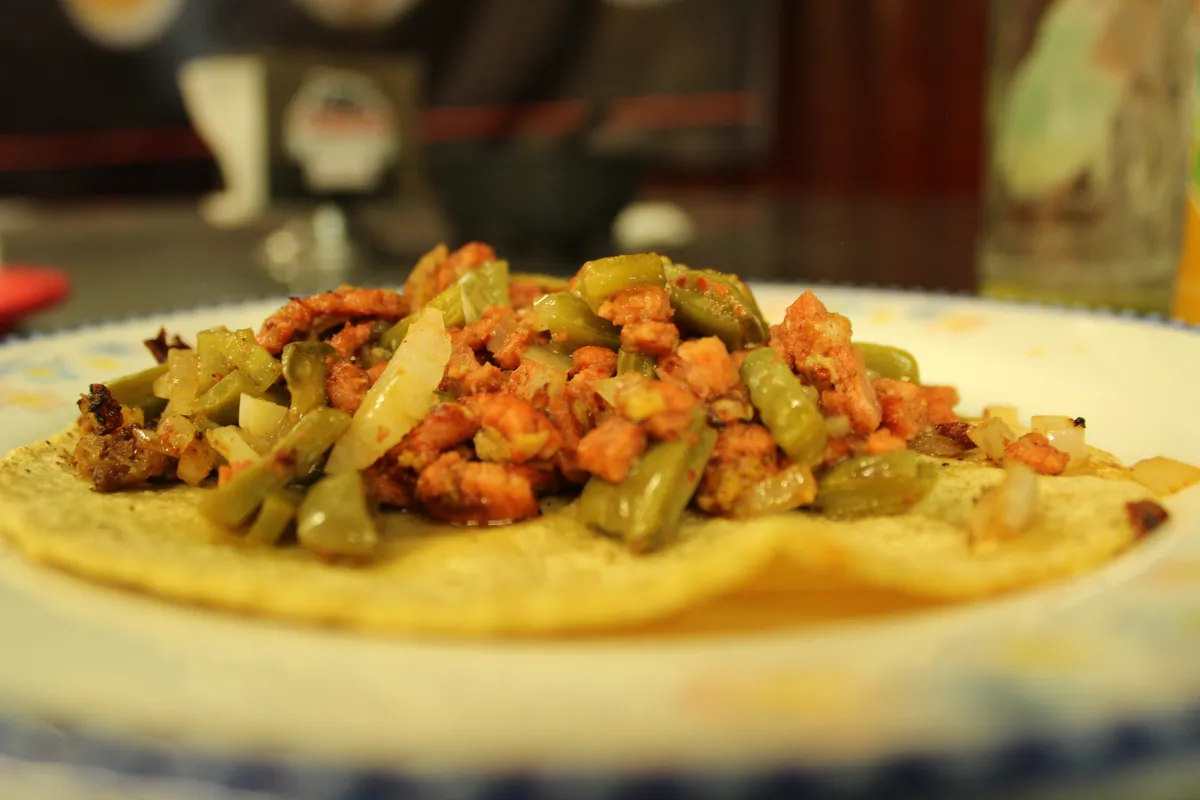
Salsa catsup mexicana is a specific preparation that bridges the gap between catsup and salsa. It blends the smooth texture of catsup with the fresh, tangy flavors of Mexican salsa. A typical salsa catsup starts with tomato paste. Then it gets chili de arbol or chipotle for heat, lime juice for zing, garlic and onion for depth, plus cumin and oregano. The result works great on hot dogs or tacos al pastor.
What makes salsa catsup particularly appealing is its ability to enhance nearly any Mexican dish without overpowering it. The smooth texture means it integrates seamlessly with other ingredients, while the chili heat adds excitement without the chunky texture of raw salsa. Many Mexican families have their own recipe for salsa catsup mexicana that has been passed down through generations, with each household claiming theirs is the best.
The Role of Catsup in Mexican Street Food
In Mexico’s vibrant street food culture, catsup Mexico plays a supporting role that is easy to overlook but impossible to replace. Street vendors offering hot dogs, hamburguesas, papas fritas, and tostilocos almost always have a bottle of catsup available alongside mustard, mayonnaise, and various hot sauces. Mexican-style hot dogs, known as “dogos” in places like Hermosillo and Tijuana, are typically topped with Mexican catsup along with beans, grilled onions, jalapa peppers, mustard, and crumbled bacon.
The famous “dorilocos” and “tostilocos” snacks, which involve corn chips loaded with vegetables, hot sauce, lime, and various toppings, frequently include a generous squeeze of catsup mexicana as part of the layered flavor profile. In these preparations, the catsup provides a sweet counterpoint to the acidic lime and fiery chili, creating a balanced and addictive combination.
How to Make Salsa Catsup Mexicana at Home
Making your own salsa catsup mexicana is straightforward and allows you to customize the heat level and flavor to your preferences. Here is a recipe that produces approximately two cups of sauce.
Start with one cup of tomato paste. Add two tablespoons each of white vinegar and lime juice. Mix in one tablespoon of sugar, one teaspoon each of salt and cumin, and half a teaspoon each of garlic and onion powder. Then add your chili: one tablespoon of blended chipotle in adobo for mild heat, two for medium, or three for hot. You can also add half a teaspoon of cayenne for extra fire. Whisk it all together and thin with water to your liking. Chill the salsa catsup for at least one hour before serving. This lets the flavors blend.
Popular Mexican Catsup Brands
Clemente Jacques
Clemente Jacques is one of the most iconic food brands in Mexico, and their catsup is a household staple. Their catsup mexicana is slightly thinner and more tangy than American varieties, with a clean tomato flavor and moderate sweetness. They also produce a spicy version with chili that is hugely popular with street food vendors.
La Costena
La Costena offers a Mexican catsup that emphasizes bold tomato flavor with a hint of sweetness. Their products are widely distributed both in Mexico and in international markets, making them one of the most accessible brands for those wanting to try authentic catsup Mexico style. They also produce a catsup with habanero that delivers serious heat for spice lovers.
Del Monte Mexico
While Del Monte is a global brand, their Mexican operation produces a catsup formulated specifically for the local market. It tends to be slightly less sweet than the American version with a more pronounced vinegar tang. Del Monte’s catsup mexicana is a popular choice in Mexican households and restaurants alike.
Mexican Catsup vs. American Catsup
Mexican catsup and American catsup reflect different food cultures. American catsup aims for sweet, smooth, crowd-pleasing flavor. Catsup Mexico goes for heat, tang, and depth. American catsup is thick and uniform. Mexican versions tend to be thinner and easier to pour.
The ingredients differ too. American catsup often uses high-fructose corn syrup. Catsup mexicana typically uses cane sugar instead. Mexican versions may add chili extracts, lime, and different spices. The tomato flavor comes through more clearly, giving it a brighter taste.
Cooking with Mexican Catsup
- Marinade base: Mix salsa catsup mexicana with lime juice and oil for an instant marinade for chicken, pork, or shrimp.
- Taco topping: Drizzle over tacos, burritos, and quesadillas for a sweet-spicy finish.
- Cocktail mixer: Use in micheladas and Bloody Mary variations for a Mexican twist.
- Dipping sauce: Serve alongside empanadas, taquitos, or churros for a savory contrast.
- Burger upgrade: Replace standard catsup on burgers and hot dogs for more exciting flavor.
- Rice flavoring: Stir into Mexican rice during cooking for added color and taste.
Where to Buy Mexican Catsup
Finding Mexican catsup outside of Mexico is easier than ever. Latin American grocery stores and international food markets typically stock multiple brands. Major online retailers carry Clemente Jacques, La Costena, and other authentic brands with shipping throughout North America. Some well-stocked mainstream supermarkets also carry Mexican catsup in their international foods section. Once you have a bottle, be sure to check out our catsup storage guide for tips on keeping it fresh, and explore the full range of catsup varieties to discover even more exciting options.