The history of catsup stretches back centuries, weaving through ancient Asian fish markets, colonial European kitchens, and American dining tables. Today, this beloved condiment sits in nearly every refrigerator in the United States, yet few people know the remarkable journey behind it. Understanding the catsup origin story reveals a tale of cultural exchange, culinary innovation, and linguistic evolution that transformed a pungent fermented fish sauce into the sweet tomato-based staple we know today.
The Ancient Asian Roots of Catsup

The origin of catsup begins not with tomatoes, but with fish. In the coastal regions of southern China and Southeast Asia, as far back as the 3rd century BCE, communities fermented fish and shellfish with salt to create potent, savory sauces. These condiments — known by various names including kê-tsiap in the Hokkien dialect of southern China — served as essential flavor enhancers in everyday cooking. The word kê-tsiap roughly translates to “fermented fish sauce,” and it is this term that most linguists point to when tracing the catsup etymology.
This fermented fish brine bore almost no resemblance to the thick, red condiment we associate with the word today. It was thin, dark, intensely salty, and packed with umami — the deep, savory flavor profile that anchors much of Asian cuisine. Variants of this sauce spread throughout the Malay Archipelago, Indonesia, the Philippines, and Vietnam, each region adapting the recipe to local ingredients and tastes.
How Catsup Traveled to Europe
The catsup history takes its next major turn in the 17th century, when Dutch and British traders operating in Southeast Asia encountered these fermented sauces. British sailors and merchants, in particular, developed a taste for the condiment and began bringing it back to England. By the early 1700s, references to “ketchup” and “catchup” start appearing in English cookbooks and trade documents.
European cooks, lacking access to the specific fish and fermentation techniques used in Asia, began experimenting with local ingredients to recreate something similar. Early English ketchup recipes called for ingredients like anchovies, mushrooms, walnuts, oysters, and even beer. Mushroom ketchup became especially popular in 18th-century Britain and remained a pantry staple for well over a century. These European adaptations retained the salty, fermented quality of the original but moved steadily away from its Asian fish-sauce roots.
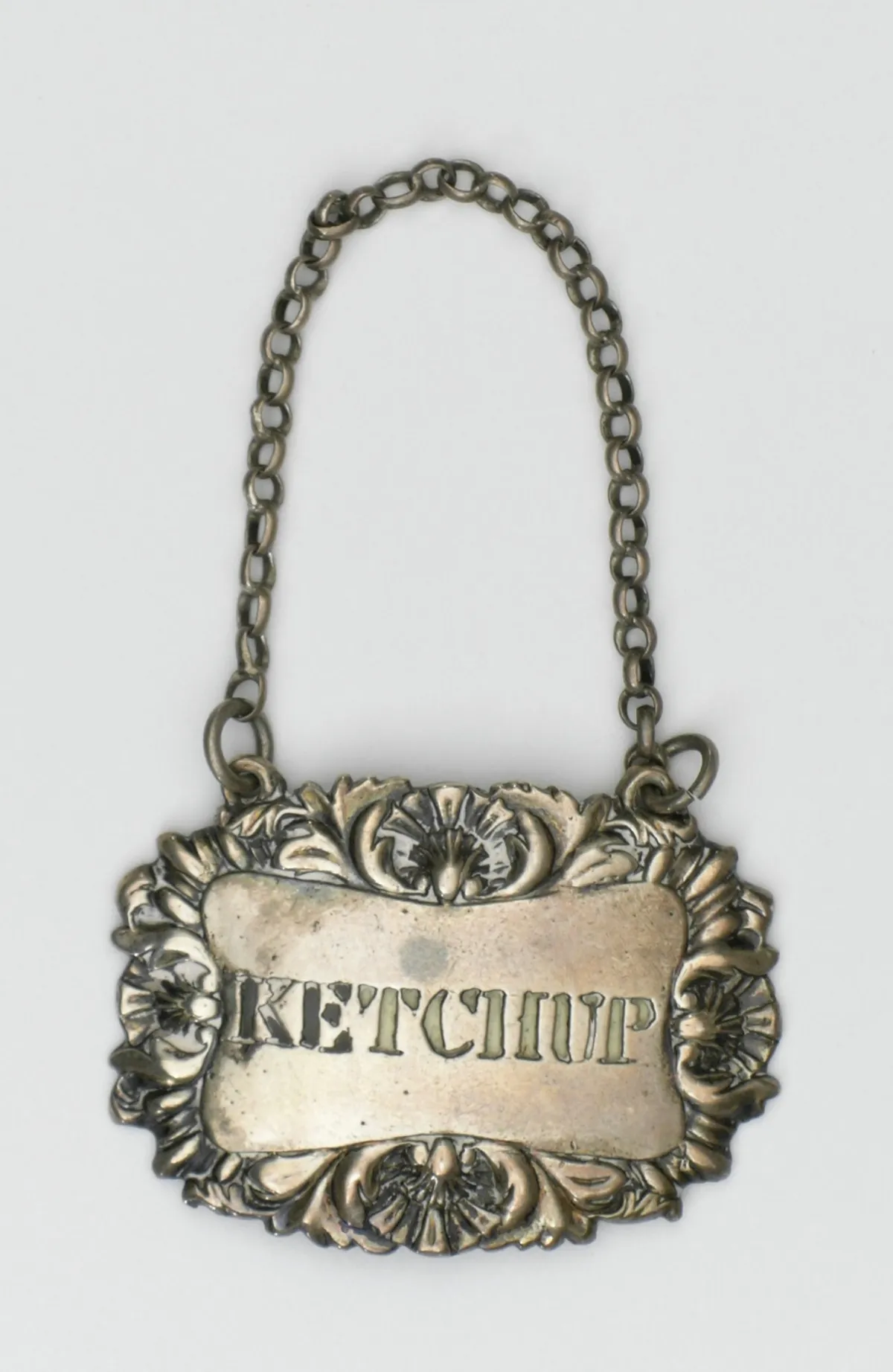
The origin of word catsup itself reflects this era of adaptation. English speakers heard the Hokkien kê-tsiap and the Malay kecap and rendered them variously as “ketchup,” “catchup,” and “catsup.” All three spellings coexisted for decades, and none was considered more correct than the others. This spelling variation would persist well into the 20th century and remains a point of curiosity — and sometimes confusion — to this day.
Catsup Arrives in Colonial America
British colonists carried their ketchup recipes across the Atlantic, and by the late 1700s, American cooks were producing their own versions. Early American catsup recipes appeared in cookbooks and household manuals, often calling for mushrooms, walnuts, or tomatoes combined with vinegar, spices, and sugar. The tomato variant, which would eventually dominate, first appears in American recipes around 1812, when Philadelphia scientist and horticulturist James Mease published what is widely considered the first tomato-based ketchup recipe.
At this time, tomatoes were still viewed with suspicion by many Americans and Europeans, who believed them to be poisonous due to their membership in the nightshade family. The gradual acceptance of tomatoes as a safe and delicious food helped propel the tomato version of catsup to prominence. By the mid-1800s, tomato catsup was rapidly overtaking mushroom and walnut varieties in American kitchens. To learn more about the key figures behind this transformation, explore our page on who invented catsup.
The Commercialization of Catsup in the 1800s
The industrialization of America in the 19th century changed catsup from a homemade condiment into a commercial product. Small producers began bottling and selling tomato catsup in the 1830s and 1840s. However, early commercial catsup had serious problems. Without modern preservation techniques, manufacturers often relied on questionable additives — including coal tar dyes, sodium benzoate, and other chemicals — to extend shelf life and enhance color.
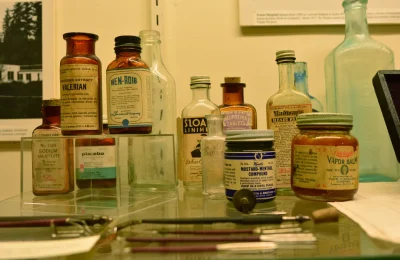
This era also saw one of the most surprising chapters in catsup history: the marketing of tomato extract as a health remedy. In the 1830s, Dr. John Cook Bennett championed tomatoes as a cure for ailments ranging from diarrhea to indigestion, and enterprising sellers began packaging concentrated tomato products in pill form. For a deeper look at this fascinating episode, visit our article on catsup as medicine.
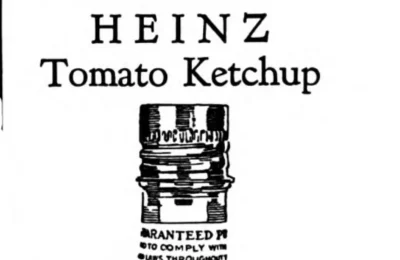
The real turning point came in 1876, when Henry J. Heinz began producing his tomato ketchup. Heinz distinguished his product by using ripe, fresh tomatoes and increasing the vinegar content, which allowed him to avoid the artificial preservatives his competitors relied on. His commitment to purity — and brilliant marketing — helped Heinz ketchup become the dominant brand in America by the early 20th century.
Catsup vs. Ketchup: The Spelling Divide
One of the most frequently asked questions about the history of catsup involves the spelling. Why do we have two words — catsup and ketchup — for the same product? The answer lies in regional and commercial preferences that evolved over more than two centuries.
Throughout the 1800s and into the 1900s, “catsup” was the dominant spelling in many parts of the United States, particularly in the South and Midwest. “Ketchup” was more common in New England and in Britain. The two terms referred to exactly the same condiment, and both appeared on store shelves side by side. Heinz originally labeled his product “Heinz Tomato Catsup” before switching to “Ketchup” in the early 20th century, a decision that would prove pivotal in settling the linguistic debate. For the full story on this shift, read our page about when catsup became ketchup.
Catsup in the 20th Century and Beyond
By the mid-20th century, tomato ketchup had become one of the most consumed condiments in the United States. The catsup origin story had come full circle: a sauce that began as fermented fish brine in ancient China had become a sweet, tangy, tomato-based icon of American cuisine.
The 20th century brought further refinements. Sugar content increased, recipes were standardized, and ketchup became inseparable from the rise of fast food culture. Brands like Heinz, Hunt’s, and Del Monte competed fiercely for market share. The USDA established official standards of identity for ketchup in 1988. And in 1981, the Reagan administration famously — and controversially — attempted to classify ketchup as a vegetable for the purposes of school lunch programs, sparking a national debate about nutrition and politics.
Today, ketchup is a global product, consumed in countries around the world and adapted to local tastes. Variations include banana ketchup in the Philippines, curry ketchup in Germany, and spicy ketchup blends across Latin America. Artisanal and organic versions have emerged, along with reduced-sugar and no-sugar options that reflect contemporary health trends.
Why the History of Catsup Matters
The origin of catsup is more than a culinary footnote. It is a case study in globalization, illustrating how a product can travel across continents, transform beyond recognition, and embed itself in an entirely new culture. The catsup etymology alone — from Hokkien kê-tsiap to English “ketchup” — traces a path through colonialism, trade, and cultural exchange that mirrors the broader story of how the modern world was made.
Whether you call it catsup or ketchup, the story behind the bottle is rich, surprising, and deeply human. From ancient fish fermentation to a $3 billion global industry, the journey of this condiment reminds us that even the most ordinary items on our tables carry extraordinary histories.
The earliest ancestor of catsup dates back to the 17th century, when Southeast Asian and Chinese traders produced a fermented fish sauce called ke-tsiap. The tomato-based version we know today was first developed in the early 1800s in the United States, with the first known tomato ketchup recipe published by James Mease in 1812. Commercial production began in earnest when H.J. Heinz started bottling tomato catsup in 1876.
Yes, the original version of catsup was a fermented fish sauce, nothing like the tomato-based condiment we use today. The Hokkien Chinese word ke-tsiap literally meant “fermented fish sauce,” and early European adaptations used anchovies, oysters, and mushrooms as base ingredients. Tomatoes did not become part of the recipe until American cooks began experimenting with them in the early 1800s.
The shift from “catsup” to “ketchup” as the dominant spelling happened gradually over the 20th century. Heinz originally labeled its product “Catsup” before switching to “Ketchup” in the late 1800s, and as Heinz grew to dominate the market, their preferred spelling became the standard. By the late 1980s, even holdout brands like Hunt’s and Del Monte had switched their labels from “catsup” to “ketchup.”
Yes, in the 1830s, Dr. John Cook Bennett promoted tomatoes as a cure for ailments including diarrhea, indigestion, and liver disease. Entrepreneurs began selling concentrated tomato extract in pill form as a patent medicine. While these health claims were greatly exaggerated, modern science has confirmed that tomatoes contain lycopene, a beneficial antioxidant, lending a small grain of truth to the historical claims.