There is something deeply satisfying about making homemade catsup from scratch. Whether you grew up calling it catsup or ketchup, the condiment we all know and love tastes infinitely better when you control the ingredients, the sweetness, and the spice level. This comprehensive guide covers everything you need to know about crafting your own catsup recipe at home — from a classic baseline recipe to creative variations like banana catsup, mushroom catsup, and even fermented catsup.
Why Make Homemade Catsup?
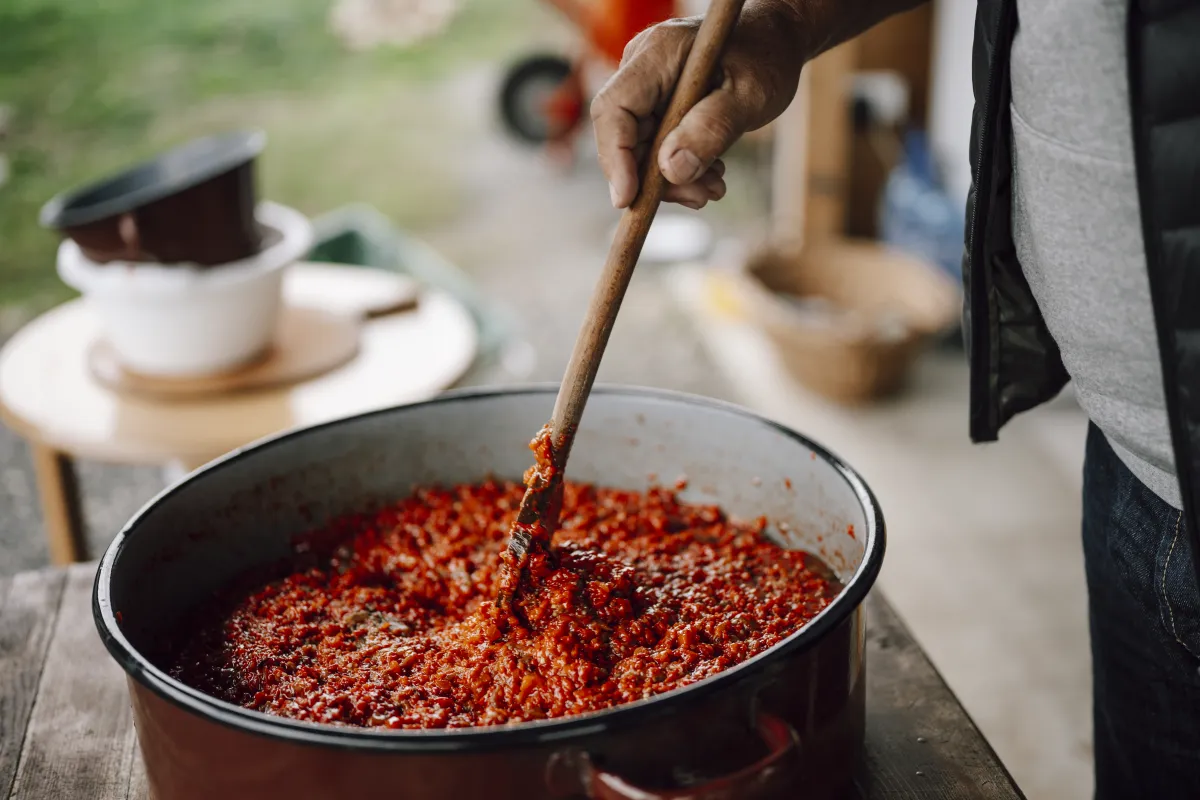
Commercial catsup is loaded with high-fructose corn syrup, artificial preservatives, and excessive sodium. When you learn how to make catsup at home, you gain complete control over every ingredient. You can reduce sugar, increase spice, use organic tomatoes, or experiment with entirely different bases like bananas or mushrooms. Homemade catsup also makes a thoughtful gift — imagine handing someone a jar of your own small-batch spicy catsup or a bottle of rich curry catsup.
Beyond health benefits, homemade catsup simply tastes better. The depth of flavor you get from slowly simmering fresh tomatoes with real spices is worlds apart from the flat, one-note sweetness of store-bought bottles. Once you try it, you may never go back.
Essential Equipment for Making Catsup at Home
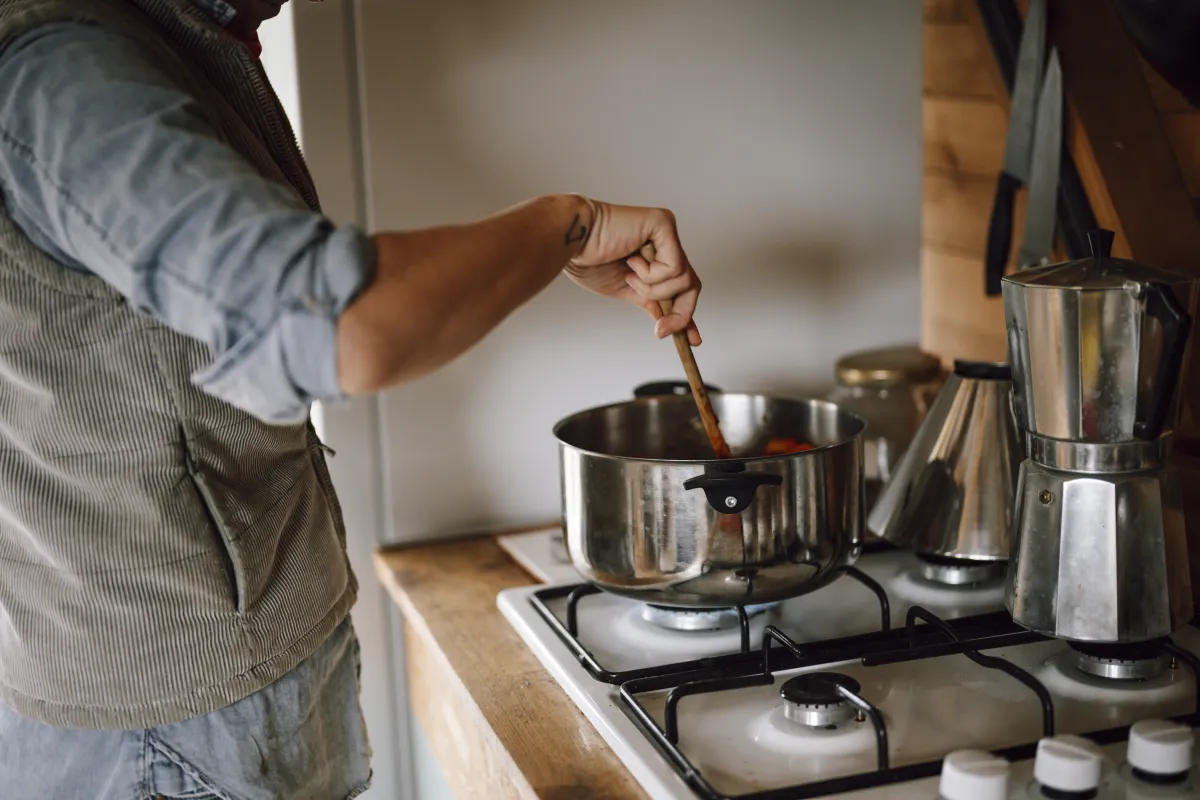
Before diving into your first homemade catsup recipe, make sure you have these basic tools on hand:
- Large heavy-bottomed pot or Dutch oven — essential for even heat distribution during the long simmer
- Immersion blender or countertop blender — for achieving that smooth, pourable consistency
- Fine-mesh strainer — optional but helpful for an ultra-smooth texture
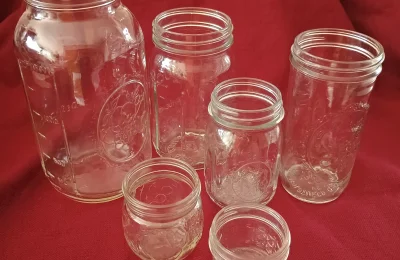
- Canning jars and lids — if you plan to preserve your catsup for long-term storage
- Digital kitchen scale — for precise measurements, especially when scaling recipes
- Funnel — makes transferring catsup to bottles much easier
Classic Homemade Catsup Recipe
This is the foundational catsup recipe that every home cook should master. It strikes the perfect balance between sweet, tangy, and savory, and it serves as the starting point for all the variations covered in our recipe collection. Once you are comfortable with this base recipe, you can branch out into dozens of exciting directions.
Ingredients
- 2 cans (28 oz each) whole peeled San Marzano tomatoes
- 1 medium yellow onion, diced
- 2 cloves garlic, minced
- ¾ cup apple cider vinegar
- ½ cup brown sugar (or coconut sugar for a less refined option)
- 1 tablespoon tomato paste
- 1 teaspoon sea salt
- ½ teaspoon black pepper
- ½ teaspoon ground allspice
- ¼ teaspoon ground cloves
- ¼ teaspoon ground cinnamon
- ⅛ teaspoon cayenne pepper (optional)
- 1 tablespoon olive oil
Step-by-Step Instructions
- Sauté the aromatics. Heat olive oil in a large heavy-bottomed pot over medium heat. Add the diced onion and cook for 5 to 7 minutes until softened and translucent. Add the garlic and cook for another 30 seconds until fragrant.
- Add the tomatoes. Pour in both cans of whole peeled tomatoes, crushing them by hand as you add them. Stir in the tomato paste, brown sugar, and apple cider vinegar.
- Season the mixture. Add the salt, black pepper, allspice, cloves, cinnamon, and cayenne pepper if using. Stir everything together thoroughly.
- Simmer low and slow. Bring the mixture to a gentle boil, then reduce the heat to low. Let it simmer uncovered for 45 minutes to 1 hour, stirring occasionally, until the mixture has reduced by about one-third and thickened considerably.
- Blend until smooth. Remove the pot from the heat and use an immersion blender to puree the mixture until completely smooth. Alternatively, carefully transfer in batches to a countertop blender, leaving the lid slightly ajar to vent steam.
- Strain for extra smoothness (optional). For a silky-smooth catsup, pass the blended mixture through a fine-mesh strainer, pressing with a spatula to extract as much liquid as possible.
- Continue reducing. Return the strained catsup to the pot and simmer on low for another 20 to 30 minutes, stirring frequently, until it reaches your desired thickness. It will thicken further as it cools.
- Taste and adjust. Check the seasoning and adjust the salt, sugar, or vinegar to your liking. The catsup should taste balanced — sweet, tangy, and just a little spicy.
- Cool and store. Let the catsup cool to room temperature, then transfer to clean glass jars or squeeze bottles. Store in the refrigerator for up to 4 weeks.
This recipe yields approximately 3 cups of finished catsup. For larger batches suitable for canning, check out our dedicated catsup recipe for canning guide.
Tips for Perfect Homemade Catsup Every Time
- Use quality tomatoes. San Marzano tomatoes have lower water content and richer flavor. If using fresh tomatoes, Roma or paste varieties work best — see our guide on making catsup from fresh tomatoes.
- Be patient with the reduction. The key to thick, rich catsup is low-and-slow simmering. Rushing the process with high heat can lead to scorching.
- Balance your flavors. Great catsup hits all the notes — sweet, sour, salty, and a touch of heat. Taste as you go and adjust accordingly.
- Cool before judging thickness. Catsup thickens significantly as it cools. If it seems slightly thin when hot, it will likely be perfect at room temperature.
Explore Our Complete Collection of Catsup Recipes
Once you have mastered the classic recipe above, the possibilities are endless. We have developed an entire library of catsup recipes to suit every dietary need, flavor preference, and culinary tradition. Here is what you will find in our collection:
- Sugar-Free Catsup — A keto-friendly catsup recipe that delivers all the flavor without the sugar. Perfect for low-carb lifestyles.
- Catsup from Tomato Paste — Learn how to make catsup with tomato paste for a quick, pantry-friendly version you can whip up in minutes.
- Catsup from Fresh Tomatoes — The ultimate farm-to-table approach using ripe, fresh tomatoes straight from the garden or farmers market.
- Spicy Catsup — Turn up the heat with jalapeño catsup, sriracha catsup, and other fiery variations.
- Banana Catsup — Discover this beloved Filipino condiment made from ripe bananas instead of tomatoes.
- Mushroom Catsup — A historic British condiment that predates tomato-based versions, packed with deep umami flavor.
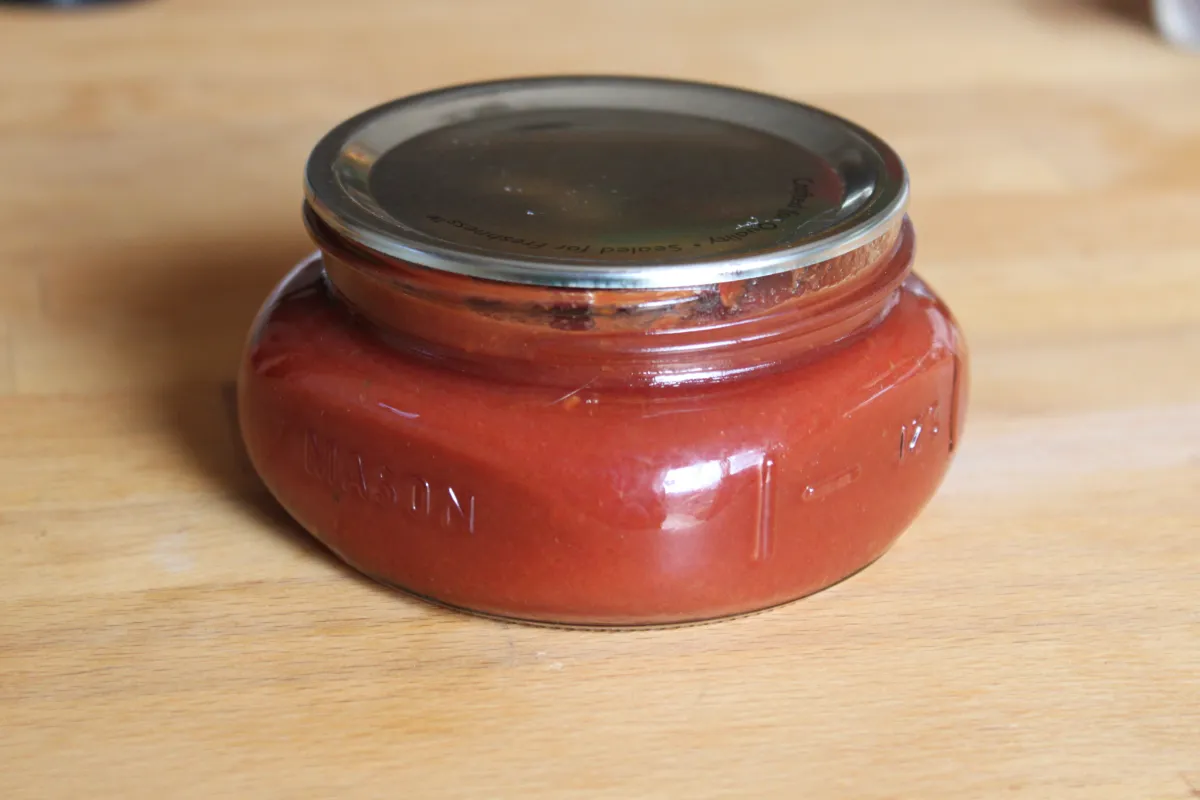
- Catsup for Canning — Preserve your homemade catsup safely with our tested canning recipe and step-by-step guide.
- Curry Catsup — Inspired by German currywurst culture, this spiced catsup is addictively delicious on sausages and fries.
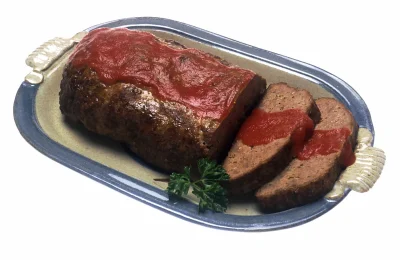
- Catsup Glaze for Meatloaf — A sweet, tangy glaze that transforms ordinary meatloaf into a family favorite.
- Fermented Catsup — A probiotic-rich, traditionally fermented catsup that is as good for your gut as it is for your taste buds.
Frequently Asked Questions About Homemade Catsup
Is catsup the same as ketchup?
Yes. Catsup and ketchup are simply two different spellings of the same condiment. Historically, “catsup” was the more common spelling in the United States, while “ketchup” has become the dominant spelling in modern usage. Both refer to the tomato-based condiment we all know and love. Our catsup recipes work regardless of which spelling you prefer.
How long does homemade catsup last?
Stored in a sealed container in the refrigerator, homemade catsup typically lasts 3 to 4 weeks. The vinegar acts as a natural preservative. For longer storage of 12 months or more, follow our catsup canning guide for proper water-bath canning instructions.
Can I make catsup without sugar?
Absolutely. Our sugar-free catsup recipe uses natural sweeteners like stevia or erythritol to create a keto-friendly version that tastes remarkably close to the original. You can also reduce the sugar in any of our recipes to suit your preferences.
What is the best tomato variety for homemade catsup?
Paste tomatoes like Roma, San Marzano, and Amish Paste are ideal because they have dense flesh, fewer seeds, and lower water content. This means less simmering time and more concentrated tomato flavor. Learn more in our guide to making catsup from fresh tomatoes.
Start Your Catsup-Making Journey Today
Making homemade catsup is one of the most rewarding kitchen projects you can undertake. It is surprisingly simple, endlessly customizable, and produces a condiment that is head and shoulders above anything you can buy at the store. Start with our classic recipe above, then explore the variations that catch your eye. Before long, you will have a signature catsup recipe that friends and family will be begging you to share. Happy cooking!
To make catsup from scratch, simmer crushed tomatoes with diced onion, garlic, apple cider vinegar, brown sugar, and spices like allspice, cloves, and cinnamon for about an hour until thickened. Blend the mixture until smooth, then continue reducing until it reaches your desired consistency. The entire process takes roughly 90 minutes and yields about 3 cups of fresh, flavorful catsup.
Homemade catsup uses fresh, whole ingredients and allows you to control the sugar, salt, and spice levels, resulting in a more complex and nuanced flavor. Store-bought catsup typically contains high-fructose corn syrup, artificial preservatives, and standardized flavoring. Homemade versions also lack the artificial additives, making them a healthier choice for those watching their ingredient intake.
Homemade catsup stored in a sealed container in the refrigerator typically lasts 3 to 4 weeks. The vinegar in the recipe acts as a natural preservative that helps extend shelf life. For longer storage of up to 12 months, you can preserve homemade catsup using a water-bath canning method with properly sterilized jars.
Yes, homemade catsup can be safely preserved through water-bath canning because its high acidity from tomatoes and vinegar makes it suitable for this method. Fill sterilized canning jars with hot catsup, leave appropriate headspace, and process in a boiling water bath for the recommended time. Properly canned catsup can last 12 months or longer when stored in a cool, dark place.