
What is catsup? If you have ever stared at a bottle label and wondered about the catsup meaning, you are not alone. Millions of people search for the catsup definition every year, curious whether it differs from ketchup or carries its own unique story. In this comprehensive guide, we define catsup, trace its fascinating history, and explore everything from its ingredients to its nutritional profile. By the end, you will know exactly what catsup means and why this beloved condiment has earned a permanent place on tables around the world.
Catsup Definition: What Does Catsup Mean?
At its core, the catsup definition is straightforward: catsup is a smooth, tangy condiment made primarily from tomatoes, vinegar, sugar, and spices. It is the same product most people call “ketchup.” The word catsup is simply an older, alternative spelling that was once the dominant form in American English. So when someone asks, “what does catsup mean?” the answer is that it refers to the iconic red sauce you already know and love — just dressed in a different linguistic outfit.
The term likely derives from the Hokkien Chinese word ke-tsiap, which described a fermented fish sauce popular in 17th-century Southeast Asia. As the sauce traveled through the Malay Archipelago and eventually reached British and American kitchens, its name morphed through dozens of spellings — catchup, catsup, ketchup, and more. By the mid-20th century, “ketchup” became the preferred commercial spelling, but “catsup” persisted in many regions of the United States, particularly in the South and parts of the Midwest.
A Brief History of Catsup

Understanding what catsup is requires a look at its remarkable journey across continents and centuries. The earliest ancestors of modern catsup bore almost no resemblance to the tomato-based condiment we enjoy today. In the 1600s, Chinese and Southeast Asian traders produced ke-tsiap, a pungent brine of fermented fish. British sailors brought the concept home, and English cooks began experimenting with mushrooms, walnuts, anchovies, and oysters as base ingredients.
Tomatoes did not enter the recipe until the early 1800s, when American farmers — finally convinced that tomatoes were not poisonous — began blending them into sauces. By 1876, the H.J. Heinz Company bottled its first tomato-based condiment, initially labeling it “Heinz Catsup” before eventually switching to “Heinz Ketchup” in the 1880s. The spelling war was far from over, though. For most of the 20th century, grocery store shelves featured both “catsup” and “ketchup” labels side by side.
Today, the product inside the bottle is identical regardless of spelling. The catsup meaning and the ketchup meaning point to the same delicious condiment — a testament to how language evolves while flavors stay constant.
What Is Catsup Made Of?
Every bottle of catsup starts with a handful of core ingredients: ripe tomatoes (or tomato concentrate), distilled vinegar, high-fructose corn syrup or cane sugar, salt, onion powder, and a proprietary blend of spices that typically includes allspice, clove, and cinnamon. These simple components combine to create the unmistakable sweet-tangy-savory flavor profile that makes catsup one of the most consumed condiments on the planet. For a deep dive into every component, visit our full guide on catsup ingredients.
Catsup Nutrition at a Glance
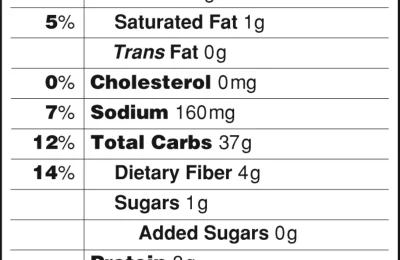
A single tablespoon of catsup contains roughly 20 calories, 5 grams of sugar, and 160 milligrams of sodium. While it does provide a small amount of lycopene — a powerful antioxidant found in tomatoes — the sugar and sodium content can add up quickly if you are generous with your portions. Curious about the complete nutritional breakdown? Check out our detailed page on catsup calories and nutrition facts.
Is Catsup Healthy?
Whether catsup is “good for you” depends on context. In moderation, catsup can be part of a balanced diet, and its lycopene content offers genuine health benefits. However, heavy consumption introduces excess sugar and sodium, which may concern people managing diabetes, heart disease, or hypertension. We break down the pros and cons in our dedicated article: Is catsup healthy?
Is Catsup Gluten Free?
Great news for anyone following a gluten-free diet: most commercial catsup brands, including Heinz, are considered gluten free. The standard ingredients — tomatoes, vinegar, sugar, and spices — do not contain wheat, barley, or rye. That said, cross-contamination risks and specialty formulations mean it is always wise to read the label. Learn more in our complete guide: Is catsup gluten free?
Can Dogs Eat Catsup?
Pet owners often wonder whether it is safe to share catsup with their four-legged friends. While a small lick is unlikely to cause harm, the sugar, sodium, and potential onion or garlic content in catsup make it a poor choice for regular canine consumption. We cover the risks and safer alternatives in our article on catsup and dogs.
Catsup vs. Ketchup: Is There a Difference?
One of the most common questions we encounter is whether catsup and ketchup are different products. The short answer: no. The catsup meaning is identical to the ketchup meaning. Both words describe the same tomato-based condiment. The difference is purely linguistic. “Ketchup” won the commercial branding battle in the late 20th century, largely because Heinz — the market leader — standardized that spelling. But “catsup” remains a perfectly valid and historically rich term.
Some food historians note that in certain periods, “catsup” was associated with thinner, more vinegar-forward formulations, while “ketchup” implied a thicker, sweeter product. However, this distinction was never universal and has largely disappeared in modern usage.
How Catsup Is Used Around the World
While Americans tend to pair catsup with french fries, hot dogs, and hamburgers, the condiment enjoys wildly different roles in other cultures. In the Philippines, banana catsup — made from mashed bananas, sugar, vinegar, and spices — is a staple that predates the tomato version in local cuisine. In parts of Europe, catsup accompanies eggs, sausages, and even pasta. In Japan, it forms the base for many Western-style sauces, including the beloved omurice (omelette rice) topping.
Understanding what catsup is means appreciating not just a condiment, but a global culinary phenomenon that has been adapted, reinvented, and cherished across dozens of food traditions.
Modern Catsup Varieties
The catsup aisle today offers far more than the classic red bottle. Health-conscious consumers can choose from organic catsup, no-sugar-added catsup, and versions sweetened with stevia or monk fruit. Spicy catsup infused with sriracha or jalapeno has surged in popularity, while artisan brands experiment with ingredients like roasted garlic, smoked paprika, and balsamic vinegar. There are even catsup varieties made from alternative bases such as beets, carrots, or sweet potatoes — all carrying the familiar tangy sweetness in a new nutritional package.
Explore the Full Catsup Guide
Now that you can confidently answer the question “what is catsup?“, dive deeper into the topics that matter most to you:
- Catsup Ingredients — A full breakdown of what goes into every bottle.
- Catsup Calories & Nutrition Facts — Detailed macros, vitamins, and minerals.
- Is Catsup Gluten Free? — Everything celiac and gluten-sensitive diners need to know.
- Is Catsup Healthy? — An honest look at the benefits and drawbacks.
- Can Dogs Eat Catsup? — Safety tips for pet owners.
Whether you spell it catsup or ketchup, one thing is certain: this humble condiment has a story as rich and complex as its flavor. Explore our guides above to become a true catsup expert.
Catsup is made from a simple combination of tomato concentrate, distilled vinegar, sugar or high-fructose corn syrup, salt, and a blend of spices that typically includes allspice, clove, and cinnamon. Some brands also add onion powder and garlic powder for extra depth of flavor. The exact proportions vary by manufacturer, but these core ingredients remain consistent across all major brands.
Yes, catsup is simply an alternative spelling of ketchup. Both words refer to the exact same tomato-based condiment and are used interchangeably. The spelling “catsup” was once dominant in the United States but has largely been replaced by “ketchup” due to the influence of major brands like Heinz.
The word catsup derives from the Hokkien Chinese word ke-tsiap, which referred to a fermented fish sauce popular in 17th-century Southeast Asia. British traders encountered this sauce and brought the word back to England, where it was spelled variously as catchup, catsup, and ketchup. Over time, the sauce itself transformed from a fish-based condiment into the tomato-based product we know today.
While the spelling “catsup” has largely disappeared from major brand labels, some regional and specialty brands still use it. Most major manufacturers, including Hunt’s and Del Monte, switched their labels from “catsup” to “ketchup” by the late 1980s. Today you are far more likely to see “ketchup” on store shelves, though the product inside the bottle remains unchanged.