
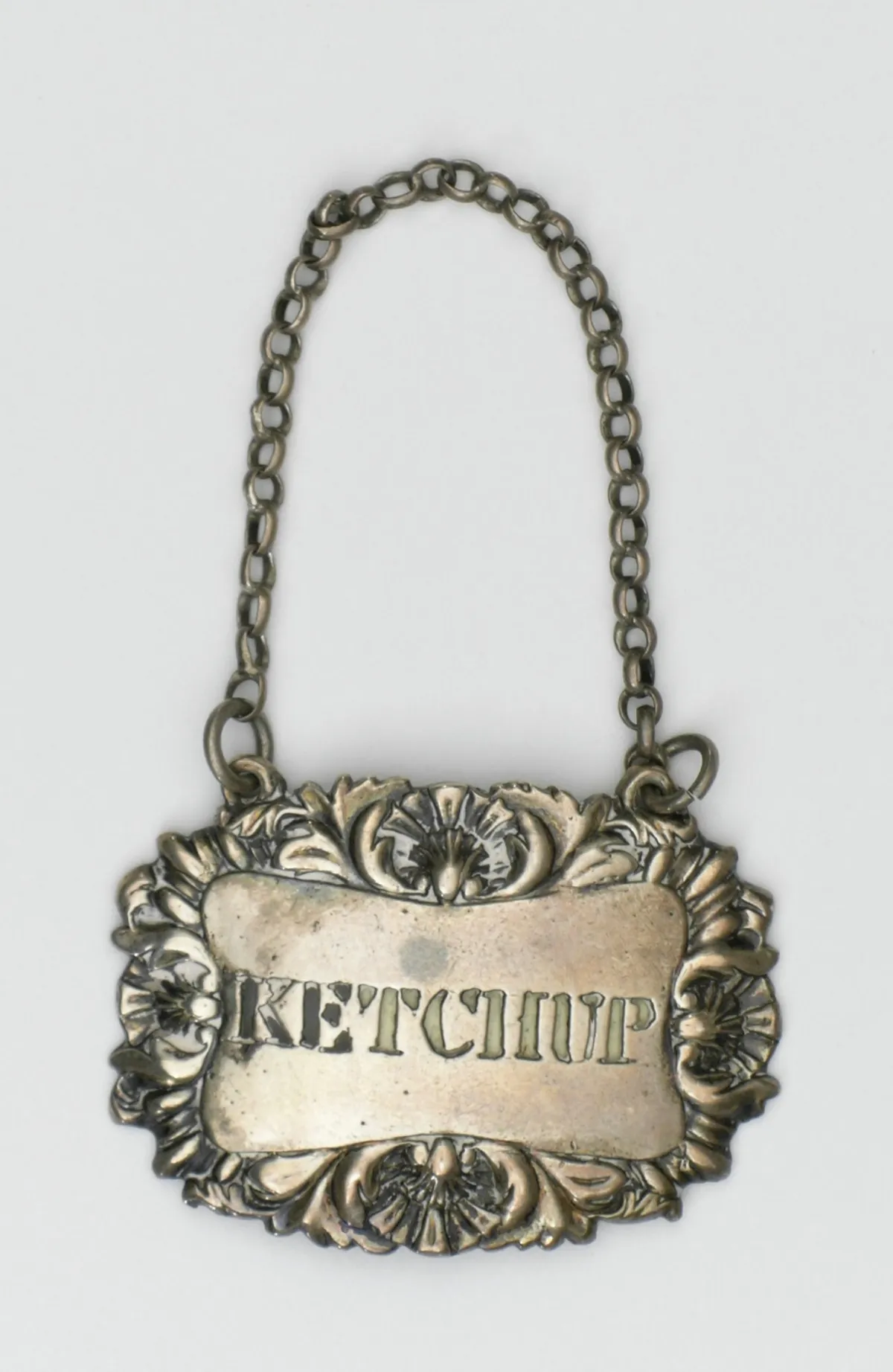
Catsup vs Ketchup Spelling: Why Are There Two Ways to Spell It?
Few condiments have caused as much linguistic confusion as the tomato-based sauce sitting in nearly every American refrigerator. Catsup vs ketchup spelling is one of those delightful English-language quirks that reveals centuries of trade, migration, and evolving orthography. If you have ever asked yourself, “Can you spell ketchup catsup?” or “Why is ketchup spelled catsup on some bottles?” — this page has the answers.
The Southeast Asian Origins
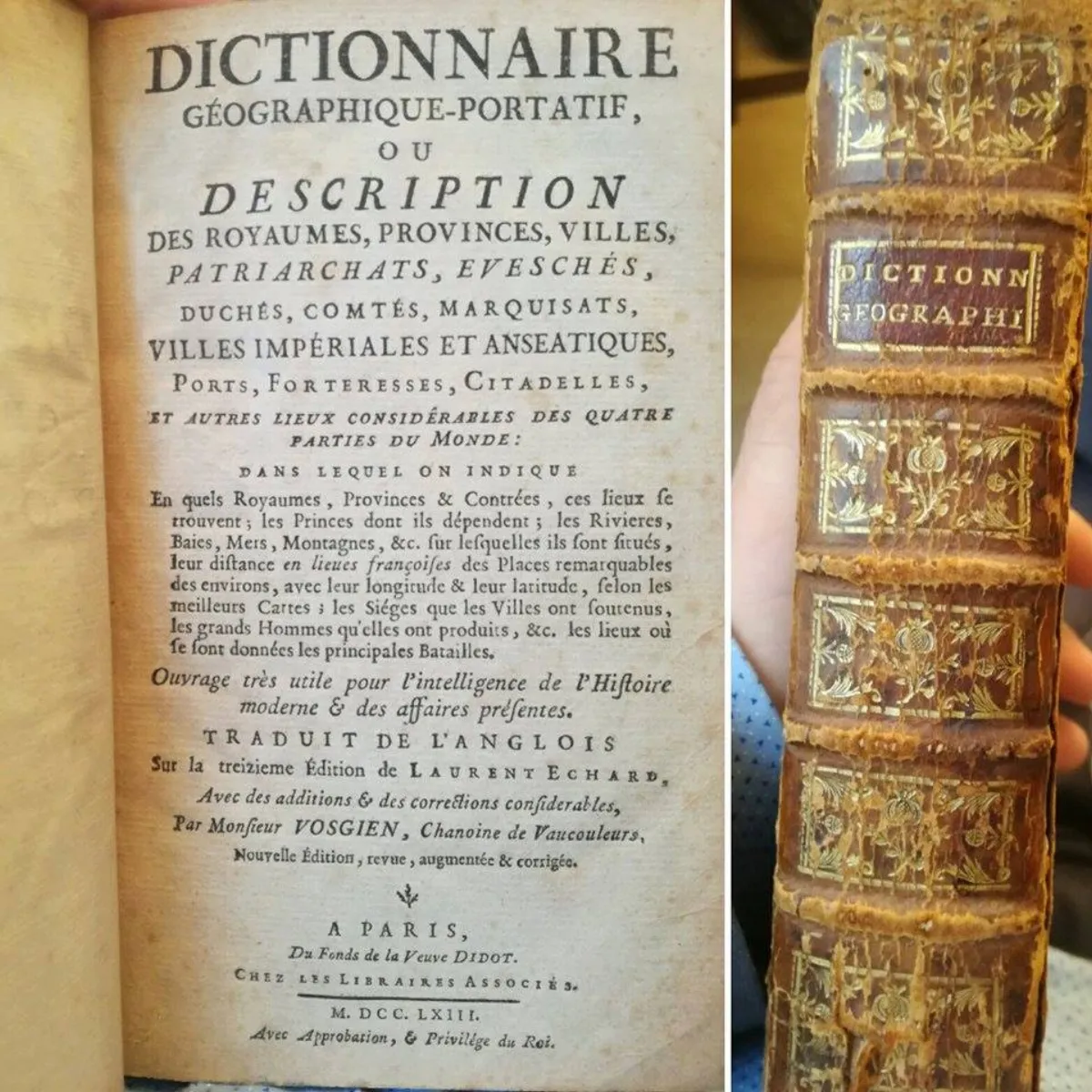
To understand is it catsup or ketchup, we need to travel back to 17th-century China and Southeast Asia. The word most linguists point to is the Hokkien Chinese term ke-tsiap (sometimes romanized as koe-chiap or ke-chiap). This referred to a fermented fish sauce — nothing like the sweet, tomato-red condiment we know today — that was a staple seasoning in the Fujian province and throughout maritime Southeast Asia.
When British and Dutch traders encountered the sauce in ports across Malaysia and Indonesia during the 1600s, they tried to render the unfamiliar word in the Latin alphabet. Because there was no single “correct” transliteration, the word entered English in a dizzying array of forms.
Early English Spellings: A Timeline

Historical records show at least a dozen distinct spellings between 1690 and 1850. Here are some of the most notable appearances in print:
- 1690 — “Catchup”: One of the earliest recorded English spellings, found in a dictionary of trade goods.
- 1711 — “Ketchup”: Appeared in print in a description of East Indian table sauces.
- 1730 — “Catsup”: Jonathan Swift used this spelling, giving it literary credibility.
- 1817 — “Tomato Catsup”: The first known published recipe pairing the word with tomatoes appeared in a Nova Scotia newspaper.
- 1876 — “Heinz Ketchup”: The H. J. Heinz Company settled on “ketchup,” a choice that would eventually standardize American usage.
Throughout the 18th and early 19th centuries, “catsup” and “ketchup” coexisted with roughly equal popularity. Cookbooks, grocery advertisements, and government documents used both interchangeably. Neither was considered more correct than the other.
Why Two Spellings Survived
English has a long history of tolerating variant spellings — think “donut” vs. “doughnut” or “grey” vs. “gray.” Several factors allowed both “catsup” and “ketchup” to persist well into the 20th century:
- No central spelling authority: Unlike French (which has the Academie francaise), English has never had an official body dictating correct spellings. Dictionaries documented usage rather than mandating it.
- Regional printing traditions: Newspapers and publishers in different parts of the country adopted whichever spelling their editors preferred, and those preferences calcified over generations.
- Brand competition: When rival companies chose different spellings for their labels, both versions remained visible to consumers. Heinz used “ketchup”; Hunt’s and Del Monte used “catsup.”
- Dictionary ambivalence: Merriam-Webster listed “catsup” as a primary entry for decades, lending it institutional legitimacy even as “ketchup” gained market share.
The Heinz Effect: How Branding Chose the Winner
The single biggest reason “ketchup” is the dominant spelling today is branding. When H. J. Heinz launched his tomato condiment in the 1870s, the company initially used “catsup” on some early labels. By 1876, however, Heinz had switched to “Ketchup” — reportedly because the K-spelling looked more distinctive and was easier to trademark.
As Heinz grew to control more than half of the American market, its spelling became the default. Grocery stores organized shelves under “ketchup.” Recipe columns in major newspapers switched. Even the U.S. government began favoring “ketchup” in official standards (though the FDA still recognizes both).
Hunt’s, Heinz’s biggest rival, resisted for decades, printing “catsup” on every bottle. But in 1988, Hunt’s finally capitulated and switched to “ketchup.” Del Monte followed the same year. With the last major holdouts gone, “catsup” receded from mainstream commercial use.
What the Dictionaries Say Today
Modern dictionaries treat “ketchup” as the primary spelling and “catsup” as an accepted variant:
- Merriam-Webster: Lists “ketchup” as the main entry; “catsup” redirects to it. (Merriam-Webster once listed “catsup” first, but updated the entry in the early 2000s.)
- Oxford English Dictionary: Covers both spellings with extensive historical citations, noting “ketchup” as the more common modern form.
- American Heritage Dictionary: Primary entry is “ketchup,” with “catsup” and “catchup” listed as variants.
None of these dictionaries call “catsup” incorrect. It is simply less common.
Is It Catsup or Ketchup? The Bottom Line
Is it catsup or ketchup? Both are correct. “Ketchup” is the statistically dominant spelling worldwide, and it is the form you will find on almost every bottle in the grocery store today. “Catsup,” however, is neither wrong nor archaic — it is simply a less common variant with an equally legitimate etymological pedigree.
If you grew up saying and writing “catsup,” you can continue to do so with full confidence. Language belongs to its speakers, and both spellings have centuries of documented use behind them.
Keep Exploring the Catsup vs Ketchup Debate
Spelling is only one piece of the puzzle. To see how the two words play out across the country, check out our catsup vs ketchup regional map. Wondering if the products actually taste different? Read our catsup vs ketchup taste and ingredients comparison. And for a guide to saying the word out loud, visit our catsup pronunciation page. Or head back to the main catsup vs ketchup pillar page for the full overview.