
When most people think of catsup, they picture the familiar red condiment that graces tables across America. But the world of types of catsup extends far beyond the standard tomato-based variety you grew up with. From gourmet fancy catsup made with premium ingredients to bold Mexican catsup bursting with chili heat, and even playful colored catsup in shades of purple and green, the catsup sauce family is surprisingly diverse. In this guide, we explore the different types of catsup available today, their origins, and how to use each one to elevate your cooking.
A Brief History of Catsup Sauce
The story of catsup begins not with tomatoes but with fermented fish. The earliest known catsup sauce originated in 17th-century China and Southeast Asia, where a fermented fish brine called “ke-tsiap” was used as a savory condiment. British traders brought this sauce back to Europe, where cooks began experimenting with local ingredients. Mushroom catsup, walnut catsup, and anchovy catsup were all popular in 18th-century England long before anyone thought to add tomatoes. It was not until the early 1800s that American cooks began making tomato-based catsup, and by the late 19th century, this version had become the dominant variety we know today.
Classic Tomato Catsup

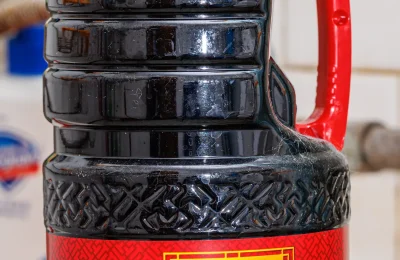
The standard bearer of the catsup world, classic tomato catsup is a smooth, sweet, and tangy sauce made from tomato concentrate, vinegar, sugar, salt, and spices. It is the most widely consumed condiment in the United States, with Americans purchasing over 300 million bottles annually. The flavor profile balances sweetness and acidity, making it a versatile companion for everything from burgers and hot dogs to meatloaf and scrambled eggs. Major brands like Heinz, Hunts, and French have refined their recipes over decades, but the basic formula remains remarkably consistent. If you are curious about how to store your classic catsup properly, our catsup storage guide has everything you need to know.
Different Types of Catsup Around the World
While American-style tomato catsup dominates globally, many cultures have developed their own distinctive types of catsup that reflect local tastes and ingredient availability. These regional variations offer exciting alternatives for adventurous palates.
Salsa Catsup and Mexican Varieties
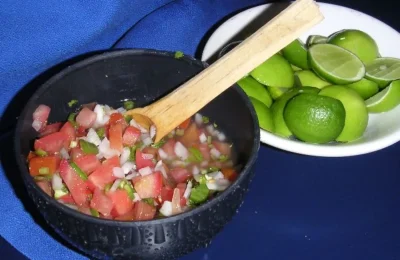
Salsa catsup represents one of the most exciting categories of catsup available today. In Mexico, catsup takes on a distinctly different character, incorporating chili peppers, lime, and bold spices that transform the familiar condiment into something entirely new. Salsa catsup blends the smooth consistency of traditional catsup with the vibrant heat and complexity of Mexican salsa, creating a condiment that works beautifully with tacos, grilled meats, and street food. Learn more about this fiery variety in our dedicated Mexican catsup guide.
Banana Catsup (Philippines)
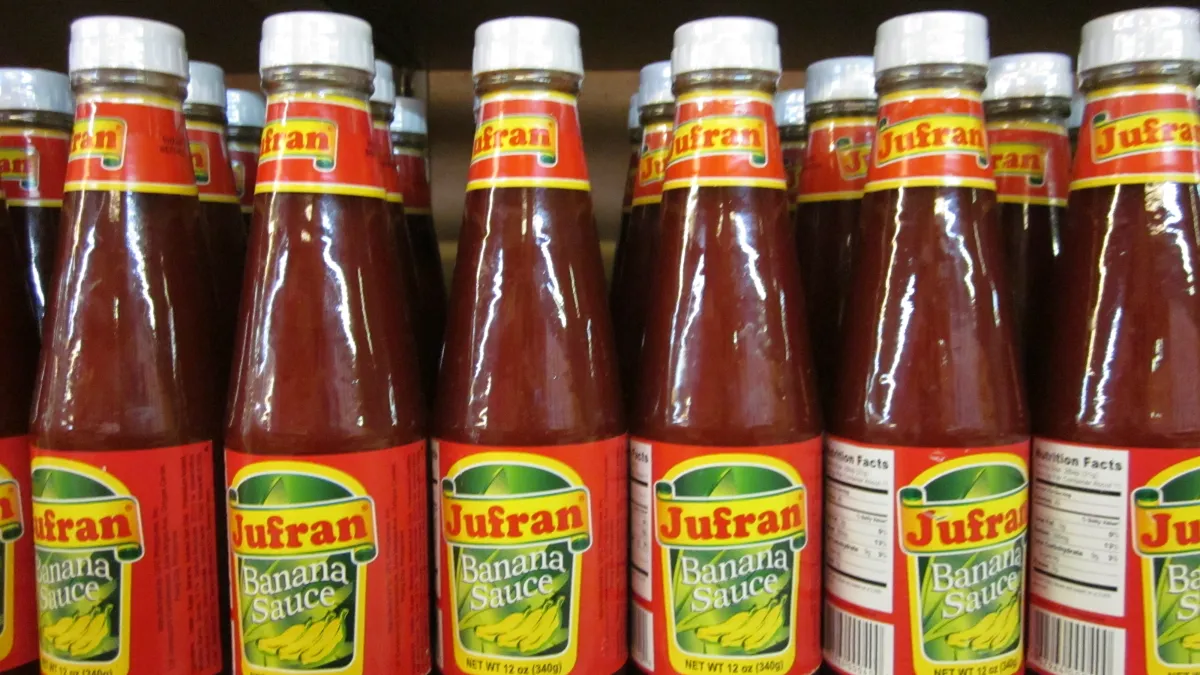
In the Philippines, banana catsup is a staple condiment born from necessity during World War II when tomatoes were scarce. Made from mashed bananas, vinegar, sugar, and spices, this catsup sauce has a slightly sweeter and fruitier flavor than its tomato-based counterpart. It is typically dyed red to resemble traditional catsup and is an essential accompaniment to Filipino dishes like chicken barbecue, pork skewers, and fried spring rolls. Banana catsup has a unique depth that surprises first-time tasters and has gained a devoted following far beyond the Philippines.
Curry Catsup (Germany)
Germany contributes curry catsup to the global family of different types of catsup. This spiced variation blends standard tomato catsup with curry powder and other warm spices, creating the essential sauce for currywurst, one of Germany’s most popular street foods. Curry catsup ranges from mildly spiced to fiery hot, and premium versions incorporate turmeric, cumin, coriander, and sometimes mango chutney for added complexity. It has become so popular that it is now exported worldwide and can be found in specialty food stores across North America and Europe.
Mushroom Catsup (United Kingdom)
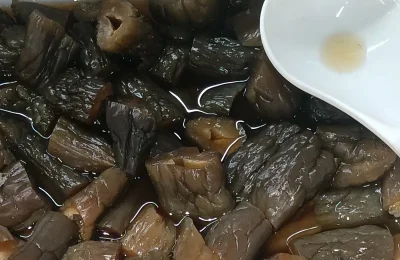
Before tomato catsup existed, mushroom catsup was the original. This dark, intensely savory sauce is made by salting and fermenting mushrooms until they release their liquid, which is then spiced with allspice, ginger, and black pepper. Mushroom catsup has experienced a revival among chefs who appreciate its umami-rich depth and its ability to enhance stews, gravies, and roasted meats. It is one of the most ancient types of catsup still in production and connects modern diners to centuries of culinary tradition.
Specialty and Gourmet Catsup
The craft food movement has transformed the catsup market, giving rise to an exciting array of gourmet and specialty options. Fancy catsup varieties use premium ingredients like San Marzano tomatoes, aged balsamic vinegar, smoked paprika, and organic cane sugar to create elevated versions of the classic condiment. Some artisanal producers have introduced exotic flavors such as truffle catsup, sriracha catsup, and bourbon-infused catsup that cater to food enthusiasts seeking something beyond the ordinary.
Colored and Novelty Catsup
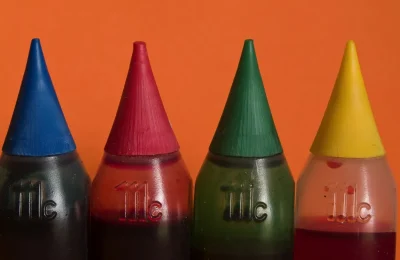
Not all different types of catsup are defined by flavor. Some make their mark through appearance. Colored catsup in shades of green, purple, blue, and teal captured national attention when Heinz launched its EZ Squirt line in the early 2000s. While the original colored catsup products have been discontinued, the concept lives on through specialty producers and homemade recipes that use natural colorings from ingredients like beet juice, spirulina, and butterfly pea flower. These eye-catching condiments are especially popular with children and at themed parties.
Choosing the Right Catsup Sauce for Your Meal
With so many types of catsup available, selecting the right one can enhance your dining experience significantly. Classic tomato catsup remains the best all-purpose choice for everyday meals. For grilled meats and Mexican-inspired dishes, salsa catsup adds a welcome kick. Fancy and gourmet varieties shine when paired with upscale burgers, artisanal sausages, or charcuterie boards. Banana catsup is worth trying with any fried food, and curry catsup is a must for bratwurst lovers.
Do not be afraid to experiment with different varieties. You might discover a new favorite that changes how you think about this humble condiment forever. For tips on keeping all your catsup varieties fresh, visit our catsup storage guide, and if you ever run out, check out our handy catsup substitute page for quick alternatives.