
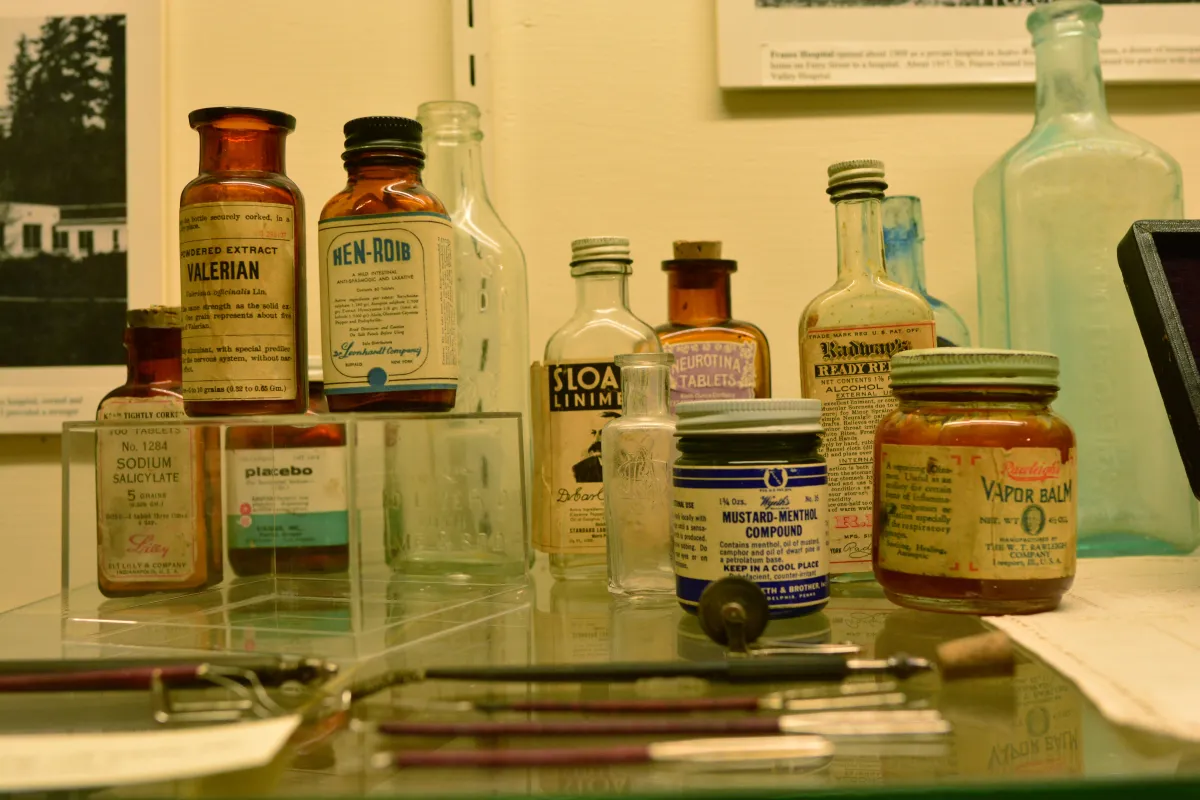
It sounds like a myth, but it is historical fact: catsup was once sold as medicine in the United States. In the 1830s, decades before ketchup became a staple condiment on American dinner tables, tomato extract was marketed as a cure for a wide range of ailments. The story of catsup as medicine is one of the strangest chapters in both culinary and medical history, blending 19th-century quackery with genuine nutritional insight in ways that still surprise historians today.
The Tomato’s Troubled Reputation
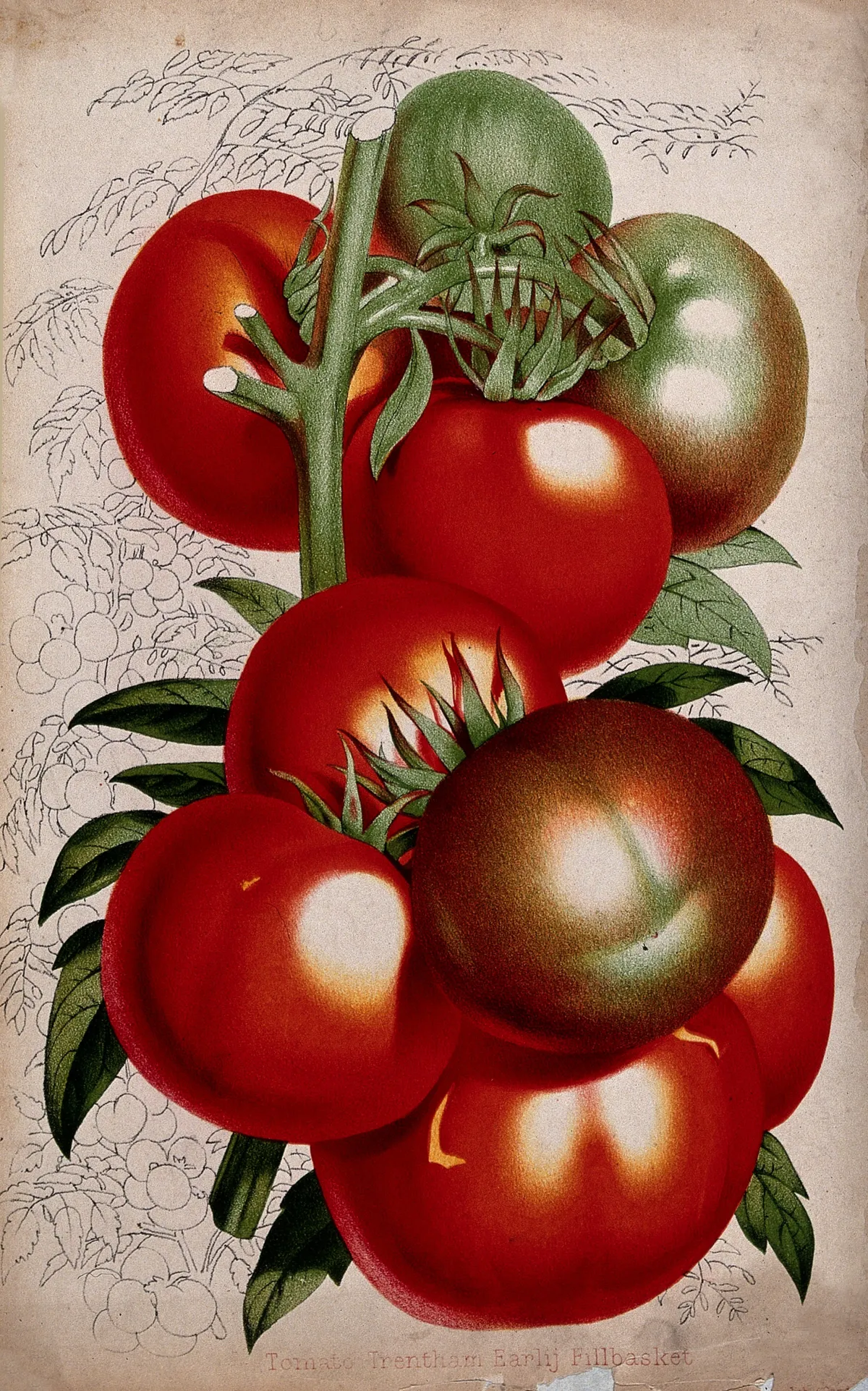
To understand how catsup became medicine, you first need to understand the tomato’s rocky path to acceptance in Europe and America. Tomatoes are native to the Americas and were cultivated by indigenous peoples in Mexico and Central America long before European contact. When Spanish explorers brought tomatoes back to Europe in the 16th century, the fruit was met with suspicion and outright fear.
The tomato belongs to the Solanaceae family — the nightshades — which includes deadly plants like belladonna and mandrake. Europeans noticed the family resemblance and assumed the tomato was poisonous. This belief was reinforced by a practical coincidence: wealthy Europeans ate from pewter plates that contained high levels of lead. The acidity of tomatoes leached lead from the plates, causing lead poisoning in those who ate them. The tomato, not the plates, got the blame.
By the late 1700s and early 1800s, attitudes were slowly shifting. Tomatoes had become a common food in southern Europe, and American farmers were beginning to grow them. But the old fears lingered, creating a curious situation: the tomato was simultaneously feared as a poison and celebrated as a potential miracle food. It was in this environment that the idea of catsup as medicine took root.
Dr. John Cook Bennett and the Tomato Cure
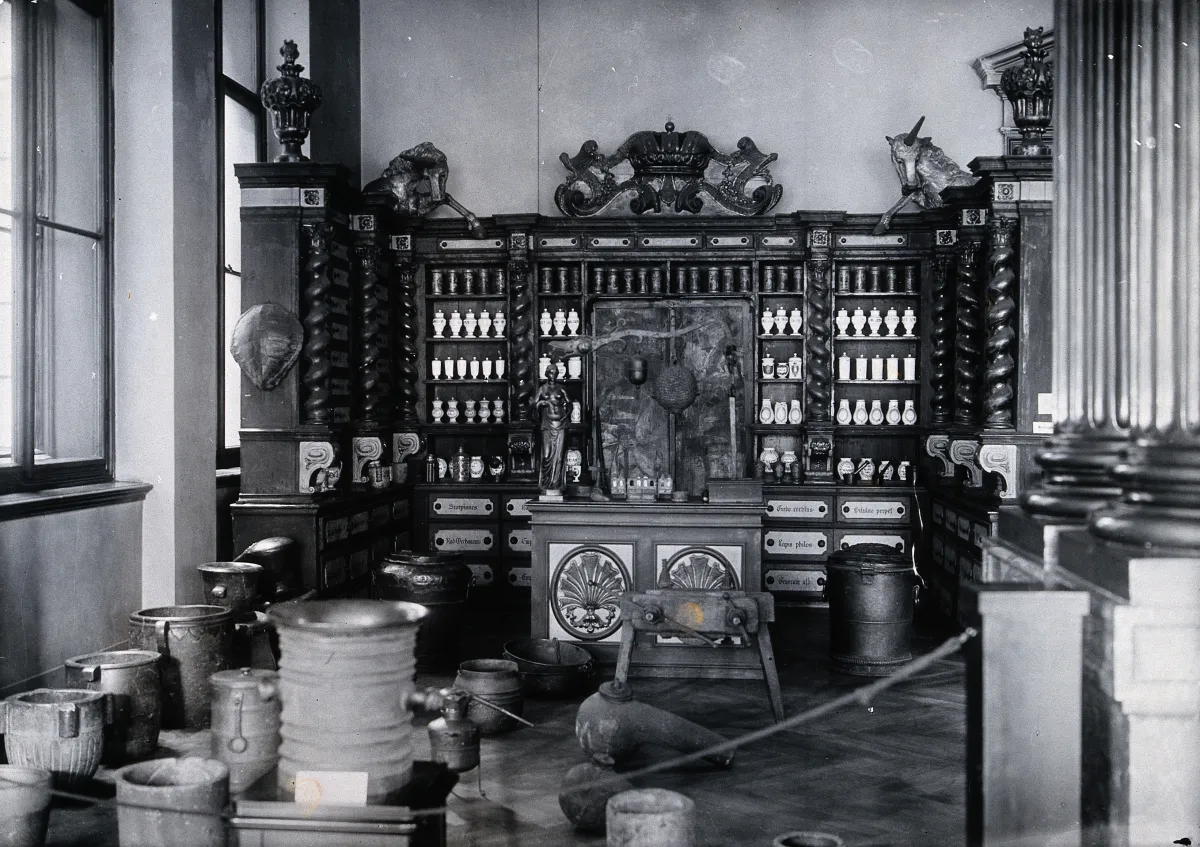
The central figure in the story of was catsup medicine is Dr. John Cook Bennett, an Ohio physician with a flair for self-promotion. In the early 1830s, Bennett began publicly championing the tomato as a powerful therapeutic agent. He claimed that tomatoes could treat diarrhea, indigestion, liver ailments, and a host of other conditions. He published articles in newspapers and medical journals, gave public lectures, and tirelessly promoted the tomato as nature’s pharmacy.
Bennett’s claims were not entirely baseless. Tomatoes are, in fact, rich in vitamins A and C, potassium, and lycopene — a powerful antioxidant that modern research has linked to reduced risk of certain cancers and cardiovascular disease. In an era when vitamin deficiencies were common and poorly understood, adding tomatoes to the diet likely did produce noticeable health improvements for some people. Bennett, however, went far beyond what the evidence supported, attributing near-miraculous curative powers to the fruit.
Bennett’s advocacy had a concrete commercial outcome. By the mid-1830s, entrepreneurs had begun producing concentrated tomato extract in pill form, marketing it explicitly as medicine. These “tomato pills” were sold in pharmacies and through mail-order catalogs, promising relief from everything from jaundice to rheumatism. The connection between these tomato extract pills and the tomato-based condiment that was simultaneously gaining popularity in American kitchens was direct — both were concentrated tomato products, and the line between food and medicine was blurry at best.
Tomato Pills: The First Catsup Medicine Craze
The tomato pill craze of the 1830s and 1840s represents the peak of the catsup as medicine phenomenon. Multiple companies entered the market, each claiming their tomato extract was the purest and most effective. Advertisements appeared in newspapers across the country, touting tomato pills as a safe, natural alternative to the harsh mineral-based medicines — like mercury and arsenic compounds — that dominated 19th-century medical practice.
The irony is rich: compared to many mainstream medical treatments of the era, tomato pills were indeed relatively harmless. Taking a concentrated tomato extract was certainly less dangerous than ingesting mercury or being bled with leeches. In that sense, the tomato medicine craze was less about the tomato being a wonder drug and more about everything else in the medical cabinet being genuinely terrible.
The craze did not last. By the late 1840s, the market for tomato pills had collapsed. Several factors contributed to the decline. First, the sheer number of competing products — many of dubious quality — eroded consumer trust. Investigations revealed that some “tomato pills” contained little or no actual tomato. Second, the medical establishment, such as it was, grew increasingly skeptical of Bennett’s grandiose claims. Third, and perhaps most importantly, the tomato itself had by this point been widely accepted as a food rather than a medicine. Once people were eating tomatoes regularly in their meals, the appeal of taking them in pill form diminished.
The Connection Between Catsup and Medicine
So was catsup once sold as medicine? The answer is nuanced. The tomato pills of the 1830s were not labeled “catsup” — they were marketed as tomato extract or tomato compound. However, the connection between these medicinal products and the emerging tomato catsup condiment was unmistakable. Both were concentrated tomato products. Both emerged during the same period of American history. And the health claims made for tomato pills helped popularize the tomato itself, which in turn fueled the growth of tomato catsup as a commercial food product.
Some historians argue that the medicinal marketing of tomatoes in the 1830s directly contributed to the rise of tomato catsup by overcoming the lingering fear of tomatoes as poisonous. If tomatoes were medicine — if they could heal you — then surely they were safe to eat. In this reading, the catsup as medicine story is not just a quirky footnote; it is a pivotal chapter in the broader history of catsup, helping to transform the tomato from a feared novelty into an American staple.
Catsup and Health Claims in Later Decades
The medicinal associations of tomato products did not end entirely with the collapse of the tomato pill market. Throughout the late 19th and early 20th centuries, food manufacturers occasionally invoked health benefits in their catsup advertising, though with increasing subtlety as food regulation tightened. Henry J. Heinz, one of the key figures in catsup’s commercial history, built his brand partly on purity claims — his ketchup was free of the artificial preservatives and adulterants that plagued competitors’ products. While this was not a medical claim per se, it positioned Heinz ketchup as the healthier choice.
In the modern era, health discussions around ketchup have shifted entirely. The primary nutritional concern today is sugar content — a standard serving of commercial ketchup contains about four grams of sugar. At the same time, research into lycopene has renewed interest in the health benefits of cooked and concentrated tomato products. Studies published in peer-reviewed journals have found associations between high lycopene intake and reduced risk of prostate cancer, cardiovascular disease, and sun damage to the skin.
This modern research creates an interesting echo of Dr. Bennett’s 1830s claims. While his specific assertions were overblown and his methods questionable, the broad idea that concentrated tomato products could have health benefits has, in a limited sense, been validated by contemporary science. The story of was catsup medicine thus has a satisfying — if complicated — resolution: it was never the miracle cure its promoters claimed, but it was never the quackery its critics assumed, either.
What the Catsup Medicine Story Tells Us
The episode of catsup as medicine offers a window into 19th-century America — a time when the boundaries between food and medicine, science and salesmanship, were far less defined than they are today. It reminds us that the foods we take for granted often have complicated histories, shaped by fear, hope, commerce, and the slow accumulation of scientific knowledge.
For the full story of how an ancient Asian fish sauce became the tomato condiment in your refrigerator, visit our pillar guide on the history of catsup. And to learn about the entrepreneurs and inventors who shaped the commercial catsup industry, explore our page on who invented catsup.