

If you have ever wondered how to make catsup from fresh tomatoes, you are about to discover one of the most rewarding kitchen projects of the summer season. Nothing compares to the bright, vibrant flavor of catsup made with ripe tomatoes picked at their peak. This recipe transforms about five pounds of fresh tomatoes into approximately four cups of rich, deeply flavored catsup that captures the essence of summer in every bottle.
Choosing the Best Tomatoes for Homemade Catsup
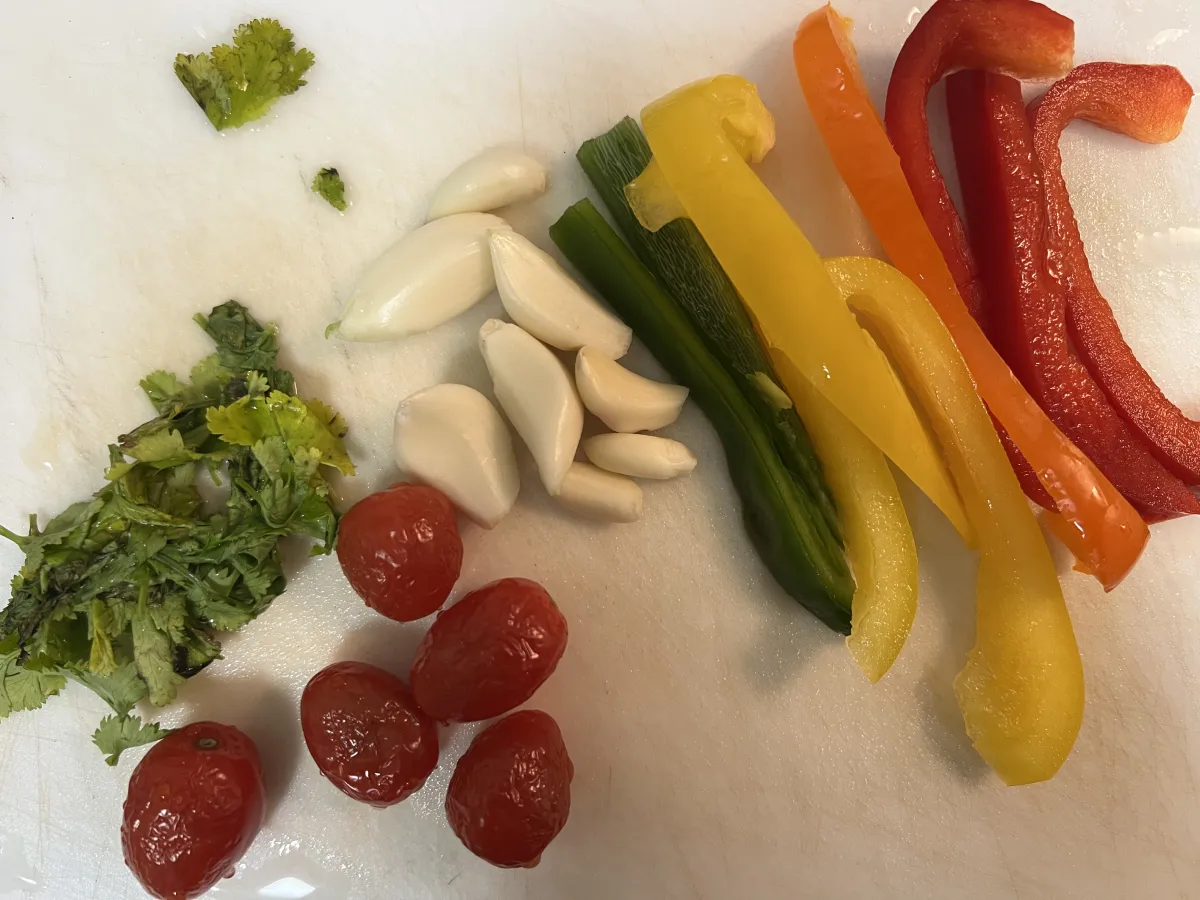
The variety of tomato you choose will dramatically impact your final product. Not all tomatoes are created equal when it comes to making catsup. Here is what to look for:
- Roma (plum) tomatoes: The most popular choice for catsup. They have thick walls, dense flesh, fewer seeds, and relatively low water content, which means less simmering time.
- San Marzano: If you can grow or find fresh San Marzanos, they produce an exceptionally sweet and full-bodied catsup. They are considered the gold standard for Italian sauces and work beautifully here.
- Amish Paste: An heirloom variety prized by home canners for its meaty texture and rich flavor. Excellent for catsup.
- Beefsteak or slicing tomatoes: These work but contain more water and seeds. You will need to simmer longer and may want to strain more carefully. Use them if that is what your garden produces, but expect a longer cook time.
Regardless of variety, always choose tomatoes that are fully ripe, fragrant, and free from blemishes. The riper the tomato, the sweeter and more flavorful your catsup will be.
Fresh Tomato Catsup Recipe
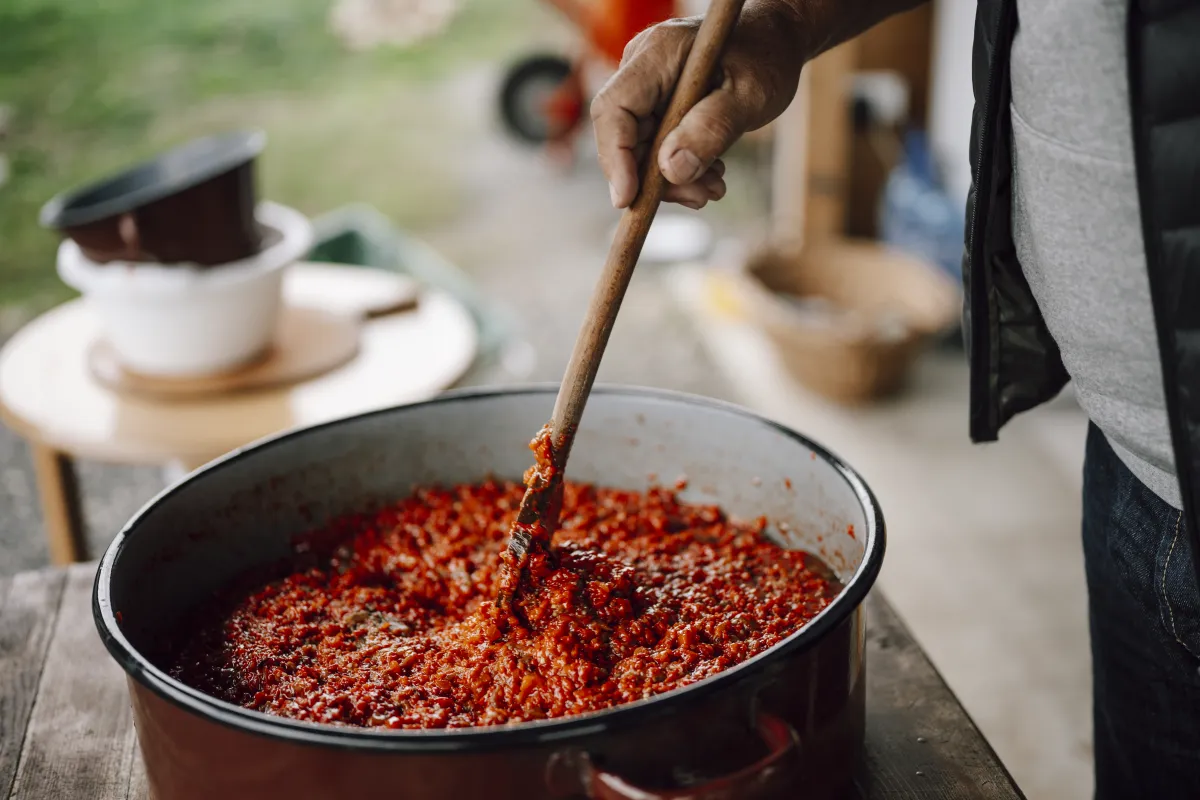
Ingredients
- 5 pounds ripe paste tomatoes (Roma or San Marzano preferred)
- 1 large yellow onion, roughly chopped
- 3 cloves garlic, smashed
- ¾ cup apple cider vinegar
- ½ cup brown sugar
- 1½ teaspoons sea salt
- ½ teaspoon black pepper
- ½ teaspoon ground allspice
- ¼ teaspoon ground cloves
- ¼ teaspoon ground cinnamon
- ¼ teaspoon ground celery seed
- ⅛ teaspoon cayenne pepper
- 1 tablespoon olive oil
- 1 small bay leaf
Step-by-Step Instructions
- Prepare the tomatoes. Wash all tomatoes thoroughly. Cut out the cores and any blemished spots. Cut each tomato in half. You do not need to peel or seed them at this stage — that will be handled later during straining.
- Roast for concentrated flavor (optional but recommended). Place the halved tomatoes cut-side down on lined baking sheets. Roast at 400°F for 25 to 30 minutes until they are softened, slightly charred on the edges, and the skins have started to pull away. Roasting intensifies the tomato flavor and reduces the simmering time needed later. If you prefer, you can skip this step and proceed directly to simmering.
- Sauté the aromatics. In a large heavy-bottomed pot, heat the olive oil over medium heat. Add the chopped onion and cook for 5 to 7 minutes until soft and translucent. Add the smashed garlic and cook for 30 seconds more.
- Add the tomatoes. Transfer the roasted (or raw) tomatoes to the pot with the onions and garlic. If roasted, include any juices from the baking sheet. Add the bay leaf and stir to combine.
- Simmer and break down. Bring to a boil, then reduce heat to medium-low. Simmer uncovered for 30 to 40 minutes, stirring occasionally and crushing the tomatoes with a wooden spoon as they soften. The mixture should be thick and pulpy.
- Remove the bay leaf and blend. Discard the bay leaf. Use an immersion blender to puree the mixture until as smooth as possible.
- Strain for smoothness. Pass the blended mixture through a fine-mesh strainer or food mill, pressing firmly to extract all the liquid and pulp. Discard the skins, seeds, and any remaining solids. This step is essential when working with fresh tomatoes to achieve that classic smooth catsup texture.
- Season and reduce. Return the strained liquid to the pot. Add the vinegar, brown sugar, salt, pepper, allspice, cloves, cinnamon, celery seed, and cayenne. Bring to a gentle simmer over medium-low heat and cook, stirring frequently, for 45 minutes to 1 hour until the catsup has reduced by approximately half and coats the back of a spoon.
- Final taste adjustment. Taste and adjust the balance of sweet, sour, salty, and spicy. The catsup should be well-rounded with no single element dominating.
- Cool, bottle, and store. Remove from heat and let cool completely. Transfer to clean jars or squeeze bottles. Refrigerate for up to 4 weeks, or proceed to can the catsup for long-term pantry storage.
Yield: Approximately 3 to 4 cups depending on tomato variety and how much you reduce.
The Roasting Method vs. Raw Simmering
When learning how to make catsup from fresh tomatoes, you have two paths for that initial cooking stage. Roasting the tomatoes first adds a slightly caramelized, deeper flavor and evaporates some of the water content, shortening your overall cook time. Raw simmering produces a brighter, more traditional flavor. Both methods yield excellent catsup — try both and see which you prefer.
Tips for Success
- Stir frequently during the final reduction. As the catsup thickens, it becomes more prone to scorching on the bottom of the pot. Stay nearby and stir every few minutes during the last 20 minutes of cooking.
- Use a splatter guard. Thick, bubbling catsup can spit and splatter. A splatter guard protects your stovetop and your skin.
- Make a big batch. If you have an abundance of garden tomatoes, double or triple this recipe. It takes nearly the same effort to make four cups as it does to make twelve, and freshly canned catsup makes wonderful holiday gifts.
- Consider a food mill. A food mill with a fine disc is the traditional tool for straining catsup and is much more efficient than a standard mesh strainer. It separates seeds and skins effortlessly while producing a beautifully smooth puree.
Preserving Fresh Tomato Catsup
Fresh tomato catsup is an ideal candidate for home canning. The combination of acidity from the vinegar and the natural acidity of tomatoes makes it safe for water-bath canning when done correctly. Visit our complete homemade catsup for canning guide for tested processing times and safety tips. If canning is not your thing, this catsup also freezes beautifully for up to 6 months.
Frequently Asked Questions
How many tomatoes do I need for one batch of catsup?
Plan on roughly 5 pounds of paste tomatoes to yield 3 to 4 cups of finished catsup. Juicier varieties like beefsteak may require up to 7 pounds for the same yield since more liquid needs to be cooked off.
Can I use a mix of tomato varieties?
Absolutely. Mixing varieties can create a more complex flavor profile. A blend of Roma for body, a few Cherokee Purples for sweetness, and some Brandywines for depth makes a phenomenal catsup.
What if I do not have fresh tomatoes on hand?
No problem. Our catsup from tomato paste recipe gives you a quick alternative using pantry staples, or check the classic homemade catsup recipe that uses canned whole tomatoes for a middle ground between fresh and paste.
Explore all of our catsup recipes for more creative ways to enjoy this timeless condiment.