
Del Monte Catsup: A Sweet, Mild Condiment with Global Appeal
Del Monte catsup is one of the most recognized names in the condiment world, with a presence that stretches across continents. While it may not dominate the American market the way Heinz does, catsup Del Monte has carved out a significant niche — particularly in international markets where it is often the number-one seller. Known for its sweeter, milder flavor profile, Del Monte tomato catsup appeals to consumers who prefer a gentler condiment that enhances food without overwhelming it. In this complete guide, we explore the brand’s history, analyze its ingredients, break down its taste profile, and help you decide whether Del Monte deserves a place in your pantry alongside the other top catsup brands.
Del Monte Catsup History and Background

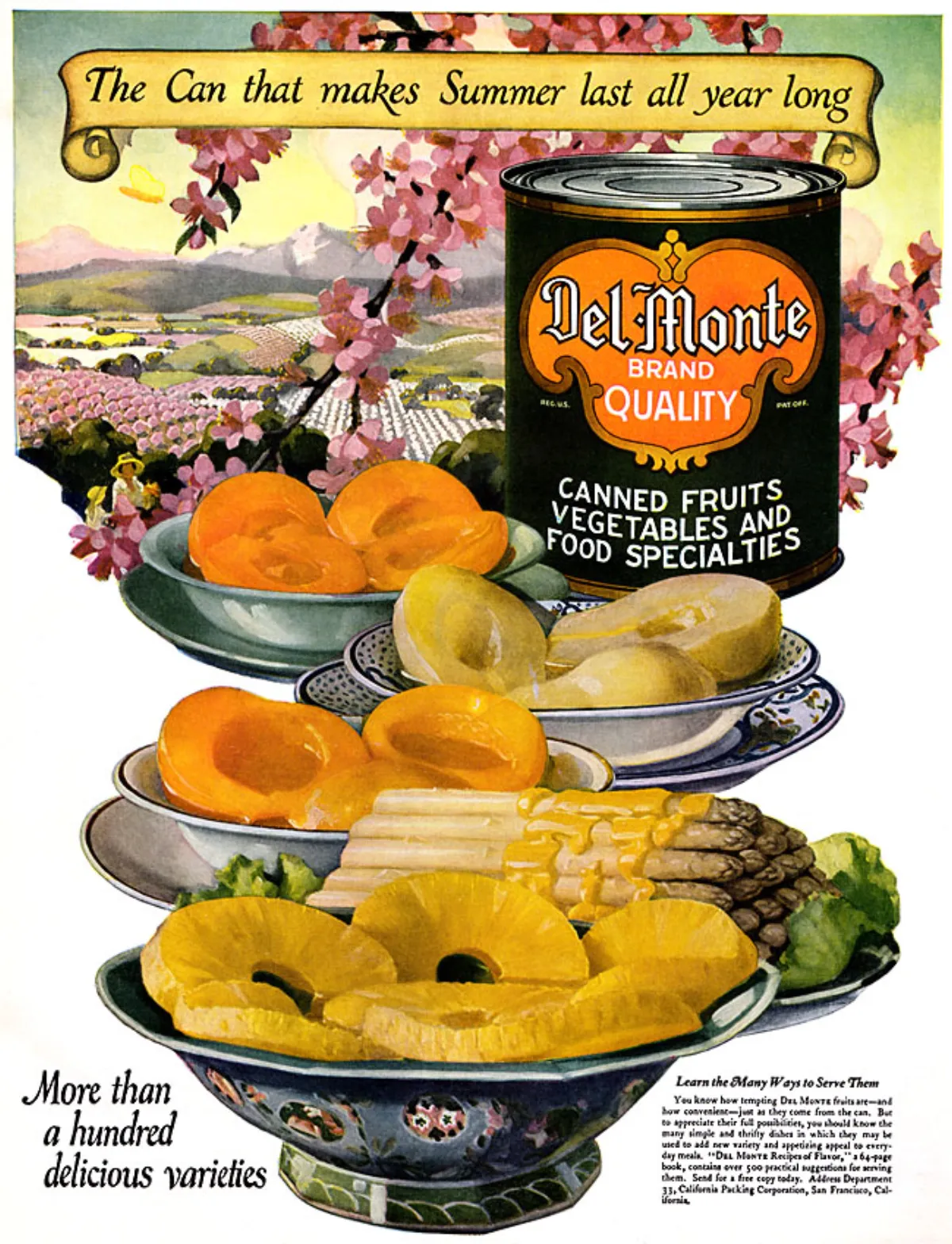
The Del Monte brand traces its origins back to 1886, when the Oakland Preserving Company in Oakland, California, began canning fruits and vegetables under the “Del Monte” label — a name that evoked the quality and beauty of the Monterey Peninsula. The brand grew rapidly through the early 20th century, becoming one of the largest canned food producers in the world.
Del Monte catsup became a natural extension of the company’s tomato processing capabilities. With access to California’s abundant tomato harvests, Del Monte was well-positioned to produce high-quality tomato products including catsup, tomato sauce, and canned tomatoes. The brand’s catsup quickly earned a reputation for consistent quality and a flavor profile that was distinctly sweeter and less vinegary than competitors.
Today, the Del Monte brand operates through multiple entities. Del Monte Foods in the United States focuses primarily on canned fruits, vegetables, and tomato products. Del Monte Pacific, headquartered in Singapore, handles the brand’s operations in Asia and other international markets. This split has resulted in interesting regional variations in the Del Monte tomato catsup recipe, with the Philippine and Asian versions often being noticeably sweeter and sometimes incorporating banana as an ingredient — a localization that has proven enormously popular in those markets.
Del Monte Catsup Ingredients Analysis
The American version of Del Monte catsup features the following ingredients:
- Tomato concentrate (water, tomato paste)
- High fructose corn syrup
- Distilled vinegar
- Corn syrup
- Salt
- Less than 2% of: onion powder, spice, natural flavoring
The ingredient profile is very similar to classic Heinz catsup, with both relying on high fructose corn syrup as the primary sweetener. This means that consumers looking for catsup without high fructose corn syrup will need to look elsewhere — perhaps to Hunt’s or specialty brands.
Nutritionally, Del Monte tomato catsup contains approximately 20 calories per tablespoon, with 4 grams of sugar and 160 milligrams of sodium. These numbers are in line with most mainstream catsup brands, making it neither better nor worse from a strict nutritional standpoint.
Del Monte Catsup Taste Profile
Where catsup Del Monte truly differentiates itself is in flavor. Side-by-side comparisons with other major brands reveal a distinctly sweeter, milder taste. The tomato flavor is present but rounded and gentle, without the sharpness or tanginess that characterizes brands like Brooks. The vinegar notes are subdued, serving more as a background element than a defining characteristic.
This sweetness makes Del Monte catsup particularly well-suited for certain applications:
- Cooking ingredient: The mild, sweet flavor blends seamlessly into sauces, glazes, meatloaf, and baked beans without introducing overpowering acidity.
- Kid-friendly option: Children who find tangier catsups too strong often prefer Del Monte’s gentler flavor.
- Asian-inspired dishes: The sweetness complements stir-fries, sweet and sour sauces, and Filipino-style spaghetti, which traditionally calls for a sweeter sauce.
The texture is smooth and moderately thick, pouring easily from a squeeze bottle and clinging to food adequately. It is not quite as thick as Heinz, which may be a positive or negative depending on your preference.
Del Monte Catsup Key Products
In the American market, Del Monte keeps its catsup lineup straightforward:
- Del Monte Tomato Ketchup (24 oz squeeze bottle): The standard product available in most grocery stores.
- Del Monte Tomato Ketchup (36 oz bottle): A larger format for families who go through catsup quickly.
- Del Monte Ketchup Packets: Single-serve portions for food service and packed lunches.
Internationally, particularly in the Philippines, the product lineup is much more extensive. Del Monte tomato catsup in the Philippines comes in multiple sizes and formulations, including a banana-based variety that is the country’s most popular condiment. These international products are sometimes available at Asian grocery stores in the United States and can be an interesting alternative for adventurous catsup fans.
Where to Buy Del Monte Catsup
Del Monte catsup is widely available across the United States, though not quite as ubiquitous as Heinz. You can typically find it at:
- Major grocery chains including Kroger, Safeway, Albertsons, and Publix
- Walmart and Target
- Amazon for online ordering
- Asian grocery stores (particularly for the Philippine varieties)
- Dollar stores and discount retailers
Pricing is competitive with other mainstream brands, typically ranging from $2.50 to $4.50 depending on bottle size and retailer. Del Monte often runs promotions and coupons, making it an economical choice for budget-conscious shoppers.
Del Monte Catsup Pros and Cons
Pros
- Sweet, mild flavor that appeals to a wide audience
- Excellent as a cooking ingredient
- Competitively priced
- Widely available in most grocery stores
- Kid-friendly flavor profile
- International varieties offer unique options
Cons
- Contains high fructose corn syrup
- Sweetness may be excessive for some palates
- Less complex flavor than premium brands
- Limited product variety in the US market
- No organic or sugar-free options
- Not as widely stocked as Heinz
The Verdict on Del Monte Catsup
Del Monte catsup is a solid, reliable choice for consumers who prefer a sweeter, milder condiment. It may not have the tangy complexity of Brooks or the iconic status of Heinz, but catsup Del Monte excels in its own lane — particularly as a cooking ingredient and a family-friendly option. Its global popularity, especially in Asian markets, speaks to the universal appeal of its flavor profile.
For consumers who prioritize clean ingredients, consider pairing Del Monte with options from our organic catsup or sugar-free catsup guides. And for a full comparison of how Del Monte tomato catsup stacks up against every major competitor, visit our comprehensive catsup brands comparison page.