
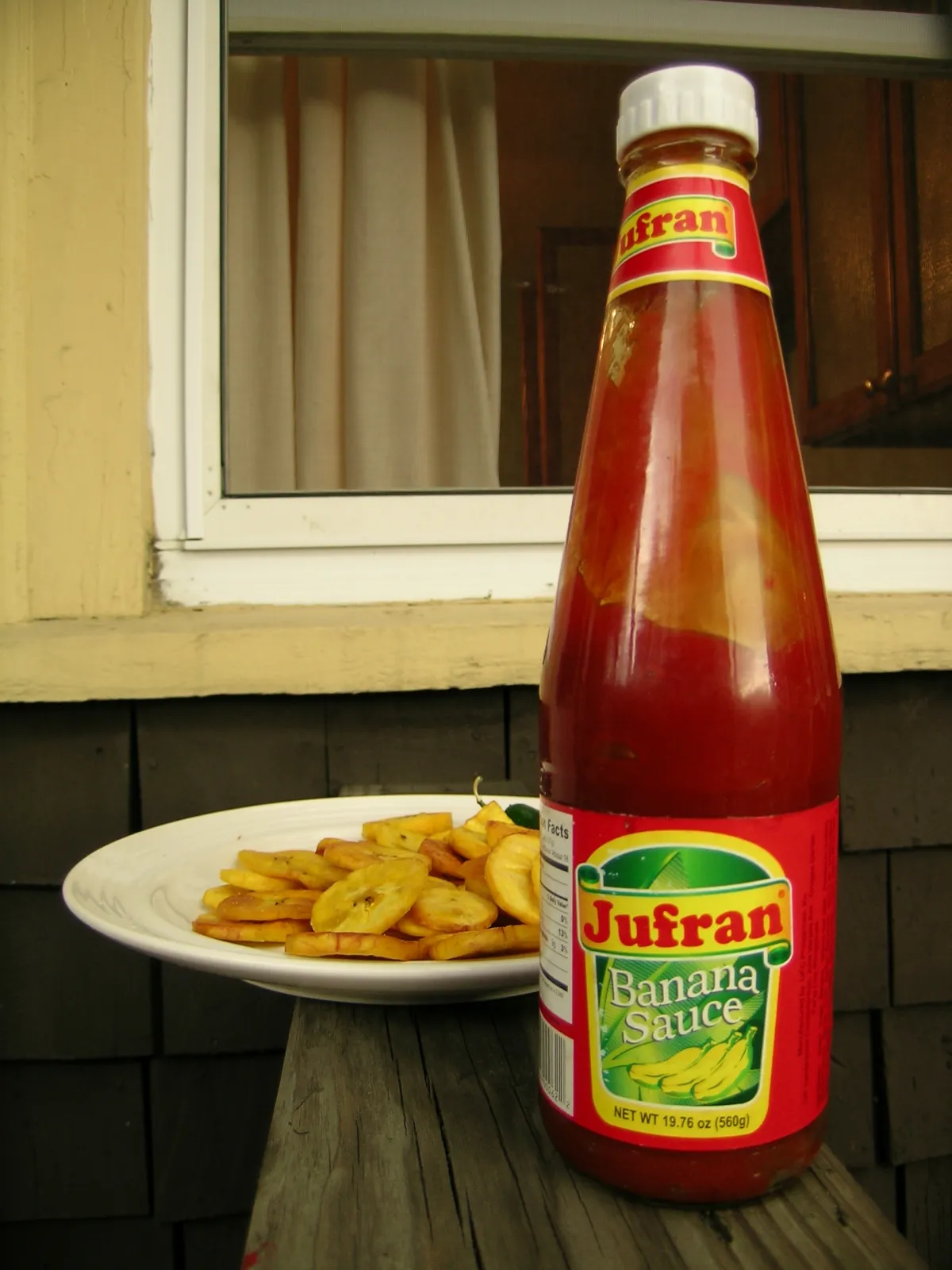
What is banana catsup? If you have never encountered this vibrant Filipino condiment, you are in for a delightful surprise. Banana catsup is a sweet, tangy sauce made from mashed bananas, vinegar, sugar, and spices — and it is one of the most beloved condiments in the Philippines. Often tinted red or orange to resemble its tomato-based cousin, banana catsup has a uniquely fruity sweetness and silky texture that pairs beautifully with grilled meats, fried foods, and Filipino classics like pork tocino and longganisa. This authentic banana catsup recipe brings this iconic condiment to your kitchen.
The Fascinating History of Banana Catsup
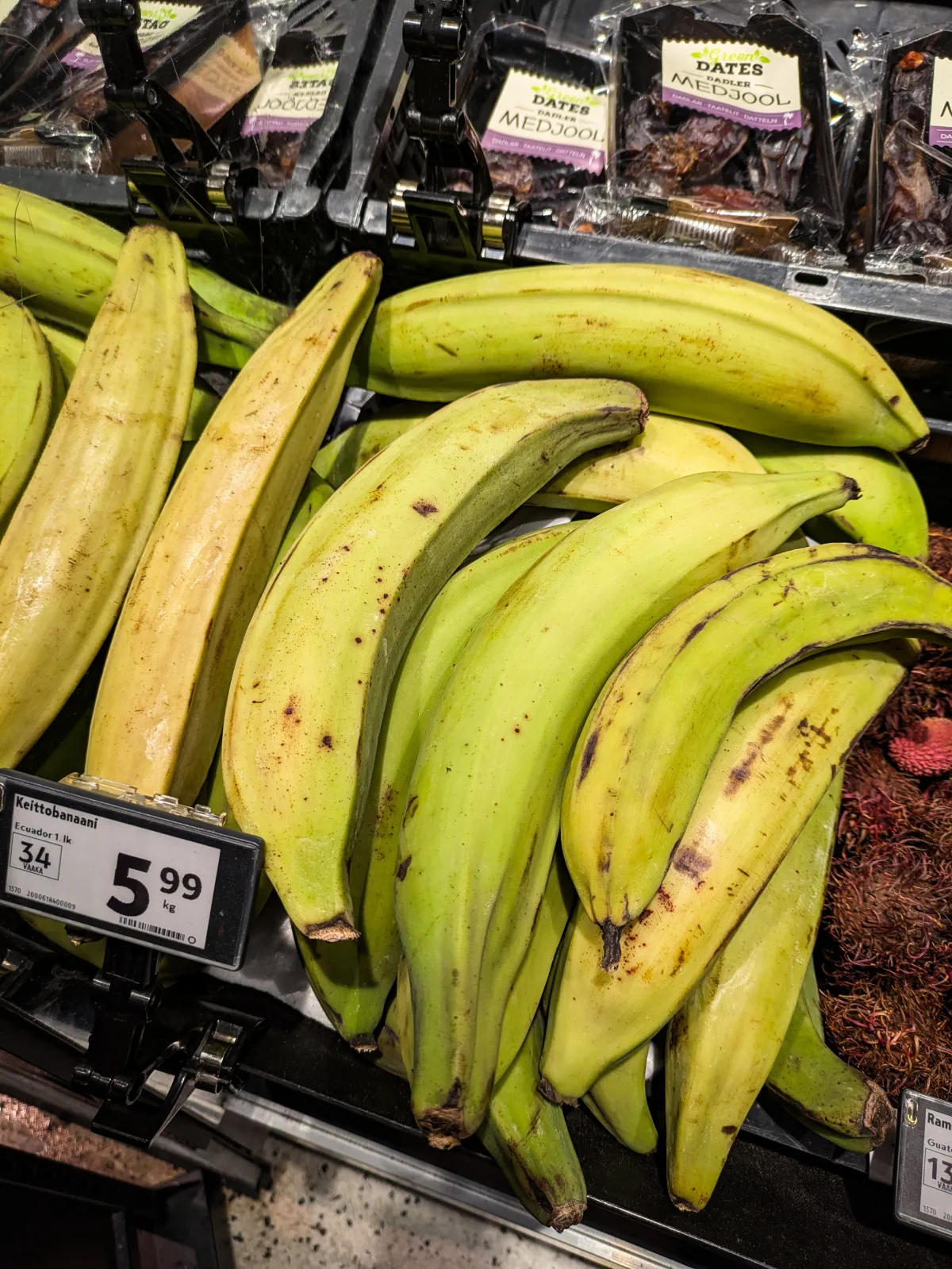
Banana catsup was born out of necessity during World War II. When tomatoes became scarce and expensive in the Philippines, food technologist Maria Orosa developed a recipe that substituted the abundant local saba bananas for tomatoes. The result was so popular that it long outlasted the wartime shortage. Today, banana catsup is a staple in Filipino kitchens and is exported worldwide to Filipino communities abroad.
The condiment occupies a special place in Filipino food culture, much the way tomato catsup does in American cuisine. It appears on dining tables at home, in fast-food chains, and at street food stalls. Major brands like Jufran and UFC dominate the commercial market, but homemade banana catsup offers a fresher, more nuanced flavor with none of the artificial additives.
Traditional Banana Catsup Recipe
This recipe uses ripe saba bananas, the traditional variety for banana catsup. If saba bananas are unavailable, ripe plantains or very ripe regular bananas (with brown spots) work as substitutes, though the flavor will be slightly different.
Ingredients
- 6 ripe saba bananas (or 4 ripe plantains, or 6 very ripe regular bananas)
- ¾ cup white cane vinegar or white distilled vinegar
- ¾ cup brown sugar (muscovado sugar is traditional and excellent)
- ½ cup water
- 2 tablespoons soy sauce
- 1 tablespoon tomato paste (for color and a hint of tomato flavor)
- 1 medium onion, finely minced
- 3 cloves garlic, minced
- 1 teaspoon salt
- ½ teaspoon black pepper
- ½ teaspoon ground allspice
- ¼ teaspoon ground turmeric
- ⅛ teaspoon ground cloves
- Red food coloring (optional — traditional but not required)
- 1 tablespoon vegetable oil
Step-by-Step Instructions
- Prepare the bananas. Peel the bananas and cut into chunks. Place in a bowl and mash thoroughly with a fork or potato masher until you have a smooth, lump-free puree. Alternatively, pulse in a food processor or blender with the water until smooth.
- Sauté aromatics. Heat vegetable oil in a large saucepan over medium heat. Add the minced onion and cook for 3 to 4 minutes until softened. Add the garlic and cook for 30 seconds until fragrant.
- Combine the base. Add the mashed banana puree, vinegar, brown sugar, soy sauce, and tomato paste to the saucepan. Stir well until everything is thoroughly combined.
- Season. Add the salt, black pepper, allspice, turmeric, and cloves. Stir to distribute the spices evenly. If using food coloring, add a few drops now and stir until the color is uniform.
- Simmer and reduce. Bring the mixture to a boil, then immediately reduce the heat to low. Simmer gently for 25 to 30 minutes, stirring frequently to prevent sticking. The catsup will darken and thicken as it cooks.
- Blend for smoothness. For the smoothest texture, blend the mixture with an immersion blender or transfer to a countertop blender and process until completely smooth. Pass through a fine-mesh strainer if you want an ultra-silky consistency.
- Final seasoning. Taste and adjust the balance of sweet, sour, and salty. Filipino banana catsup is typically sweeter than tomato catsup, so do not be afraid of a pronounced sweetness.
- Cool and store. Let the catsup cool completely. Transfer to clean bottles or jars and refrigerate.
Yield: Approximately 2 cups.
How to Use Banana Catsup
If you are new to banana catsup, here are the most popular ways to enjoy it:
- With Filipino breakfast meats: Banana catsup is the traditional accompaniment to tocino (sweet cured pork), longganisa (Filipino sausage), and tapa (dried beef), alongside garlic fried rice and a sunny-side egg.
- As a marinade: Mix banana catsup with soy sauce and calamansi juice for an excellent chicken or pork marinade.
- With fried foods: Use as a dipping sauce for lumpia (spring rolls), fried chicken, french fries, or fish sticks.
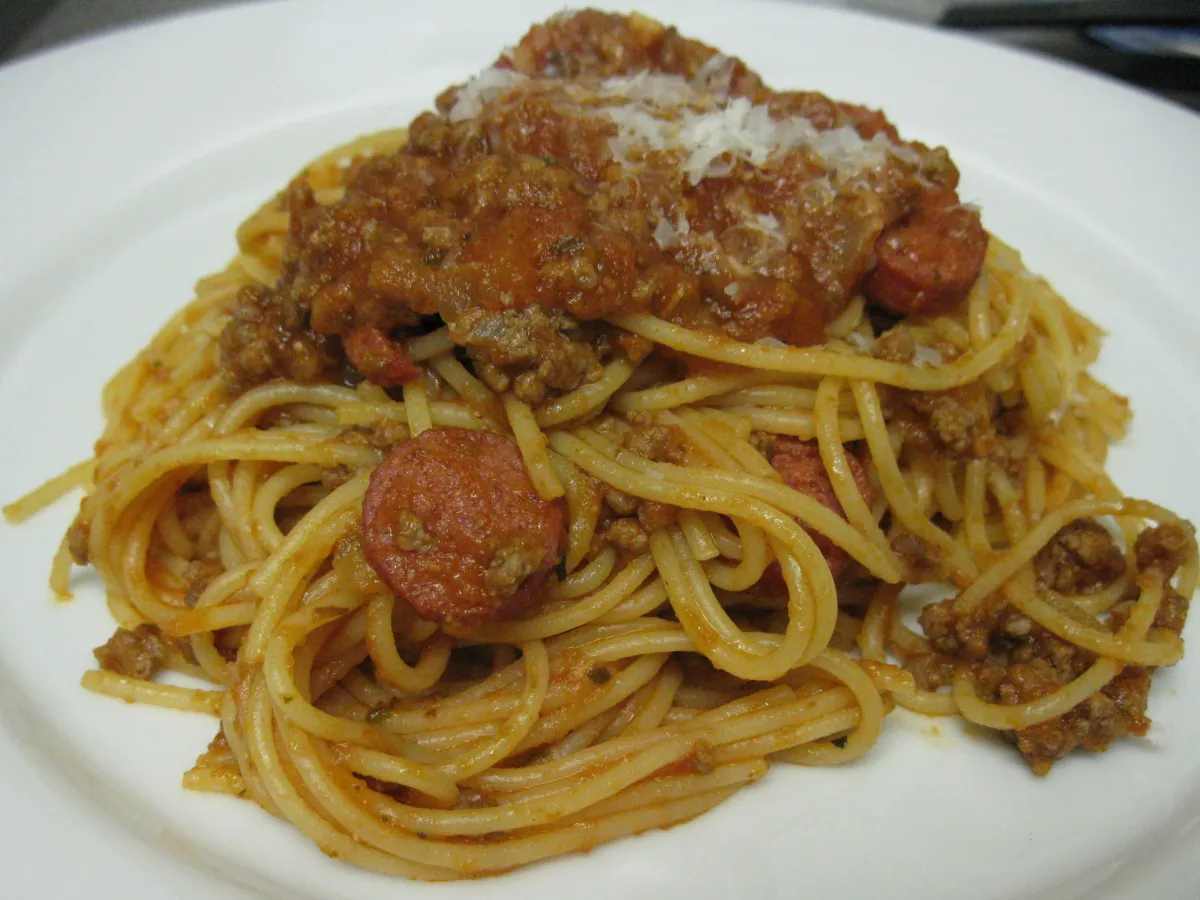
- In Filipino spaghetti: Banana catsup is a key ingredient in the distinctively sweet Filipino-style spaghetti sauce.
- As a glaze: Brush on grilled pork chops, ribs, or barbecue skewers during the last few minutes of cooking, similar to how you might use a catsup meatloaf glaze.
Tips for the Best Banana Catsup
- Use the ripest bananas possible. The riper the banana, the sweeter and more flavorful the catsup. Bananas with heavily spotted or even blackened peels are perfect.
- Muscovado sugar makes a difference. If you can find muscovado (unrefined cane sugar), it adds a rich, molasses-like depth that white or standard brown sugar cannot match.
- The food coloring is optional. Traditional commercial banana catsup is dyed red, but your homemade version will be a natural golden-brown without it. Both look and taste great.
- Let it rest overnight. Like many condiments, banana catsup improves after a night in the refrigerator as the flavors marry and deepen.
Banana Catsup vs. Tomato Catsup
How does banana catsup compare to the traditional tomato-based catsup most Westerners are familiar with? The differences are notable:
- Sweetness: Banana catsup is generally sweeter with a fruity undertone, while tomato catsup has a more savory-sweet profile.
- Texture: Banana catsup tends to be slightly thicker and silkier.
- Color: Without food coloring, banana catsup is golden-brown. With coloring, it can range from orange to deep red.
- Acidity: Tomato catsup has more natural acidity. Banana catsup relies more on added vinegar for its tang.
- Versatility: Both are remarkably versatile, but they excel in different culinary contexts.
Frequently Asked Questions
Where can I buy saba bananas?
Saba bananas are available at Asian grocery stores, particularly those with Filipino product sections. If you cannot find them, ripe plantains from any Latin American market or regular grocery store are the best substitute.
How long does banana catsup last?
Homemade banana catsup keeps for 2 to 3 weeks in the refrigerator. The vinegar helps preserve it, but since it contains fruit, it does not last quite as long as tomato-based catsup. For longer storage, consult our catsup canning guide for preservation techniques.
Is banana catsup vegan?
This recipe is vegan-friendly. Just confirm your soy sauce and sugar sources if you follow a strict vegan diet, as some sugars are processed with bone char.
Discover more unique condiments in our complete homemade catsup recipe collection, including mushroom catsup — another fascinating non-tomato variety with centuries of history.
Banana catsup is a sweet, tangy condiment made from mashed bananas, vinegar, sugar, and spices. It was invented in the Philippines during World War II by food technologist Maria Orosa as a substitute for tomato catsup when tomatoes were scarce. It is often tinted red or orange to resemble traditional tomato catsup and has a distinctively fruity sweetness.
Banana catsup has a subtly fruity undertone, but it does not taste like fresh bananas. The vinegar, sugar, soy sauce, and spices in the recipe transform the banana flavor into something uniquely sweet and tangy. Most people describe the taste as sweeter than tomato catsup with a milder acidity and a silky, smooth texture.
Banana catsup is most popular in the Philippines, where it is a staple condiment found on nearly every dining table. It is used with breakfast meats like tocino and longganisa, as a dipping sauce for fried foods, and as a base for Filipino-style spaghetti sauce. It is also widely available in grocery stores serving Filipino communities around the world, particularly in the United States, Canada, and the Middle East.
Yes, banana catsup can be used as a substitute for tomato catsup in most recipes, though the flavor profile will be noticeably different. Banana catsup is sweeter and less acidic than tomato catsup, so you may want to add a small splash of vinegar or lemon juice to compensate. It works especially well as a substitute in marinades, glazes, and dipping sauces.