
Whether you are counting calories, tracking macros, or simply curious about what you are putting on your plate, understanding catsup calories and catsup nutrition facts is essential. That little squeeze of red sauce may seem harmless, but the sugar in catsup, sodium in catsup, and carbs in catsup can add up faster than you might expect. In this comprehensive guide, we break down every nutritional detail so you can enjoy catsup with full confidence and awareness.
Catsup Calories: How Many Are in a Serving?
A standard serving of catsup is one tablespoon (17 grams). According to USDA nutrition data, one tablespoon of regular catsup contains approximately 20 calories. That number may seem insignificant on its own, but most people use far more than a single tablespoon in a sitting. A generous drizzle over fries or a burger can easily amount to three or four tablespoons, bringing the total to 60 to 80 catsup calories — still modest compared to mayo or ranch dressing, but worth tracking if you are on a strict calorie budget.
For context, here is how catsup compares to other popular condiments per tablespoon:
| Condiment | Calories per Tbsp |
|---|---|
| Catsup | 20 |
| Yellow mustard | 3 |
| Mayonnaise | 94 |
| Ranch dressing | 73 |
| BBQ sauce | 29 |
| Hot sauce | 1 |
As the table shows, catsup sits on the lower end of the calorie spectrum for condiments, making it a reasonable choice for calorie-conscious eaters — especially when replacing higher-calorie options like mayonnaise.
Complete Catsup Nutrition Facts (Per Tablespoon)

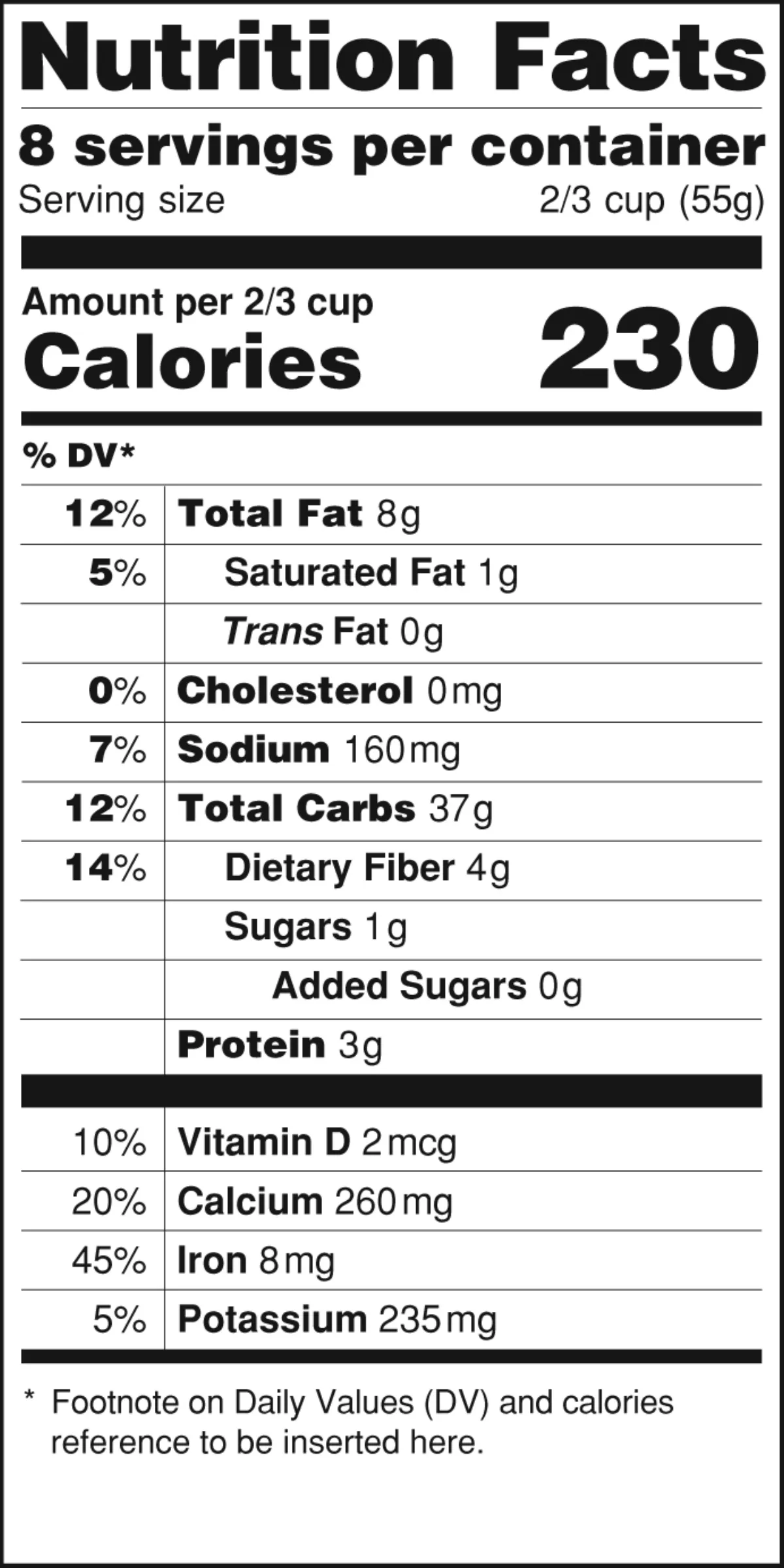
Here is the full nutritional breakdown for one tablespoon (17g) of standard catsup, based on USDA data:
| Nutrient | Amount | % Daily Value |
|---|---|---|
| Calories | 20 | 1% |
| Total Fat | 0g | 0% |
| Saturated Fat | 0g | 0% |
| Trans Fat | 0g | — |
| Cholesterol | 0mg | 0% |
| Sodium | 160mg | 7% |
| Total Carbohydrates | 5g | 2% |
| Dietary Fiber | 0g | 0% |
| Total Sugars | 4g | — |
| Added Sugars | 4g | 8% |
| Protein | 0g | 0% |
| Vitamin A | 2% DV | 2% |
| Vitamin C | 2% DV | 2% |
| Potassium | 57mg | 1% |
| Lycopene | 2.5mg | — |
These catsup nutrition facts reveal a condiment that is virtually fat-free and cholesterol-free, but not without nutritional considerations — particularly when it comes to sugar and sodium.
How Much Sugar Is in Catsup?
How much sugar is in catsup? Each tablespoon contains approximately 4 grams of sugar in catsup, nearly all of which is added sugar (as opposed to naturally occurring sugar from the tomatoes). To put that in perspective, 4 grams equals about one teaspoon of sugar. If you use three tablespoons of catsup on a meal — a common amount — you are consuming 12 grams of added sugar, which is roughly 24 percent of the American Heart Association’s recommended daily limit for women (25 grams) and 16 percent for men (36 grams).
The sugar in catsup is one of the primary reasons nutritionists sometimes flag it as a “hidden sugar” source. Because catsup tastes tangy and savory, many people do not realize just how sweet it actually is. In fact, sugar is typically the third ingredient on the label, right after tomatoes and vinegar.
If sugar is a concern for you, consider reduced-sugar or no-sugar-added catsup varieties. These typically use sucralose, stevia, or monk fruit to maintain sweetness while cutting the sugar content by 50 to 75 percent. Heinz No Sugar Added Ketchup, for example, contains just 1 gram of sugar per tablespoon and only 10 calories.
Sodium in Catsup: Should You Worry?
At 160 milligrams of sodium in catsup per tablespoon, the salt content is moderate but meaningful. Three tablespoons deliver 480 milligrams of sodium — about 21 percent of the recommended daily limit of 2,300 milligrams. For individuals following a low-sodium diet (often capped at 1,500 milligrams per day), those three tablespoons would account for 32 percent of their daily allowance.
The sodium in catsup is compounded by the fact that catsup is rarely consumed alone. It typically accompanies foods that are already high in sodium — french fries, hot dogs, burgers, and processed foods. The cumulative sodium load of a fast-food meal with a generous helping of catsup can easily exceed 1,000 milligrams.
Reduced-sodium catsup options cut the salt content by about 25 to 30 percent, bringing it down to roughly 110 to 120 milligrams per tablespoon. If sodium is a primary health concern, these varieties are well worth exploring.
Carbs in Catsup: A Keto Consideration
With 5 grams of total carbs in catsup per tablespoon — virtually all from sugar — catsup is a condiment that keto and low-carb dieters need to monitor carefully. A couple of tablespoons can use up a significant portion of a strict keto dieter’s 20-gram daily carb limit. Sugar-free catsup versions bring the carb count down to 1 gram per tablespoon, making them a much more keto-friendly option.
For diabetics, the glycemic impact of catsup in typical serving sizes is relatively small, but it is still worth accounting for, especially when combined with high-carb foods like white bread buns or potato-based sides.
The Lycopene Bonus
Not all the news about catsup nutrition facts involves cautionary notes. Catsup is one of the richest dietary sources of lycopene, a carotenoid antioxidant that gives tomatoes their red color. Cooking and concentrating tomatoes actually increases lycopene bioavailability, which means the processed tomatoes in catsup deliver more absorbable lycopene than a raw tomato. Research has associated higher lycopene intake with reduced risk of cardiovascular disease, certain cancers (particularly prostate cancer), and oxidative stress-related conditions.
A tablespoon of catsup contains about 2.5 milligrams of lycopene. While there is no official recommended daily intake for lycopene, most studies showing health benefits used doses ranging from 6 to 30 milligrams per day — meaning a few tablespoons of catsup could contribute meaningfully to your lycopene intake.
Catsup Nutrition: Reduced-Sugar and Organic Varieties
The nutrition landscape for catsup has expanded significantly in recent years. Here is a quick comparison of popular formulations per tablespoon:
| Type | Calories | Sugar | Sodium | Carbs |
|---|---|---|---|---|
| Regular catsup | 20 | 4g | 160mg | 5g |
| Simply Heinz (cane sugar) | 20 | 4g | 150mg | 5g |
| Heinz No Sugar Added | 10 | 1g | 170mg | 2g |
| Organic catsup | 20 | 3g | 150mg | 4g |
| Reduced-sodium catsup | 20 | 4g | 110mg | 5g |
Each variety addresses a specific nutritional concern. The no-sugar-added version is ideal for keto dieters and diabetics. The reduced-sodium option suits those managing blood pressure. Organic formulations appeal to consumers prioritizing clean, pesticide-free ingredients. And “Simply” versions offer the same classic taste with a cleaner sweetener source.
How Catsup Fits Into a Healthy Diet
The bottom line on catsup calories and nutrition? In moderate amounts, catsup is a low-calorie, fat-free condiment that delivers a meaningful dose of lycopene. The primary nutritional concerns — sugar in catsup and sodium in catsup — are manageable as long as you are mindful of serving sizes and choose reduced versions when appropriate. For a broader look at whether catsup deserves a place in a health-conscious diet, read our article on whether catsup is healthy.
To learn more about what goes into every bottle, visit our catsup ingredients page, or head to our main what is catsup guide for the full picture.