

Is catsup healthy? It is the condiment millions of Americans reach for without a second thought — but is that a good thing? The debate over whether catsup is good for you or catsup is bad for you has been going on for decades, with nutritionists, dietitians, and health bloggers landing on every side. In this evidence-based guide, we cut through the noise and give you a clear, honest answer about where catsup fits in a healthy diet.
Is Catsup Good for You? The Case For
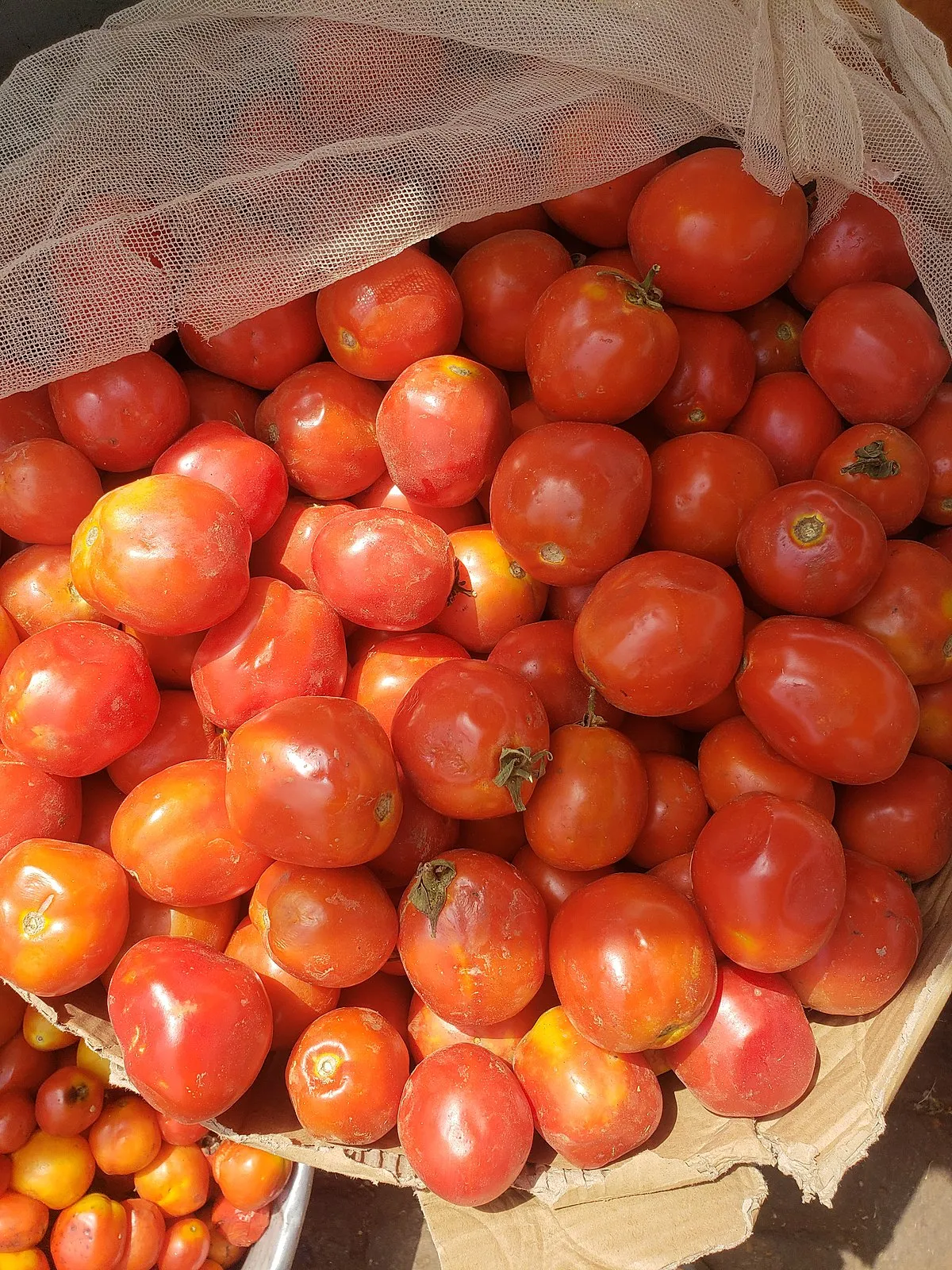
Before we explore the downsides, it is important to acknowledge that catsup does offer some genuine nutritional benefits. Dismissing it entirely as “junk food” would be inaccurate. Here are the legitimate health advantages of catsup:
Rich in Lycopene

Catsup is one of the most concentrated dietary sources of lycopene, a powerful carotenoid antioxidant responsible for the red color in tomatoes. What makes catsup particularly valuable is that cooking and processing tomatoes actually increases lycopene bioavailability — meaning your body absorbs more lycopene from catsup than from a raw tomato. A single tablespoon of catsup provides about 2.5 milligrams of lycopene.
Research published in the Annual Review of Food Science and Technology has linked higher lycopene intake with reduced risk of cardiovascular disease, lower LDL cholesterol oxidation, and potential protective effects against prostate, lung, and stomach cancers. While catsup alone is not a cancer-fighting superfood, its lycopene content is a meaningful nutritional positive.
Low in Calories and Fat
At just 20 calories per tablespoon with zero grams of fat, catsup is one of the lowest-calorie condiments available. Compared to mayonnaise (94 calories per tablespoon) or ranch dressing (73 calories), choosing catsup as your go-to condiment can save you hundreds of calories over the course of a week — especially if you eat out frequently or enjoy sandwiches, burgers, and fries.
Contains Vitamins A and C
Tomatoes naturally contain vitamins A and C, and some of these micronutrients survive the processing that turns tomatoes into catsup. A tablespoon provides about 2 percent of the daily value for each. These are modest amounts, but they contribute to overall intake, especially for people who consume catsup regularly.
Free of Major Allergens
Standard catsup is free of the eight major food allergens (milk, eggs, fish, shellfish, tree nuts, peanuts, wheat, and soy). It is also gluten free, vegan, and vegetarian. For people navigating complex dietary restrictions, catsup is one of the few flavor-enhancing condiments that is almost universally safe.
Is Catsup Bad for You? The Case Against
Now for the other side of the coin. While catsup is not inherently bad for you, it does have nutritional characteristics that deserve scrutiny — especially for people managing specific health conditions.
High in Added Sugar
The single biggest concern about catsup is its sugar content. A tablespoon of regular catsup contains about 4 grams of added sugar — nearly a full teaspoon. Most people use two to four tablespoons per serving, which means 8 to 16 grams of added sugar from catsup alone. The American Heart Association recommends limiting added sugar to 25 grams per day for women and 36 grams for men. A heavy catsup habit can consume a significant portion of that budget before you even consider desserts, sweetened beverages, or other processed foods.
For diabetics, the sugar in catsup can contribute to blood glucose spikes, particularly when combined with high-carb foods. People following keto, low-carb, or Whole30 diets often eliminate standard catsup entirely because of its sugar content.
Sodium Content Adds Up
At 160 milligrams of sodium per tablespoon, catsup is a moderate sodium contributor. The concern is cumulative: catsup is typically paired with already-salty foods like french fries, hot dogs, burgers, and processed meats. The combined sodium load of a meal featuring generous catsup use can easily exceed recommended limits, contributing to hypertension, fluid retention, and increased cardiovascular risk over time.
High-Fructose Corn Syrup Concerns
Many mainstream catsup brands use high-fructose corn syrup (HFCS) as their primary sweetener. While the scientific consensus is that HFCS and table sugar have similar metabolic effects in moderate amounts, some research suggests that high HFCS consumption may be associated with increased risk of obesity, fatty liver disease, and metabolic syndrome. Consumers who prefer to avoid HFCS can choose brands that use cane sugar instead, such as Simply Heinz or organic varieties.
Can Encourage Overconsumption of Unhealthy Foods
This is a behavioral rather than nutritional concern, but it is worth mentioning. Catsup makes fried, salty, and processed foods taste better — which can encourage overconsumption of those foods. The question “is catsup bad for you?” sometimes has less to do with catsup itself and more to do with the dietary patterns it supports. If catsup is your gateway to eating more french fries and fewer vegetables, the net health impact is negative regardless of what is in the catsup bottle.
The Verdict: Is Catsup Healthy or Unhealthy?
The honest answer is that catsup is neither particularly healthy nor particularly unhealthy — it occupies a middle ground that depends almost entirely on how much you use and what you pair it with. Here is a practical framework:
- In small amounts (1-2 tablespoons): Catsup is a perfectly fine condiment that adds flavor with minimal caloric cost and provides a small lycopene boost. At this level, the sugar and sodium are negligible for most healthy adults.
- In moderate amounts (3-4 tablespoons): The sugar and sodium begin to matter. Healthy adults can still accommodate this amount within a balanced diet, but people managing diabetes, hypertension, or weight loss should be mindful.
- In large amounts (5+ tablespoons daily): At this level, catsup becomes a significant source of added sugar and sodium. Chronic heavy use — especially alongside an already processed diet — could contribute to weight gain, blood sugar instability, and elevated blood pressure.
Healthier Catsup Alternatives
If you love catsup but want to minimize the downsides, consider these options:
- No-sugar-added catsup: Heinz No Sugar Added and Primal Kitchen Unsweetened both deliver the classic catsup taste with 75 percent less sugar. These are the best options for diabetics, keto dieters, and anyone trying to reduce added sugar intake.
- Reduced-sodium catsup: Available from most major brands, these versions cut sodium by 25 to 30 percent while maintaining the familiar flavor profile.
- Organic catsup: Brands like Annie’s and Heinz Organic use organic tomatoes and cane sugar, eliminating concerns about pesticide residues and HFCS.
- Homemade catsup: Making catsup at home gives you complete control over sugar, salt, and ingredients. A simple recipe using tomato paste, apple cider vinegar, and a natural sweetener like honey takes about 15 minutes.
- Salsa as a substitute: Fresh salsa delivers a similar tomato-based flavor with far less sugar and sodium, plus the added benefit of fresh vegetables. It is not identical to catsup, but it works well as a dip for fries, a burger topping, or a condiment for eggs.
What Nutritionists Say
Most registered dietitians take a pragmatic view of catsup. They recognize it as a low-calorie condiment with some nutritional value (lycopene, vitamins) but caution against treating it as a health food. The consensus is that catsup in moderation is absolutely fine for healthy adults, and that worrying about a tablespoon of catsup on your burger is far less productive than focusing on the bigger dietary picture — overall vegetable intake, whole grain consumption, lean protein sources, and hydration.
For people with specific health conditions, the advice shifts slightly: diabetics should account for the sugar, hypertensive patients should watch the sodium, and anyone on a strict low-carb diet should choose sugar-free varieties.
The Bottom Line
Is catsup good for you? In moderation, yes — it is a low-calorie source of lycopene that is free of fat, cholesterol, and major allergens. Is catsup bad for you? Only if you consume it excessively or use it as an excuse to eat more processed, nutrient-poor foods. The key, as with most things in nutrition, is balance and awareness.
Want to dive deeper? Explore the full catsup nutrition facts to see exactly what is in every tablespoon, review the complete ingredient list, or return to our main guide on what is catsup.