
Bought catsup in bulk during a sale? Have leftover homemade catsup you cannot use fast enough? You might be wondering: can you freeze catsup? The short answer is yes, you absolutely can. Freezing catsup is a practical and effective way to extend its shelf life well beyond what refrigeration alone offers. While there are some texture changes to be aware of, frozen catsup retains its flavor remarkably well and can be a smart strategy for reducing waste and saving money. Here is everything you need to know about freezing, thawing, and using frozen catsup.
Can You Freeze Catsup? Yes, and Here Is Why You Might Want To
There are several situations where freezing catsup makes perfect sense. Perhaps you found an incredible deal on your favorite brand and stocked up more than your fridge can handle. Maybe you made a large batch of homemade catsup and want to preserve it for the months ahead. Or you might have multiple opened bottles approaching the end of their recommended shelf life and you want to avoid throwing them away.
Whatever your reason, freezing catsup is a perfectly viable preservation method. The high acidity, sugar content, and vinegar in catsup all contribute to it freezing and thawing successfully. Unlike many sauces that break down completely when frozen, catsup maintains its core flavor profile through the freeze-thaw cycle, making it one of the more freezer-friendly condiments in your kitchen.
How Freezing Affects Catsup
Before you toss a bottle in the freezer, it helps to understand what happens to catsup at sub-zero temperatures. When catsup freezes, the water content forms ice crystals. These crystals can disrupt the smooth, emulsified texture that characterizes fresh catsup. Upon thawing, you may notice that the catsup appears slightly separated, with a watery layer on top and a thicker paste below. The color may also be marginally less vibrant than fresh catsup.
The good news is that these changes are mostly cosmetic. A thorough stir or shake after thawing usually restores the consistency to something very close to the original. The flavor, which is what really matters, remains virtually unchanged. The vinegar, tomato, sugar, and spice notes all survive the freezing process intact.
Best Methods for Freezing Catsup
How you freeze your catsup makes a real difference in the quality you get when you thaw it. Here are the most effective methods, ranked from best to most convenient.
Method 1: Ice Cube Trays for Portioned Freezing
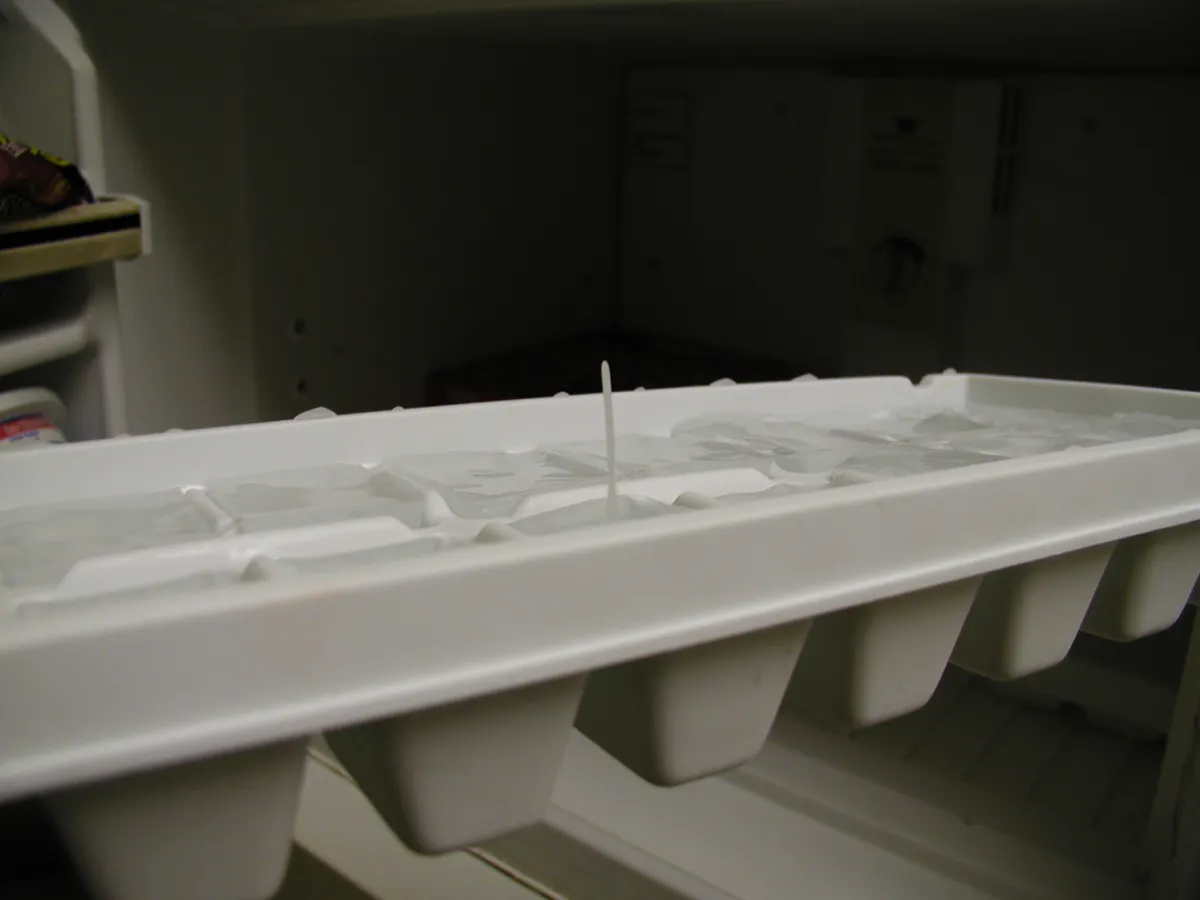
This is the gold standard for freezing catsup because it gives you perfectly portioned amounts that thaw quickly. Pour catsup into a clean ice cube tray, filling each compartment about three-quarters full to allow for expansion. Place the tray in the freezer uncovered for four to six hours until the cubes are solid. Then pop the frozen catsup cubes out and transfer them to a freezer-safe zip-lock bag, pressing out as much air as possible before sealing. Each cube holds approximately two tablespoons of catsup, making it easy to thaw exactly what you need.
Method 2: Freezer Bags (Flat Freezing)
For larger quantities, pour catsup into a freezer-safe zip-lock bag, squeeze out the excess air, seal it, and lay it flat in the freezer. Once frozen, the flat shape takes up minimal space and allows you to break off pieces as needed without thawing the entire batch. This method works especially well for homemade catsup or when consolidating multiple partially used bottles.
Method 3: Small Containers
If you prefer rigid containers, use small freezer-safe plastic containers or glass jars with tight-fitting lids. Leave at least half an inch of headspace at the top because catsup expands as it freezes. This method is straightforward but takes up more freezer space than the flat bag technique and requires you to thaw an entire container at once.
What About Freezing in the Original Bottle?
Can you freeze catsup right in the bottle it came in? Technically yes, but it is not recommended. Glass bottles can crack as the liquid expands during freezing. Plastic squeeze bottles are more forgiving but may deform, and the narrow opening makes it nearly impossible to get the frozen catsup out when you need it. You are much better off transferring the catsup to a more freezer-appropriate container.
How Long Does Frozen Catsup Last?
When properly stored in airtight packaging, frozen catsup maintains its best quality for up to two years. It remains safe to eat indefinitely at 0 degrees Fahrenheit, but flavor and texture quality begin to decline after the two-year mark. For comparison, refrigerated opened catsup lasts six to nine months, so freezing can extend the usable life by three to four times. This makes it an excellent option for anyone who wants to stock up without worrying about waste.
How to Thaw Frozen Catsup
The best way to thaw frozen catsup is slowly in the refrigerator. Transfer the desired amount from the freezer to the fridge and let it thaw overnight or for at least eight hours. Slow thawing minimizes texture changes and keeps the catsup at a safe temperature throughout the process.
For faster thawing, you can place a sealed bag of frozen catsup in a bowl of cool water. Replace the water every 30 minutes to maintain a safe temperature. Small portions like ice cube-sized pieces will thaw in 30 to 60 minutes using this method.
Avoid microwaving frozen catsup to thaw it. The uneven heating can create hot spots that cook parts of the catsup while leaving other parts frozen, resulting in an unpleasant texture and potentially overheated sauce.
Using Thawed Catsup
Once thawed, give the catsup a vigorous stir or shake to recombine any separated liquid. Thawed catsup is best used in cooked applications like meatloaf, barbecue sauce, soups, stews, and marinades, where any slight texture differences are undetectable. It also works perfectly well as a dipping sauce or burger topping, especially once you have stirred it back to a smooth consistency.
Thawed catsup should be stored in the refrigerator and used within two weeks. Do not refreeze catsup that has been fully thawed, as the repeated freeze-thaw cycle will significantly degrade the texture. If you used the ice cube method, simply take out only what you need and leave the rest frozen.
Creative Uses for Frozen Catsup Cubes
- Instant sauce base: Drop a few cubes directly into a hot pan to create a quick glaze for meatballs or chicken wings.
- Smoothie booster: Add a frozen cube to a savory vegetable smoothie for a tomato kick.
- Soup starter: Toss a couple of cubes into simmering soup or chili for added body and flavor.
- Meal prep helper: Include frozen catsup portions in freezer meal kits so the seasoning is built right in.
- Cocktail ingredient: Use a frozen catsup cube in a Bloody Mary for a thick, flavorful base.
Final Thoughts
Can you freeze catsup? Absolutely. It is one of the easiest and most effective ways to extend the life of this kitchen staple. With the right method and a little planning, you can keep catsup on hand for years without sacrificing flavor. Whether you are a bulk buyer, a homemade catsup enthusiast, or simply someone who hates wasting food, freezing is a technique worth adding to your kitchen repertoire. For more storage tips and best practices, head back to our comprehensive catsup storage guide.