
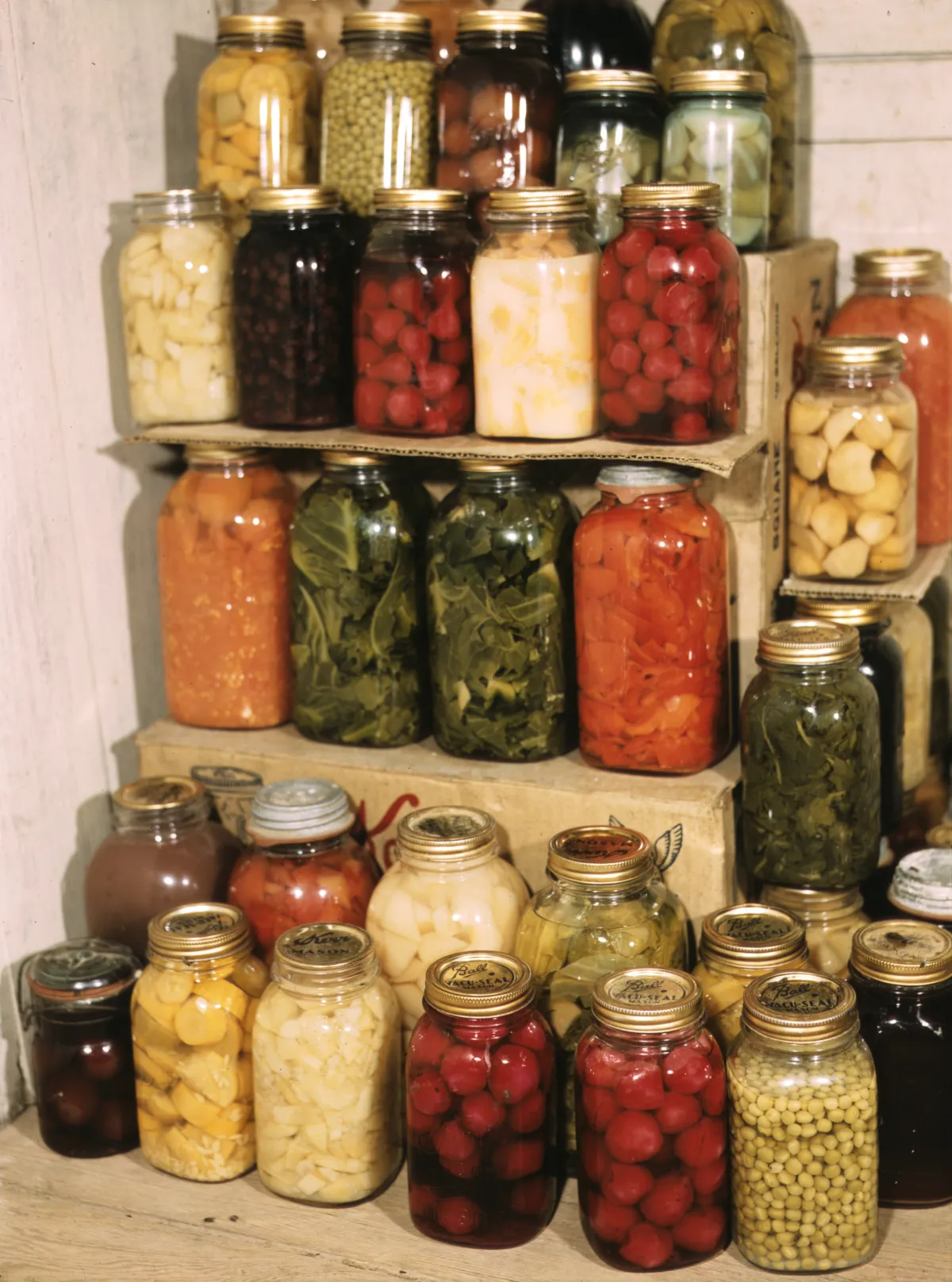
If you want to enjoy your homemade catsup for canning all year long — or give beautifully bottled jars as gifts — you need a recipe specifically formulated for safe preservation. This catsup recipe for canning has been developed with the proper acidity levels for water-bath canning, giving you shelf-stable jars of delicious homemade catsup that will keep for 12 months or more in your pantry. Whether you are putting up a summer tomato harvest or simply making a large batch to enjoy throughout the year, this guide covers everything from the recipe itself to detailed processing instructions.
Why Canning Catsup Requires a Specific Recipe
Not every homemade catsup recipe is safe for canning. The critical factor is acidity — you need a pH below 4.6 to safely process catsup in a water-bath canner. Going below this threshold prevents the growth of Clostridium botulinum, the bacterium that causes botulism. Our catsup recipe for canning achieves this through a carefully calibrated ratio of vinegar to tomatoes, and we strongly recommend not reducing the vinegar quantity.
The sugar and salt levels also affect preservation. While you can make adjustments within reason, significant reductions to either sugar or vinegar can compromise the safety and shelf stability of your canned catsup. If you need a low-sugar version, our sugar-free catsup recipe is better suited for refrigerator storage rather than canning.
Canning Catsup Recipe
This recipe makes approximately 6 to 7 half-pint (8 oz) jars — enough to last most families a full year.
Ingredients
- 8 pounds ripe Roma or paste tomatoes (about 24 cups chopped)
- 2 medium yellow onions, chopped
- 2 red bell peppers, seeded and chopped
- 4 cloves garlic, minced
- 1½ cups white distilled vinegar (5% acidity — do not reduce)
- 1 cup granulated sugar
- 1 tablespoon sea salt
- 1 tablespoon paprika
- 1 teaspoon ground allspice
- 1 teaspoon ground cinnamon
- ½ teaspoon ground cloves
- ½ teaspoon black pepper
- ½ teaspoon celery seed
- ¼ teaspoon cayenne pepper
- 1 tablespoon olive oil
Step-by-Step Instructions
- Prepare the tomatoes. Wash and core all tomatoes. Cut into quarters. If desired, blanch in boiling water for 60 seconds, then transfer to an ice bath to slip the skins off easily. This step is optional — the skins will be strained out later — but it produces a smoother final product.
- Cook the vegetables. Heat olive oil in a large stockpot over medium heat. Add the onions and bell peppers and sauté for 8 to 10 minutes until soft. Add the garlic and cook for 1 minute more.
- Add tomatoes and simmer. Add the quartered tomatoes to the pot. Bring to a boil, then reduce heat to medium-low and simmer for 25 to 30 minutes until everything is soft and broken down, stirring occasionally.
- Blend and strain. Working in batches, blend the mixture until smooth. Pass through a fine-mesh strainer or food mill to remove seeds, skins, and any remaining solids. Return the smooth puree to the stockpot.
- Add seasonings and reduce. Stir in the vinegar, sugar, salt, paprika, allspice, cinnamon, cloves, black pepper, celery seed, and cayenne. Bring to a gentle boil, then reduce heat to low and simmer, stirring frequently, for 1 to 1½ hours until the catsup has reduced by approximately half and is thick enough to mound on a spoon.
- Taste and adjust. Check the seasoning. You can add more salt or sugar, but do not reduce the vinegar — it is essential for safe canning pH levels.
Water-Bath Canning Instructions
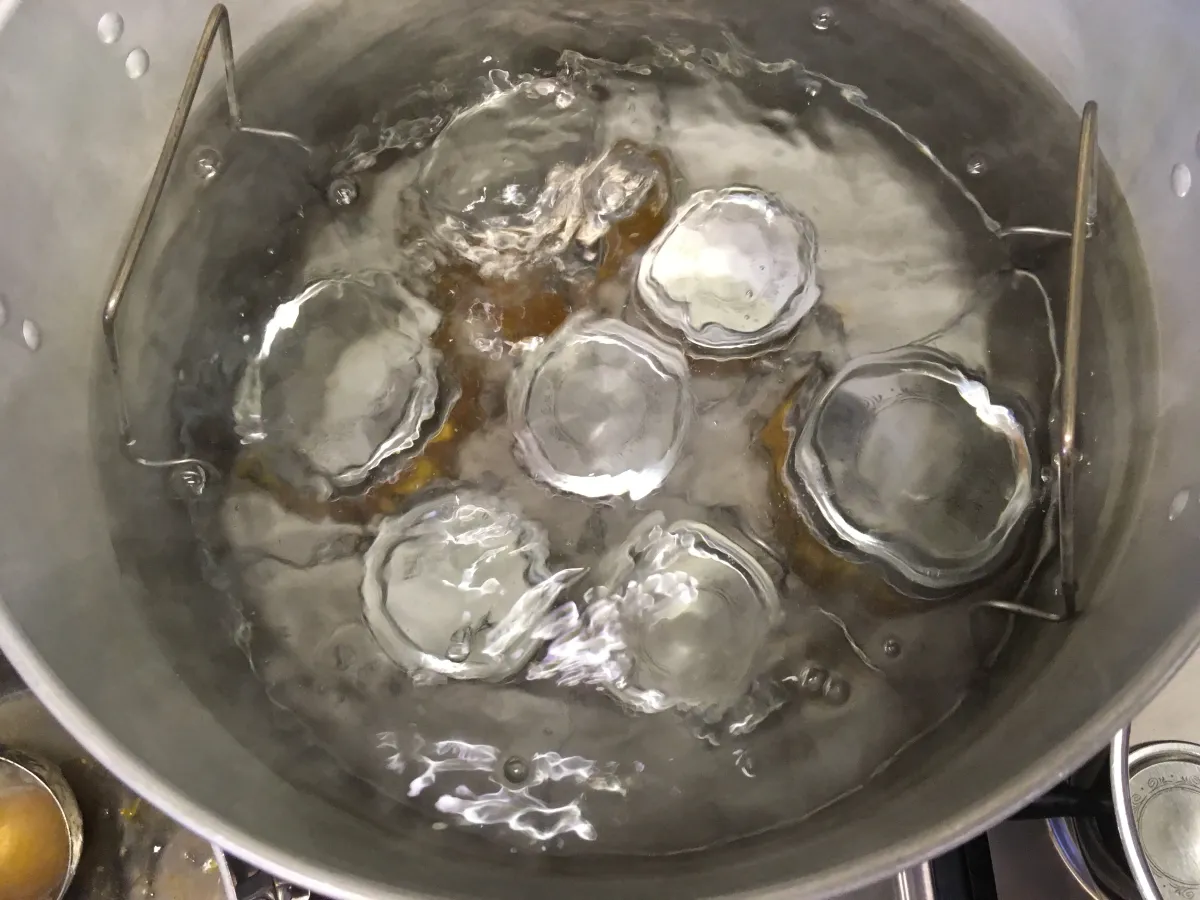
- Prepare your equipment. While the catsup simmers, wash canning jars, lids, and bands in hot soapy water. Place jars in the water-bath canner and fill with water. Bring to a simmer (180°F) and keep jars hot until ready to fill.
- Fill the jars. Working with one jar at a time, remove a hot jar from the canner and place on a clean towel. Using a canning funnel, ladle hot catsup into the jar, leaving ½ inch of headspace. Remove air bubbles by running a non-metallic utensil (a chopstick or bubble remover tool) around the inside edges.
- Clean and seal. Wipe the rim of each jar with a clean, damp cloth to remove any catsup residue. Center a lid on the jar and apply a band, tightening to fingertip-tight — snug but not overly tight.
- Process. Lower filled jars into the canner, ensuring they are covered by at least 1 inch of water. Bring to a rolling boil and process for 15 minutes. If you live at altitude above 1,000 feet, add 5 minutes for 1,001 to 6,000 feet, or 10 minutes for above 6,000 feet.
- Cool and test seals. Remove jars from the canner and place on a towel-lined counter. Do not disturb for 12 to 24 hours. Check seals by pressing the center of each lid — it should not flex up and down. Any unsealed jars should be refrigerated and used within 4 weeks.
Essential Canning Safety Tips
- Never reduce the vinegar. The vinegar is not just for flavor — it is the primary acidifier that makes water-bath canning safe. Use distilled white vinegar with exactly 5% acidity.
- Use tested recipes. This recipe has been formulated for safe canning. Modifying ingredients significantly — especially reducing acid or increasing low-acid vegetables — can compromise safety.
- Check jar integrity. Inspect all jars for cracks, chips, or defects before filling. Damaged jars may not seal properly.
- Label and date everything. Write the contents and date on each jar. Use within 12 to 18 months for best quality.
- Store properly. Keep sealed jars in a cool, dark place. Remove bands for storage — they can mask a failed seal if left on.
Equipment Checklist for Canning Catsup
- Water-bath canner with rack
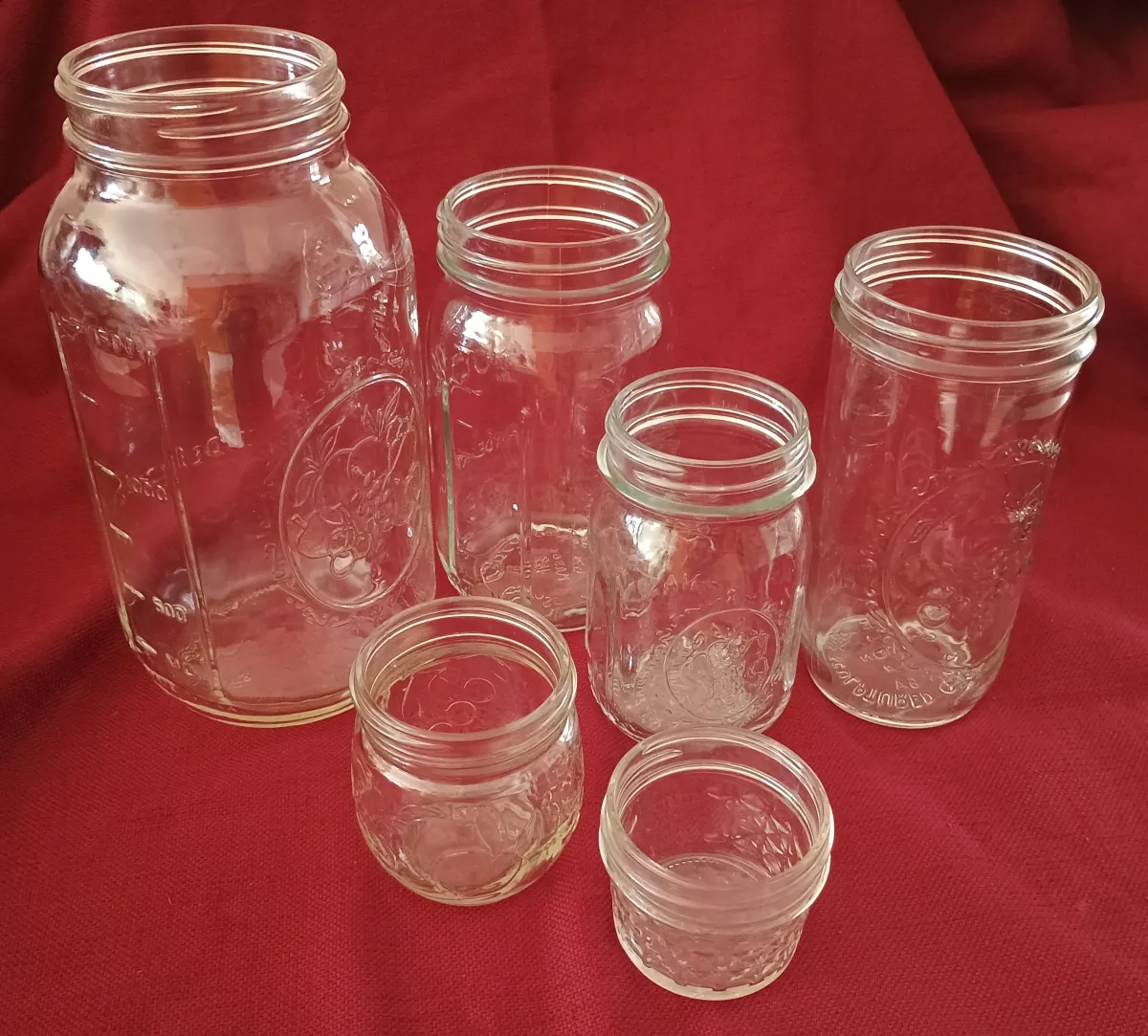
- Half-pint (8 oz) or pint (16 oz) canning jars with two-piece lids
- Canning funnel
- Jar lifter
- Bubble remover or chopstick
- Magnetic lid lifter
- Clean towels
- Large stockpot for the catsup
- Immersion blender or food mill
Frequently Asked Questions
Can I use a pressure canner instead of a water bath?
You can, but it is unnecessary. This catsup recipe is acidic enough for safe water-bath canning, which is simpler. Pressure canning is reserved for low-acid foods like plain vegetables and meats.
Can I can spicy catsup or other variations?
Adding hot peppers (like in our spicy catsup recipe) is generally safe because peppers do not significantly alter the pH. However, avoid adding low-acid ingredients like mushrooms or bananas to a canning recipe. Those variations — like mushroom catsup and banana catsup — are best stored in the refrigerator.
How do I know if my canned catsup has gone bad?
Signs of spoilage include a broken or bulging lid seal, cloudiness, mold, off odors, or bubbling when the jar is opened. If you notice any of these, discard the entire jar without tasting.
Can I make catsup from tomato paste for canning?
Our catsup from tomato paste recipe works well for refrigerator storage but has not been tested specifically for canning. For safe canning, we recommend starting from fresh or canned whole tomatoes as in this recipe, where the acidity can be precisely controlled.
Explore our full library of homemade catsup recipes for more flavors and techniques, from fresh tomato catsup to curry catsup and beyond.