
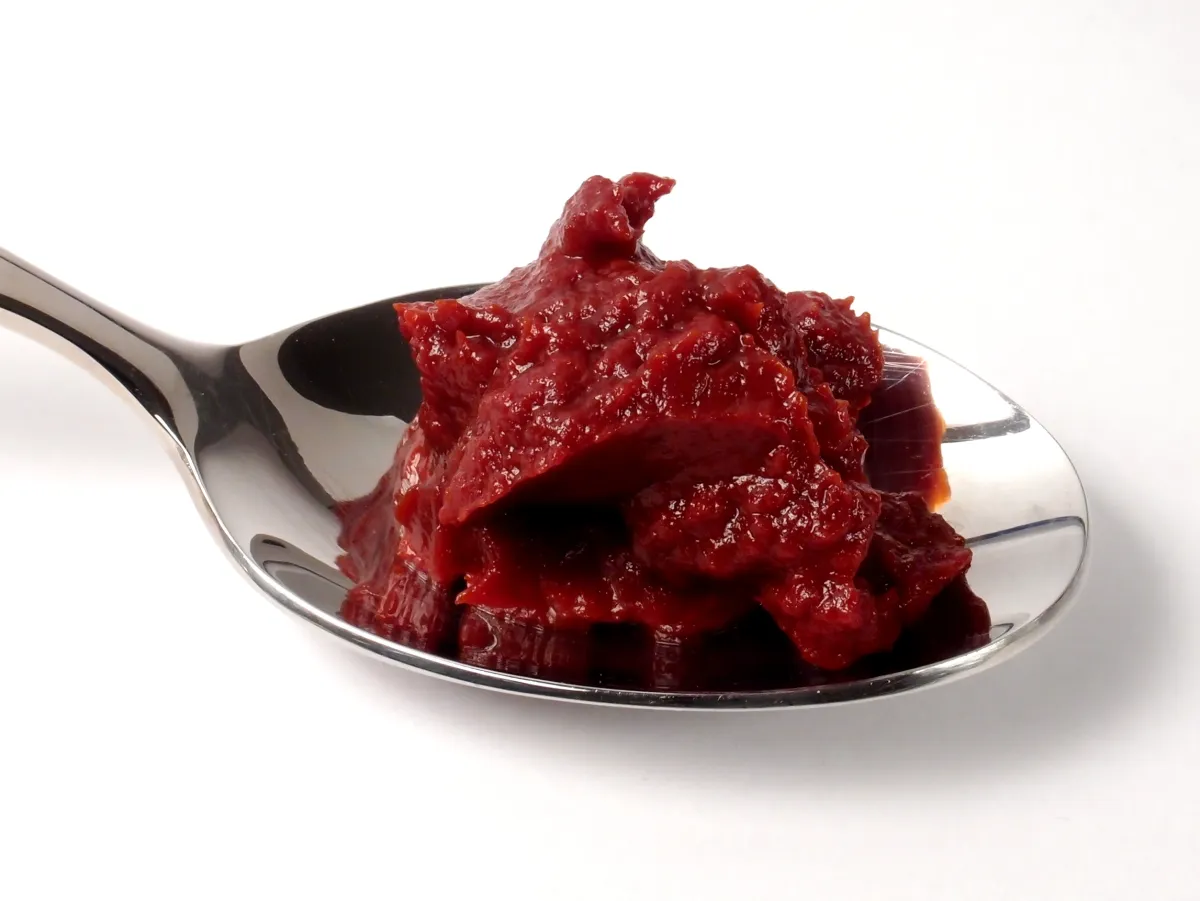
Need catsup in a hurry? Learning how to make catsup with tomato paste is the fastest path to a homemade condiment that blows store-bought bottles out of the water. This catsup recipe with tomato paste requires just 10 minutes of active cooking time and uses pantry staples you probably already have on hand. It is the perfect solution when you run out of catsup mid-cookout, want to avoid a grocery run, or simply crave a fresher, more flavorful version of the classic condiment.
Why Tomato Paste Makes Excellent Catsup
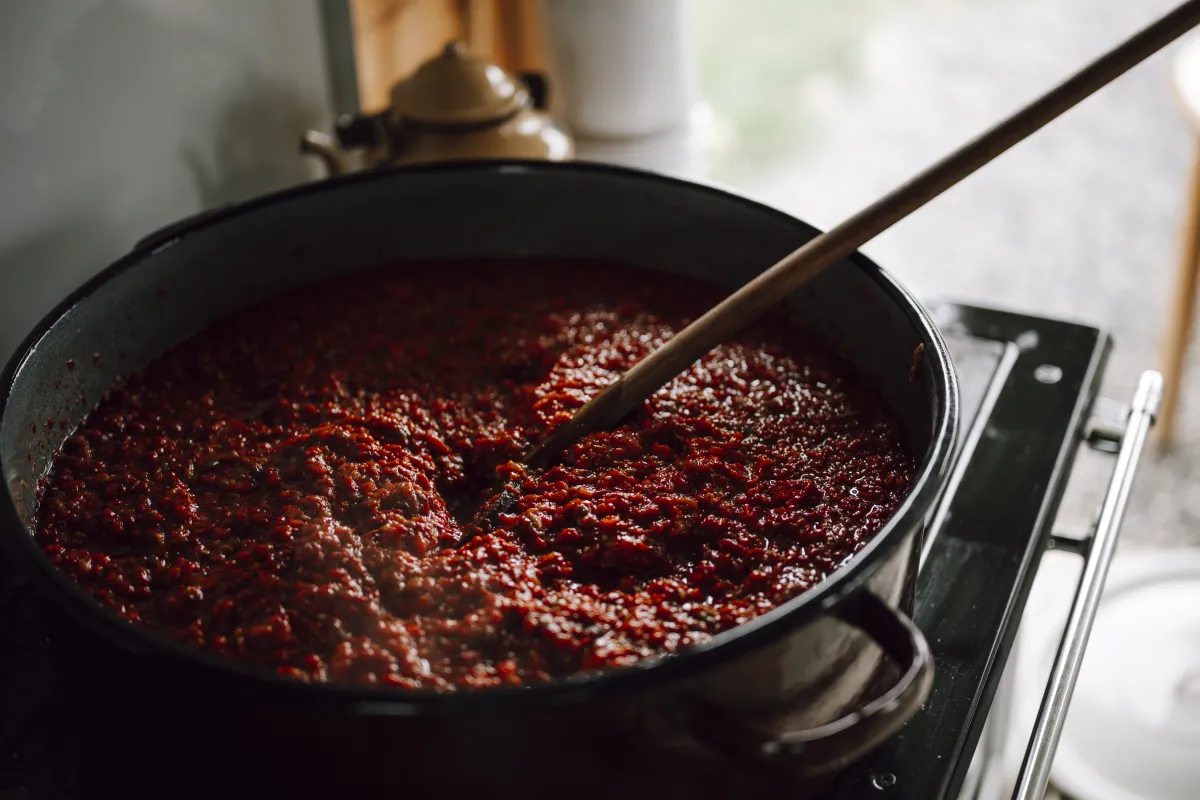
Tomato paste is essentially concentrated tomatoes — the water has already been cooked off, leaving behind an intense, rich tomato flavor. This means you skip the longest step in traditional homemade catsup recipes: the reduction. Instead of simmering fresh or canned tomatoes for an hour or more, you start with a product that already has the thick, concentrated consistency you need. From there, it is simply a matter of adding the right seasonings and balancing the flavors.
This approach is also incredibly forgiving. Because tomato paste is a shelf-stable pantry item, you can make this catsup recipe with tomato paste any time of year without worrying about tomato quality or availability. It is equally delicious in January as it is during peak summer tomato season.
Quick Catsup from Tomato Paste Recipe
Ingredients
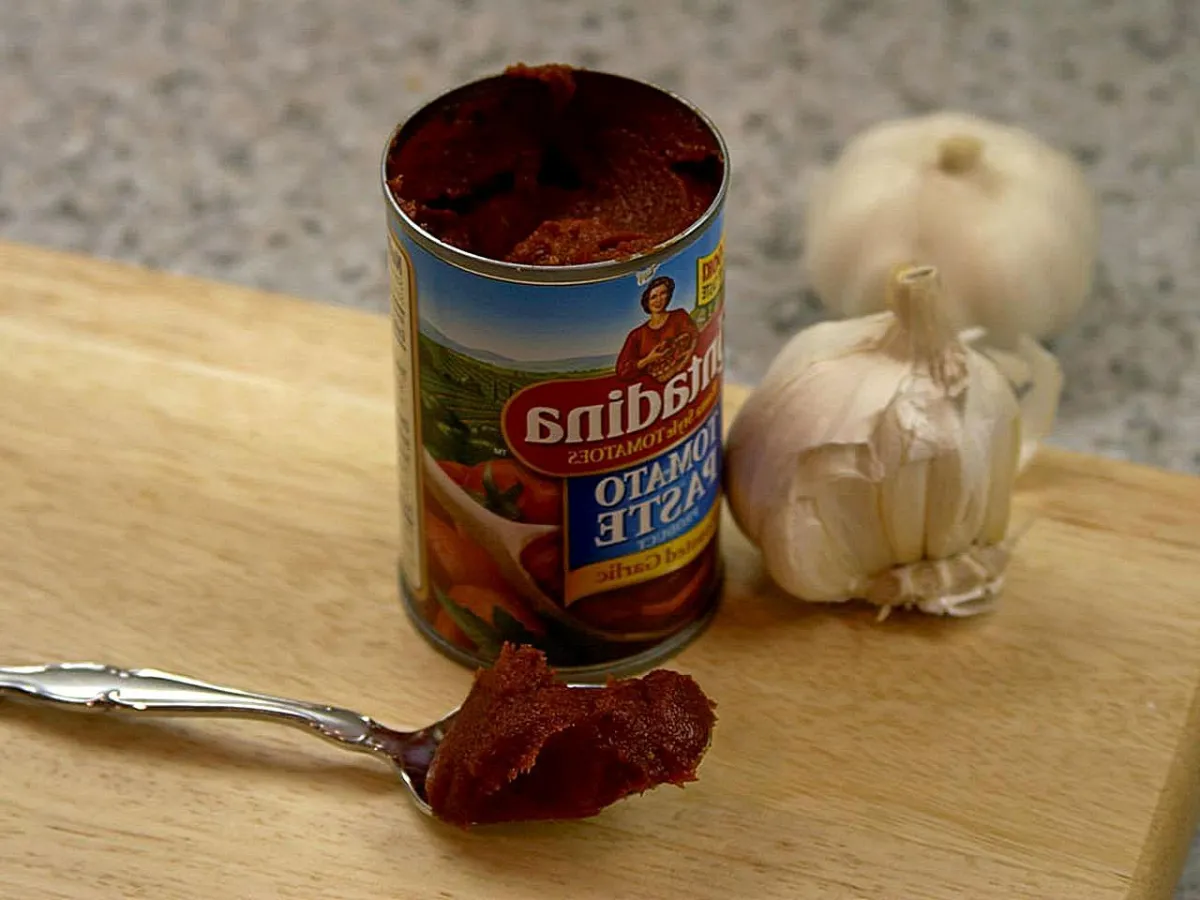
- 1 can (6 oz) tomato paste
- ½ cup water
- 2 tablespoons apple cider vinegar
- 2 tablespoons white vinegar
- 3 tablespoons brown sugar (or white sugar, honey, or maple syrup)
- ½ teaspoon onion powder
- ½ teaspoon garlic powder
- ¾ teaspoon salt
- ¼ teaspoon ground allspice
- ⅛ teaspoon ground cloves
- ⅛ teaspoon ground cinnamon
- ⅛ teaspoon black pepper
- Pinch of celery salt (optional but recommended)
Step-by-Step Instructions
- Whisk the base. In a medium saucepan, combine the tomato paste and water. Whisk vigorously until completely smooth with no lumps remaining. This is the foundation of your catsup, so take an extra minute to get it perfectly smooth.
- Add the vinegar and sweetener. Pour in both vinegars and the brown sugar. Whisk again until the sugar dissolves and the mixture is uniform in color and texture.
- Season generously. Add the onion powder, garlic powder, salt, allspice, cloves, cinnamon, black pepper, and celery salt if using. Stir well to distribute the spices evenly throughout.
- Heat and simmer. Place the saucepan over medium-low heat. Bring to a gentle simmer and cook for 10 to 15 minutes, stirring occasionally. The mixture will darken slightly and the flavors will meld together beautifully during this time.
- Taste and refine. Remove from heat and taste your catsup. This is where you make it yours. Want it sweeter? Add a bit more sugar. Tangier? Another splash of vinegar. More savory? A pinch more salt. The beauty of learning how to make catsup with tomato paste is the instant feedback — you can adjust and taste immediately.
- Cool and bottle. Let the catsup cool to room temperature. It will thicken as it cools. Transfer to a clean glass jar, squeeze bottle, or airtight container and refrigerate.
Yield: Approximately 1 cup of finished catsup.
No-Cook Variation: Emergency Catsup in 5 Minutes
In a real pinch, you can skip the cooking step entirely. Simply whisk all the ingredients together in a bowl until smooth, then refrigerate for at least 30 minutes to let the flavors come together. The taste will not be quite as developed as the cooked version, but it is a perfectly serviceable catsup that you can have ready in minutes. The spices need a bit of time to bloom, so letting it rest in the fridge before serving makes a noticeable difference.
Choosing the Right Tomato Paste
Not all tomato paste is created equal. Here are some tips for selecting the best option for your homemade catsup:
- Check the ingredients. The best tomato paste contains only tomatoes — no added salt, sugar, citric acid, or preservatives. Brands like Mutti, Cento, and Bionaturae are consistently excellent.
- Consider tube tomato paste. Sold in squeeze tubes rather than cans, tube tomato paste is often double-concentrated, meaning even more intense tomato flavor. If using double-concentrated paste, reduce the amount by about one-third and increase the water slightly.
- Go organic if possible. Tomatoes are one of the crops most commonly treated with pesticides. Since tomato paste is highly concentrated, organic versions can be a worthwhile investment.
Customization Ideas
This basic catsup recipe with tomato paste is a blank canvas for creativity. Here are some ways to customize it:
- Smoky catsup: Add ½ teaspoon smoked paprika and a few drops of liquid smoke for a barbecue-ready condiment.
- Honey catsup: Replace the brown sugar with an equal amount of honey for a milder, more nuanced sweetness.
- Spicy catsup: Stir in sriracha, cayenne, or minced jalapeños. See our full spicy catsup recipe for detailed heat-level options.
- Keto version: Swap the sugar for erythritol or monk fruit sweetener. Our sugar-free catsup recipe has complete details and nutritional information.
- Curry catsup: Add a tablespoon of curry powder for a German-inspired curry catsup that is perfect with bratwurst.
Storage and Shelf Life
This tomato paste catsup keeps for 3 to 4 weeks in the refrigerator when stored in a sealed glass jar or bottle. For longer preservation, you can freeze it in ice cube trays and then transfer the frozen cubes to a zip-top bag — each cube is roughly one tablespoon, making it easy to thaw only what you need. For shelf-stable canning, visit our catsup canning guide.
Frequently Asked Questions
Is tomato paste catsup as good as catsup made from fresh tomatoes?
They are different but both excellent. Catsup from tomato paste is quicker and more consistent, while catsup from fresh tomatoes has a brighter, more vibrant flavor. Many experienced catsup makers keep both recipes in rotation depending on the season and how much time they have.
Can I use tomato sauce instead of tomato paste?
You can, but you will need to simmer it much longer to achieve the right consistency. Tomato sauce has a much higher water content than paste. If you go this route, use about 2 cups of tomato sauce, skip the added water, and plan to simmer for 30 to 45 minutes until it reduces by roughly half.
Why does my homemade catsup taste different from store-bought?
Store-bought catsup contains high-fructose corn syrup and a carefully engineered blend of ingredients designed for mass appeal. Your homemade version will taste fresher and more complex. If you want to get closer to that commercial flavor, increase the sugar slightly and add a pinch of MSG or a splash of Worcestershire sauce.
Explore our full collection of homemade catsup recipes for more delicious variations and techniques.