
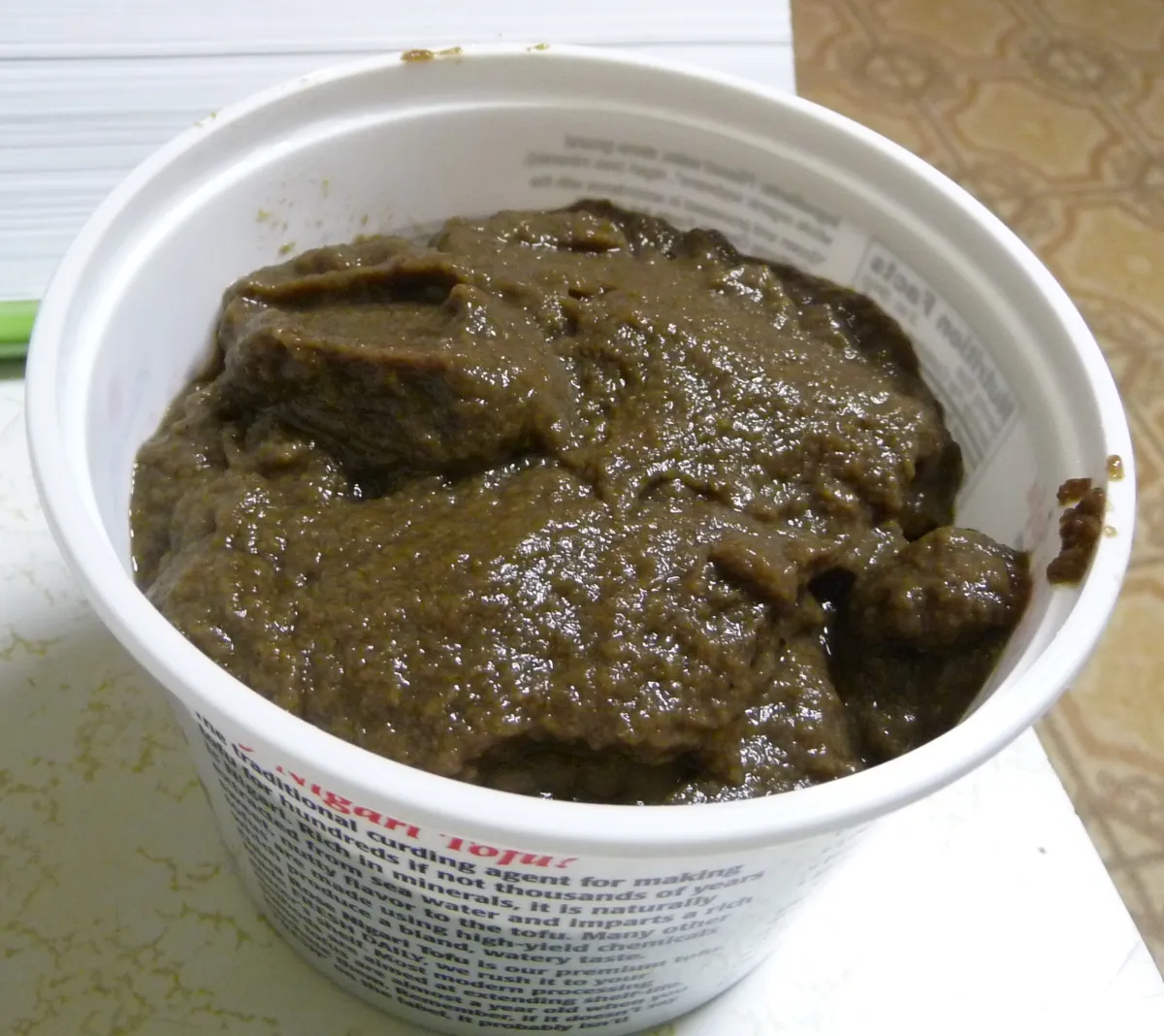
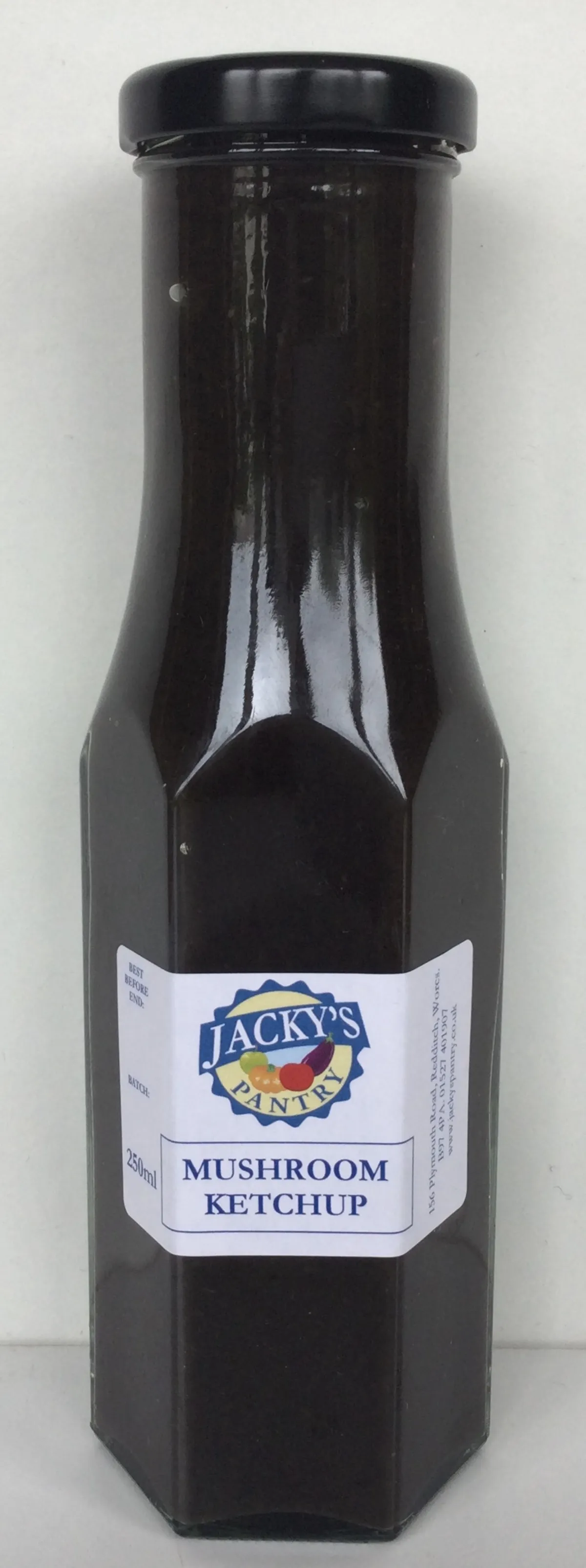
What is mushroom catsup? Long before tomatoes arrived in Europe, the word “catsup” referred to a thin, dark, savory sauce — and the original versions were often made from mushrooms, not tomatoes. Mushroom catsup is a deeply flavored, umami-rich condiment made by salting mushrooms to extract their liquid, then simmering that liquid with vinegar, spices, and aromatics until concentrated and intensely savory. This authentic mushroom catsup recipe revives a centuries-old British tradition that deserves a place in every modern kitchen.
The History of Mushroom Catsup
The word “ketchup” or “catsup” likely derives from the Chinese word “kê-tsiap,” a fermented fish sauce from Southeast Asia. When British traders encountered it in the 17th century, they brought the concept home and adapted it using local ingredients — primarily mushrooms and walnuts. Mushroom catsup was the dominant form of catsup in England for over 200 years, from the early 1700s through the late 1800s.
It was not until the mid-19th century that tomato-based catsup began to overtake the mushroom variety in popularity, particularly in America. Today, mushroom catsup has experienced a quiet renaissance among food historians, chefs, and home cooks drawn to its extraordinary depth of flavor. It tastes nothing like tomato catsup — think of it more as a liquid seasoning, similar to Worcestershire sauce or soy sauce, but with a rich, earthy mushroom character.
Traditional Mushroom Catsup Recipe
This recipe follows the traditional two-stage process: first extracting liquid from the mushrooms through salting, then simmering and reducing that liquid into a concentrated condiment. The process takes about two days but requires very little active work.
Ingredients
- 2 pounds fresh mushrooms (cremini, button, or a mix — wild mushrooms add extra complexity)
- 3 tablespoons sea salt (non-iodized)
- 1 cup malt vinegar or red wine vinegar
- 1 small shallot, finely minced
- 2 cloves garlic, smashed
- 1 teaspoon whole black peppercorns
- 4 whole cloves
- 4 whole allspice berries
- 1 small piece fresh ginger (about 1 inch), sliced
- 1 bay leaf
- ½ teaspoon ground mace or nutmeg
- ¼ teaspoon cayenne pepper (optional)
- 1 anchovy fillet (optional — adds depth without a fishy taste)
Step-by-Step Instructions
- Break down the mushrooms. Tear or roughly chop the mushrooms into small pieces. Do not wash them — simply brush off any dirt with a damp cloth or soft brush. Place them in a large non-reactive bowl (glass, ceramic, or stainless steel).
- Salt the mushrooms. Sprinkle the salt over the mushrooms and toss to coat. Cover the bowl with a clean kitchen towel or plastic wrap. Let sit at room temperature for 24 hours, stirring and pressing down the mushrooms two or three times during this period. The salt will draw out a surprising amount of dark, flavorful liquid.
- Extract the liquid. After 24 hours, the mushrooms will have released a significant pool of dark liquid. Strain the mixture through a fine-mesh strainer lined with cheesecloth, pressing firmly on the mushrooms to extract every drop of liquid. You should have approximately 1½ to 2 cups. Discard the mushroom solids or save them for another use — they make an excellent addition to stocks and gravies.
- Simmer with aromatics. Pour the mushroom liquid into a medium saucepan. Add the vinegar, shallot, garlic, peppercorns, cloves, allspice berries, ginger, bay leaf, mace, cayenne, and anchovy if using. Bring to a gentle boil over medium heat.
- Reduce and concentrate. Lower the heat and simmer gently for 30 to 40 minutes until the liquid has reduced by approximately half. It should be dark, fragrant, and intensely flavored.
- Strain and bottle. Strain the finished catsup through a fine-mesh strainer into a clean glass bottle or jar, pressing on the solids to extract all the liquid. Discard the spice solids.
- Cool and store. Let the mushroom catsup cool completely, then seal tightly and refrigerate.
Yield: Approximately 1 cup of finished mushroom catsup.
How to Use Mushroom Catsup
Mushroom catsup is not used the same way as tomato catsup. Think of it as a liquid seasoning or finishing sauce — a little goes a long way. Here are the best ways to use it:
- Season steaks and roasts. A few dashes in a pan sauce or directly on grilled steak adds extraordinary depth and savory richness.
- Enhance gravies and stews. Add a tablespoon to beef stew, mushroom soup, or gravy for a deeper, more complex flavor.
- Boost Bloody Marys. Replace Worcestershire sauce with mushroom catsup for a unique twist on the classic cocktail.
- Marinate meats. Combine with olive oil, garlic, and herbs for a powerful marinade for beef, lamb, or venison.
- Finish scrambled eggs. A few drops transform simple scrambled eggs into something remarkable.
- Season pie fillings. Traditional British meat pies benefit enormously from a splash of mushroom catsup in the filling.
Choosing the Best Mushrooms
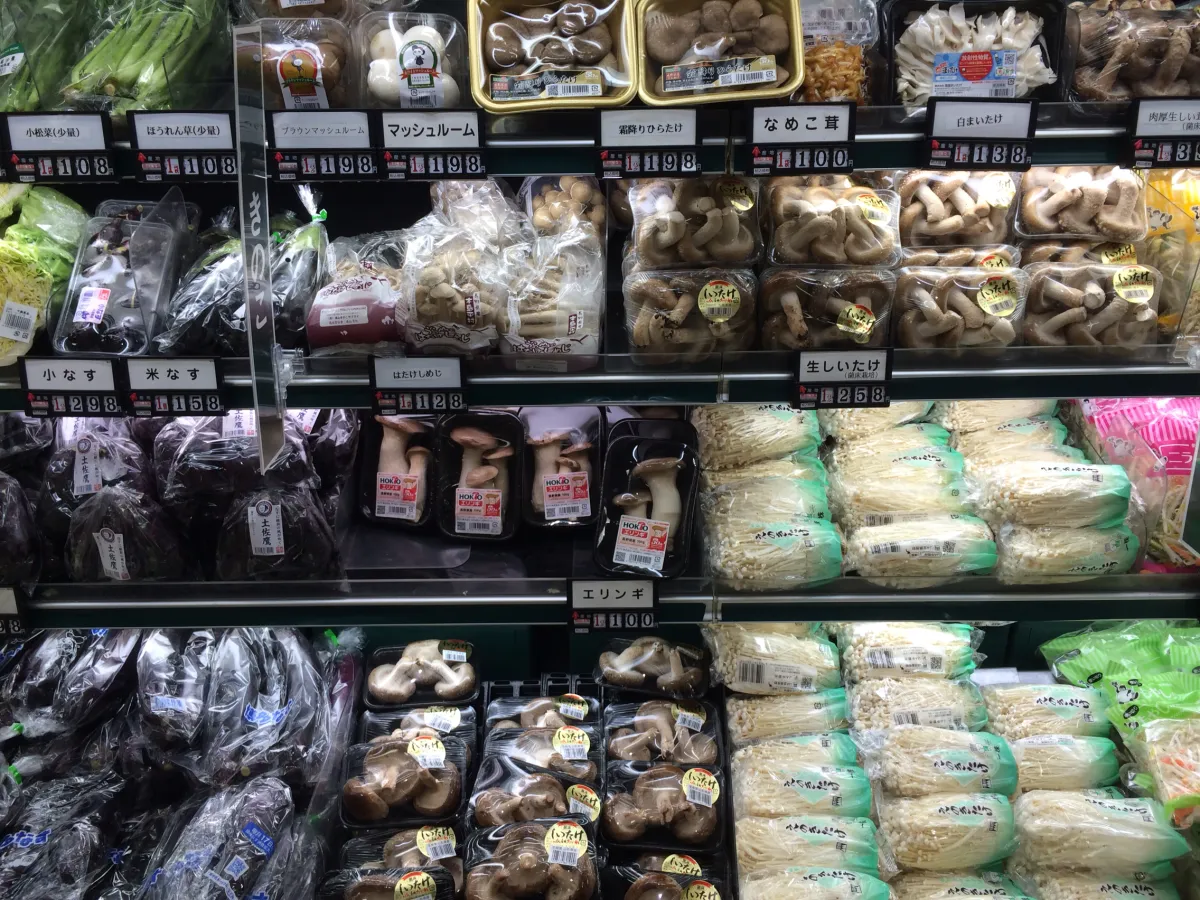
While common button or cremini mushrooms work perfectly well, experimenting with different varieties can produce catsup with extraordinary complexity:
- Cremini or baby bella: The best all-around choice. More flavor than white button mushrooms and widely available.
- Portobello: Essentially mature cremini. They produce a lot of liquid and have a robust, meaty flavor.
- Shiitake: Adds a distinct, slightly smoky depth. Use up to 25% shiitake in your blend.
- Porcini: The gold standard for umami-rich mushroom catsup. Expensive fresh, but a handful of dried porcini rehydrated and added to the mix makes a huge difference.
- Wild mushrooms: Chanterelles, morels, or maitake produce exceptional catsup but at a premium price. Consider mixing wild mushrooms with cremini to stretch the batch.
Tips for the Best Mushroom Catsup
- Do not skip the salting stage. This is the most important step. The salt breaks down the cell walls and extracts the concentrated essence of the mushrooms. Patience here is rewarded with dramatically better flavor.
- Use non-iodized salt. Iodized salt can give a metallic taste to fermented and cured preparations. Sea salt, kosher salt, or pickling salt all work well.
- Press firmly when straining. You want every last drop of that liquid gold. A potato ricer works even better than a spoon for pressing the mushrooms.
- Age it if you can. Mushroom catsup improves with age. After a week in the fridge, the flavors become more harmonious and rounded. Some historical recipes recommended aging for months.
Frequently Asked Questions
Does mushroom catsup taste like regular catsup?
Not at all. Mushroom catsup is a thin, dark, intensely savory liquid — closer to soy sauce or Worcestershire sauce than to tomato catsup. It is used as a seasoning rather than a dipping sauce. For a tomato-based condiment, see our classic homemade catsup recipe.
How long does mushroom catsup last?
Thanks to its high salt and vinegar content, mushroom catsup keeps for 2 to 3 months in the refrigerator and can last even longer. Historically, it was kept at room temperature for extended periods, though refrigeration is recommended for modern food safety standards.
Is mushroom catsup vegan?
This recipe is vegan if you omit the optional anchovy fillet. Without it, the catsup is still extraordinarily flavorful — the mushrooms provide plenty of umami on their own.
Explore more unique condiments in our complete catsup recipe collection, including banana catsup — another non-tomato variety with a fascinating history — and fermented catsup for a probiotic-rich twist on the classic.