One of the most common kitchen debates revolves around a simple question: does catsup need to be refrigerated? You have probably seen catsup sitting on restaurant tables at room temperature for hours, yet most people store it in the fridge at home. So which approach is correct? The answer depends on several factors, including whether the bottle has been opened, how quickly you use it, and your personal preferences for taste and texture. In this comprehensive guide to catsup refrigeration, we will settle the debate once and for all and help you make the best storage decision for your household.
The Great Catsup Refrigeration Debate
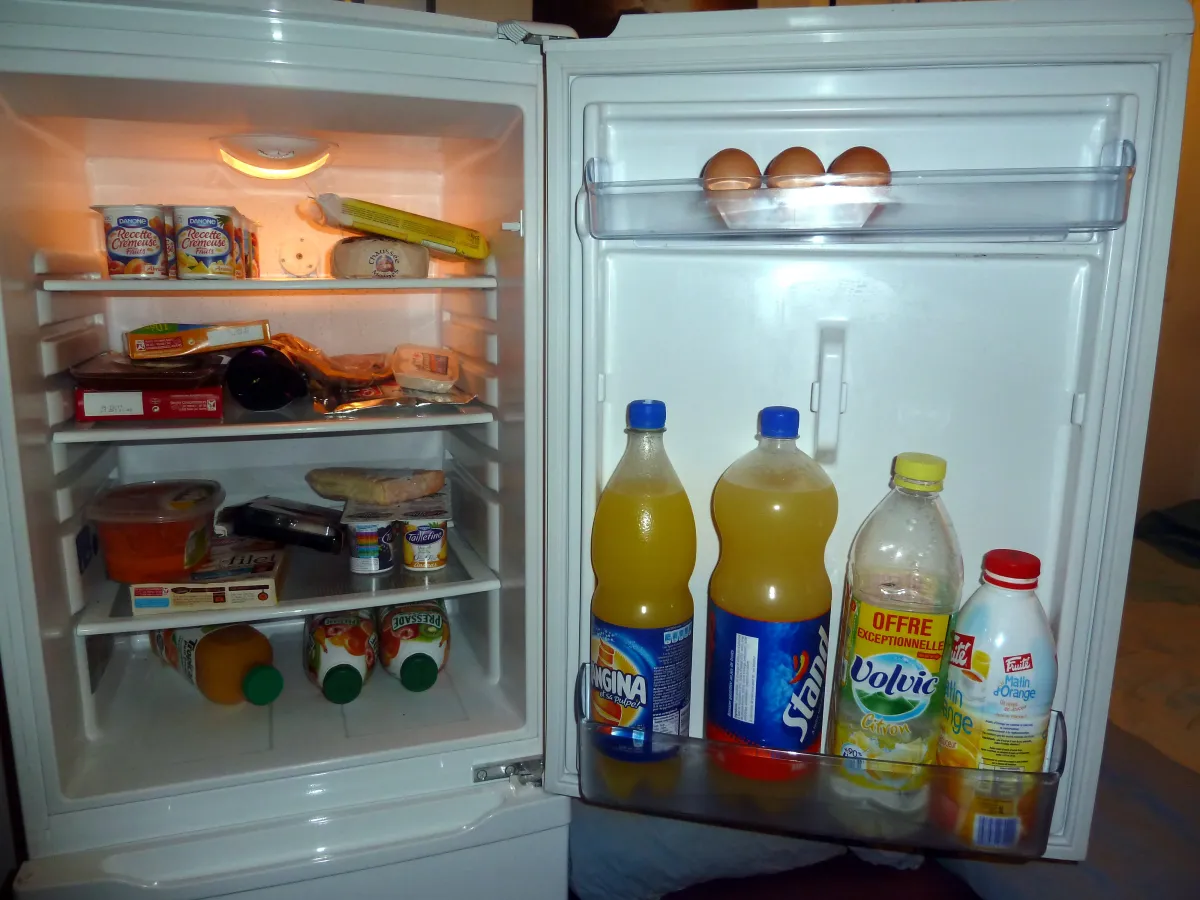
Walk into any diner in America and you will find bottles of catsup sitting on the counter, unrefrigerated, all day long. Visit most homes, however, and the catsup lives firmly on the refrigerator door shelf. This contradiction has fueled an ongoing discussion: should catsup be refrigerated, or is room-temperature storage perfectly safe? The truth is that both approaches have merit, but understanding the science behind catsup preservation will help you make an informed choice.
What Makes Catsup Shelf-Stable?
Catsup is a remarkably resilient condiment thanks to its unique combination of ingredients. Vinegar, a key component, creates an acidic environment that inhibits bacterial growth. Sugar and salt act as natural preservatives by reducing the water activity in the product. Tomatoes themselves contribute additional acidity. Together, these ingredients give catsup a naturally low pH, typically between 3.5 and 3.9, which makes it inhospitable to most harmful microorganisms. This is why an unopened bottle of catsup can sit in your pantry for months without any issues.
Does Catsup Need to Be Refrigerated? The Official Answer
Most major catsup manufacturers, including Heinz, recommend refrigerating their product after opening. The label on virtually every bottle of catsup sold in supermarkets includes the instruction “Refrigerate after opening.” While catsup refrigeration is not strictly necessary for food safety in the short term, it does play an important role in maintaining quality. Cold temperatures slow down natural degradation processes, preserving the bright red color, tangy flavor, and smooth consistency that you expect from your favorite condiment.
Unopened Catsup Storage
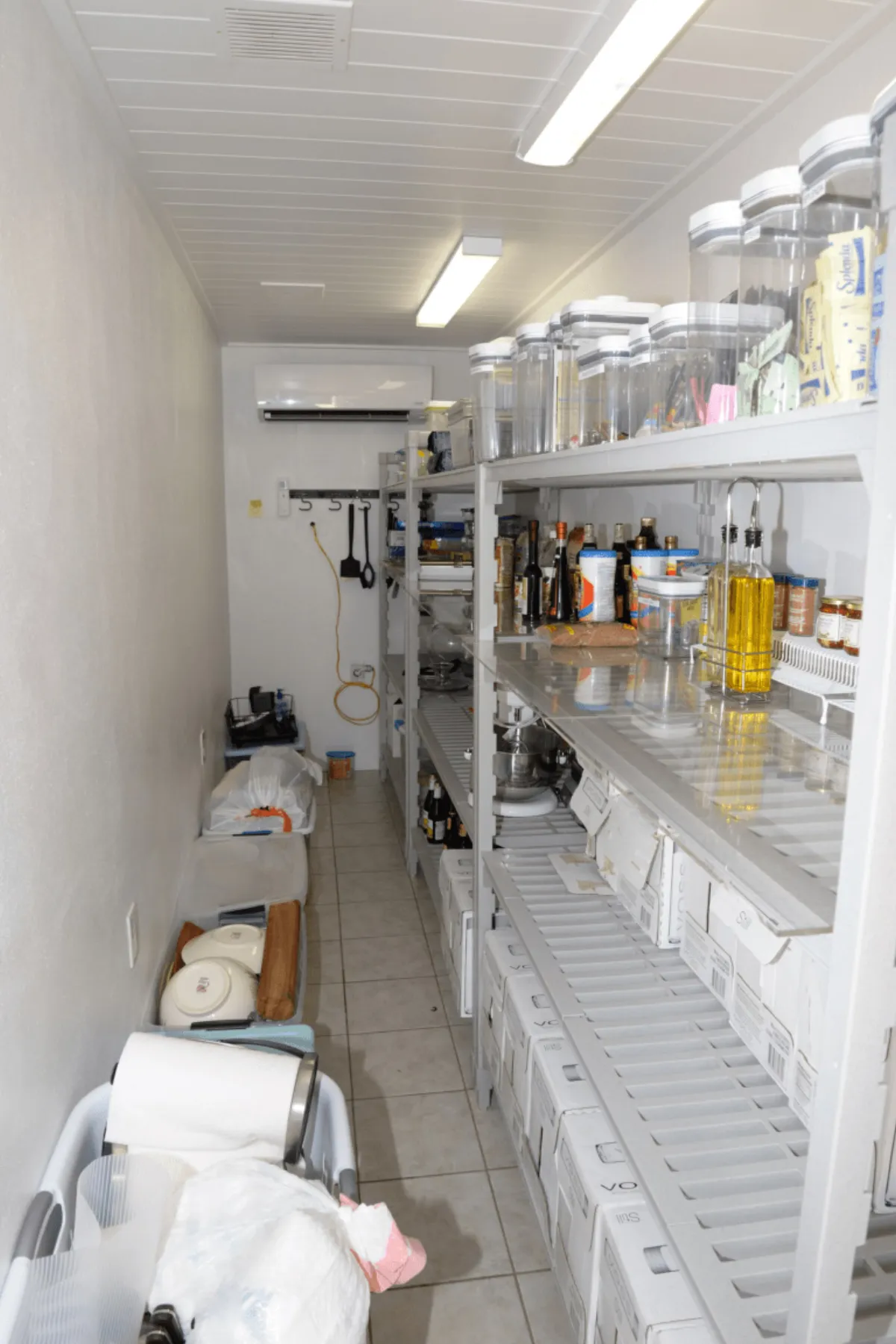
An unopened bottle of catsup is perfectly fine stored in a cool, dark pantry or cupboard. The sealed container prevents exposure to air and contaminants, and the natural preservatives do their job effectively. Most unopened bottles carry a best-by date of one to two years from the manufacturing date. There is no need to take up valuable refrigerator space with unopened catsup. Simply store it away from direct sunlight and heat sources, such as above the stove or near a window.
Opened Catsup: Refrigerator or Counter?
Once you break the seal, the equation changes. Exposure to air introduces oxygen and potential contaminants that can gradually degrade the product. Should catsup be refrigerated after opening? For the best quality and longest shelf life, yes. Refrigeration slows oxidation, which can cause the catsup to darken in color and develop off-flavors over time. If you want to learn more about what happens after you open a bottle, check out our detailed guide on whether catsup should be refrigerated after opening.
How Long Does Catsup Last?
The shelf life of catsup varies significantly based on how you store it. An unopened bottle stored in the pantry typically stays at peak quality for 12 to 18 months past the production date. Once opened and refrigerated, catsup generally remains good for six to nine months. Left at room temperature after opening, quality begins to decline within about a month, though it may remain safe to consume for longer. For a deeper exploration of catsup expiration and spoilage signs, visit our page on catsup shelf life and expiration.
Room Temperature vs. Refrigerated: Taste and Texture
Beyond safety and longevity, there is a practical consideration many people overlook: taste and texture. Cold catsup straight from the fridge has a thicker consistency and a slightly muted flavor profile. Room-temperature catsup flows more easily and delivers a more pronounced tangy-sweet taste. Some catsup enthusiasts argue that the condiment is best enjoyed at room temperature for maximum flavor impact, especially on hot foods like french fries and burgers where cold catsup can lower the temperature of the dish.
A practical compromise is to store your catsup in the refrigerator but take it out 15 to 20 minutes before serving. This allows it to warm slightly, improving both flow and flavor while still benefiting from cold storage the rest of the time.
Restaurant Catsup: Why Is It Left Out?
If catsup refrigeration is recommended, why do restaurants leave bottles on the table all day? The answer lies in turnover rate. Busy restaurants go through catsup extremely quickly. A bottle that sits on a table might be emptied within a day or two, well within the safe window for room-temperature storage. Additionally, restaurants often consolidate bottles at the end of each shift and rotate stock to ensure freshness. Health codes in most jurisdictions permit this practice as long as the bottles are properly maintained and replaced regularly.
Tips for Optimal Catsup Storage
- Always check the label for specific storage instructions from the manufacturer.
- Keep the cap clean and tightly sealed after every use to minimize air exposure and prevent contamination.
- Store upside down in the fridge to keep the catsup near the opening for easy dispensing and to create a natural seal against air.
- Never return used catsup to the bottle. If you pour some into a dish and do not use it all, discard the excess.
- Watch for signs of spoilage including unusual odor, mold, separation, or a notably darker color.
Can You Freeze Catsup?
If you have purchased catsup in bulk or want to extend its life even further, freezing is an option worth considering. While it does change the texture slightly, frozen catsup can last for much longer than refrigerated catsup. We have a complete guide on whether you can freeze catsup that covers the best methods and what to expect.
The Bottom Line on Catsup Refrigeration
So, does catsup need to be refrigerated? Strictly speaking, no — catsup will not become dangerous if left at room temperature for a reasonable period. However, should catsup be refrigerated? For the best quality, flavor preservation, and longest shelf life, absolutely yes. Refrigeration after opening is a simple step that keeps your catsup tasting fresh and looking vibrant for months. Unless you are going through a bottle in a week or two, the fridge is your best bet.
Whether you are a devoted refrigerator or a countertop loyalist, the most important things are to keep the bottle sealed, watch for signs of spoilage, and enjoy your catsup however you like it best. Explore the rest of our catsup storage guides to learn everything you need to know about keeping your favorite condiment at its best.
An unopened bottle of catsup can be safely stored in a cool, dark pantry. However, once opened, manufacturers like Heinz recommend refrigerating catsup to maintain its quality, color, and flavor. While the high acidity from vinegar and tomatoes prevents harmful bacterial growth at room temperature, refrigeration significantly extends the shelf life and keeps the condiment tasting fresh.
Opened catsup stored in the refrigerator typically stays at peak quality for 6 to 9 months. If left at room temperature after opening, quality begins to decline within about a month, though it may remain safe to consume for longer. Always check for signs of spoilage such as unusual odor, mold, or significant darkening before using catsup that has been open for an extended period.
Yes, catsup can eventually go bad, though its high acidity and sugar content make it one of the more shelf-stable condiments. Signs that catsup has spoiled include visible mold, an off or fermented smell, significant separation of liquid, or a noticeably darker color. If you observe any of these signs, it is best to discard the bottle and open a fresh one.
The date printed on a catsup bottle is typically a “best by” date indicating peak quality, not a strict safety deadline. Catsup consumed shortly after this date is generally safe as long as it has been properly stored and shows no signs of spoilage. However, the flavor, color, and texture may degrade over time, so for the best experience, try to use catsup within the recommended timeframe.