
You just cracked open a fresh bottle of catsup, squeezed some onto your plate, and now you are wondering: should catsup be refrigerated after opening? It is one of the most frequently asked questions in the kitchen, and the answer matters more than you might think. While that sealed bottle was perfectly happy in your pantry, once the cap comes off, the clock starts ticking on freshness and quality. In this guide, we break down exactly what happens to catsup after opening, why refrigeration is strongly recommended, and how to get the most life out of every bottle.
What Happens When You Open a Bottle of Catsup?
The moment you break the seal on a bottle of catsup, you introduce two elements that were previously kept out: air and potential contaminants. Oxygen begins the process of oxidation, which gradually breaks down the pigments and flavor compounds that give catsup its vibrant red color and characteristic tangy-sweet taste. Every time you open the cap, squeeze out some catsup, and close it again, you are cycling fresh air into the bottle. Over time, this repeated exposure accelerates quality degradation.
Additionally, each use creates an opportunity for bacteria, yeasts, and molds to enter the bottle. While catsup’s naturally acidic environment (pH between 3.5 and 3.9) makes it inhospitable to most harmful pathogens, some microorganisms can still thrive given enough time and the right temperature conditions. This is the primary reason manufacturers recommend that catsup be refrigerated after opening.
Should Catsup Be Refrigerated After Opening? The Definitive Answer
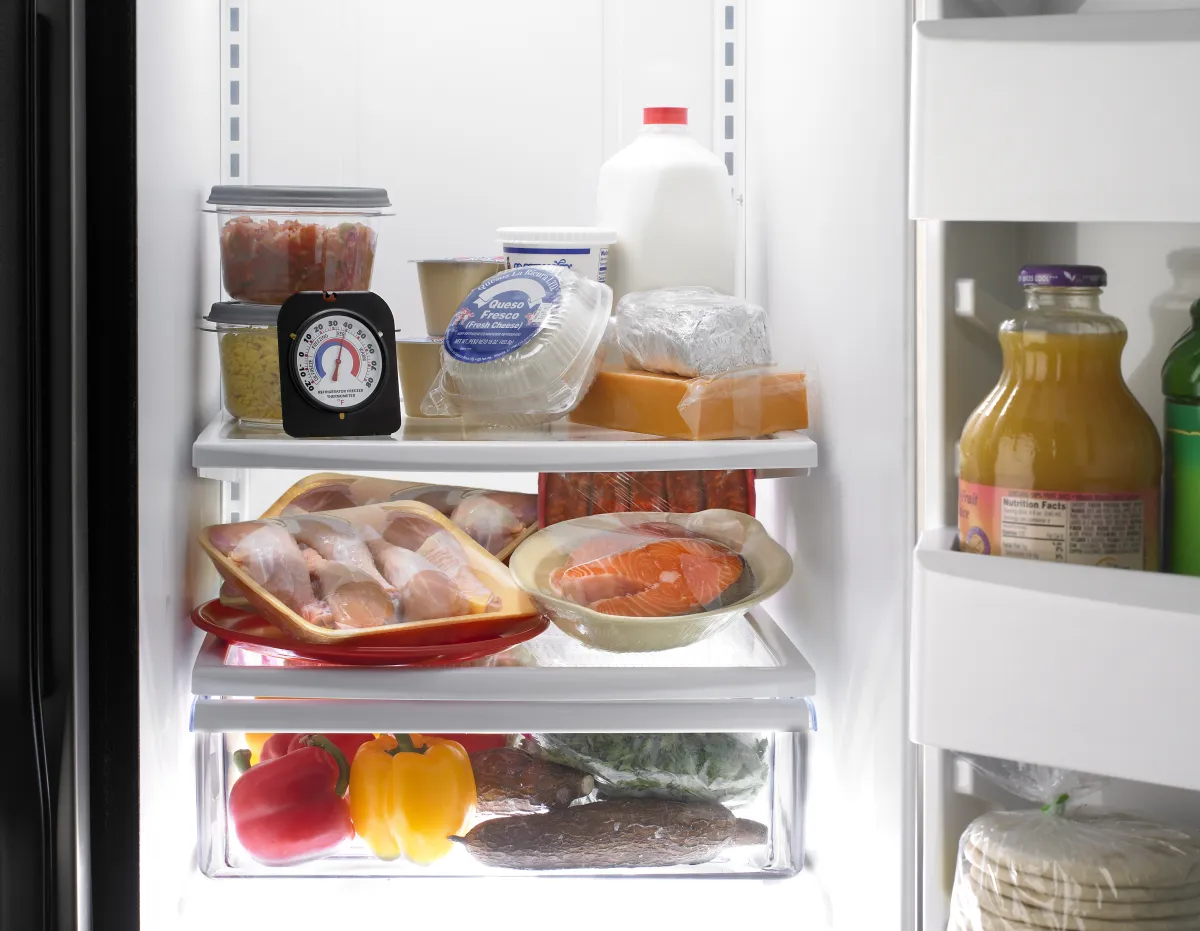
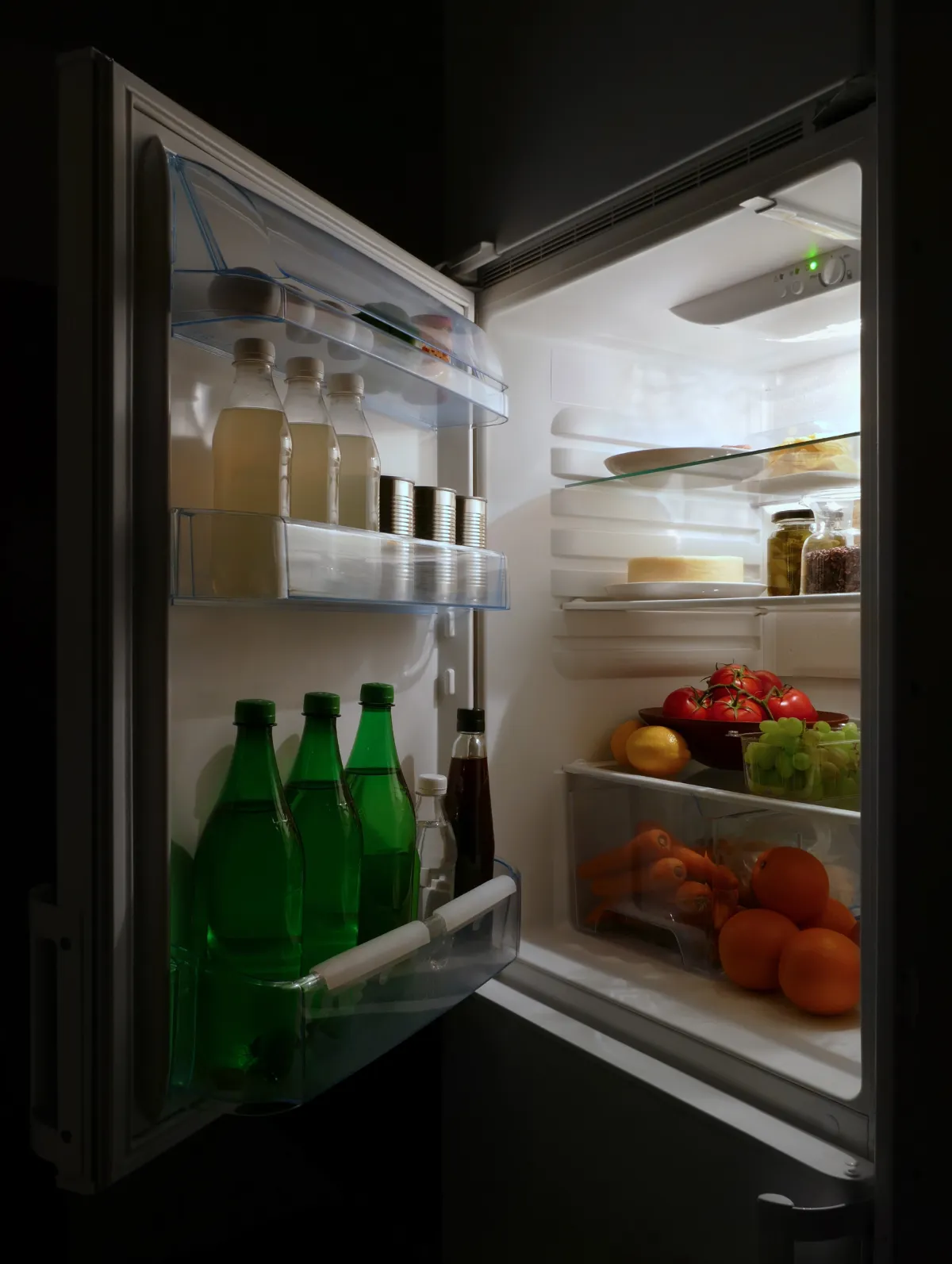
Yes, catsup should be refrigerated after opening for optimal quality and safety. Every major catsup manufacturer prints this recommendation directly on their labels, and food safety experts consistently agree. Refrigeration temperatures, typically between 35 and 40 degrees Fahrenheit, dramatically slow the chemical and biological processes that cause catsup to deteriorate. Cold storage preserves the bright red color, maintains the balanced flavor profile, and extends the usable life of the product by several months.
That said, it is important to understand that leaving opened catsup at room temperature for short periods is not dangerous. If you forget to put the bottle back in the fridge after dinner, or if it sits on the table during a barbecue, there is no need to throw it away. The concern is more about cumulative exposure over days and weeks rather than a few hours here and there.
How Long Can Opened Catsup Stay Unrefrigerated?
Once opened, catsup can safely remain at room temperature for about one month before noticeable quality changes begin. During this window, the acidity and preservatives in the formula continue to provide protection. However, you may start to observe subtle changes even within this period. The color may darken slightly around the opening where exposure to air is greatest. The flavor may become a bit more acidic or flat as volatile aromatic compounds escape.
After a month at room temperature, the changes become more pronounced. The catsup may separate, with a watery liquid pooling on top. The color deepens from bright red to a darker, brownish-red tone. While these changes are primarily cosmetic and flavor-related rather than safety concerns, they indicate that the product is past its prime. For more detailed information on how to tell when your catsup has gone bad, check out our guide on catsup shelf life and expiration.
Refrigerated vs. Unrefrigerated: A Side-by-Side Comparison
To illustrate the impact of refrigeration, consider this comparison. An opened bottle of catsup stored in the refrigerator will maintain peak quality for six to nine months. The same bottle left on the counter will begin declining in quality within four to six weeks. That is a massive difference in usable life, and it comes down to simple temperature control.
Refrigerated catsup retains its bright red color, smooth texture, and balanced sweet-tangy flavor throughout its shelf life. Unrefrigerated catsup gradually darkens, may develop a slightly fermented taste, and can become thinner or separated. The nutritional content also degrades faster at room temperature, as heat and light accelerate the breakdown of vitamins like lycopene and vitamin C.
The Science Behind Catsup Preservation
Understanding why catsup should be refrigerated after opening requires a quick look at food science. Catsup contains several natural and added preservatives that work together to maintain stability. Vinegar (acetic acid) lowers the pH to levels where most bacteria cannot survive. Sugar binds water molecules, reducing the available moisture that microorganisms need to grow. Salt further inhibits bacterial activity. These preservatives are remarkably effective, which is why catsup is one of the safer condiments to leave out temporarily.
However, these defenses are not impenetrable. Certain acid-tolerant yeasts and molds can colonize catsup over time, especially when exposed to warmth and air. Refrigeration adds another layer of protection by slowing the metabolic rate of any organisms that do manage to gain a foothold. Think of it as a defense-in-depth strategy: the preservatives are the first line, and cold temperature is the reinforcement.
Best Practices for Storing Opened Catsup
- Return to the fridge promptly. After using catsup, put it back in the refrigerator as soon as possible. Do not leave it sitting on the dinner table for the entire meal if you can avoid it.
- Wipe the cap and threads. Dried catsup residue around the cap creates gaps that allow air in and can harbor bacteria. A quick wipe with a clean cloth keeps the seal tight.
- Store upside down. Keeping the bottle inverted creates a natural barrier of catsup at the opening, reducing air contact with the main body of sauce.
- Use clean utensils. If you are scooping catsup from a glass bottle, always use a clean knife or spoon. Introducing food particles from other items accelerates spoilage.
- Do not mix old and new. When you open a new bottle, resist the temptation to pour the remains of an old bottle into it. The older catsup could contaminate the fresh batch.
What About Catsup Packets?
Individual catsup packets, like the ones you get from fast-food restaurants, follow slightly different rules. Because each packet is a sealed, single-use container, they are essentially unopened until you tear them open. Unopened catsup packets can safely be stored at room temperature for six to nine months. Once opened, they should be used immediately and any leftover sauce discarded. Their small volume means they have a much higher surface-area-to-volume ratio, making them more susceptible to rapid quality loss once exposed to air.
Can You Extend the Life Even Further?
If you find yourself with more catsup than you can use within the recommended refrigerated shelf life, freezing is an option. While it does alter the texture slightly, frozen catsup retains its flavor well and can last for months beyond what refrigeration alone provides. Visit our guide on freezing catsup for step-by-step instructions and tips.
The Bottom Line
Should catsup be refrigerated after opening? Absolutely. While catsup’s natural preservatives make it safer than many other condiments when left out, refrigeration significantly extends its quality and usable life. A bottle that might last a month on the counter can stay fresh for six months or more in the fridge. It is a simple habit that ensures every squeeze delivers the bright, tangy, delicious catsup you expect. For a broader look at catsup storage practices, visit our main catsup storage hub.