
That bottle of catsup has been sitting in your fridge for a while now, and you are starting to wonder: does catsup go bad? Or maybe you found a forgotten bottle in the back of the pantry and you are asking yourself does catsup expire? These are practical questions that every household faces sooner or later. The good news is that catsup is one of the most shelf-stable condiments in your kitchen. The less-good news is that it does not last forever. In this guide, we cover everything you need to know about catsup shelf life, including how long catsup is good after opening, how to spot signs of spoilage, and when it is time to toss that bottle.
Does Catsup Expire?
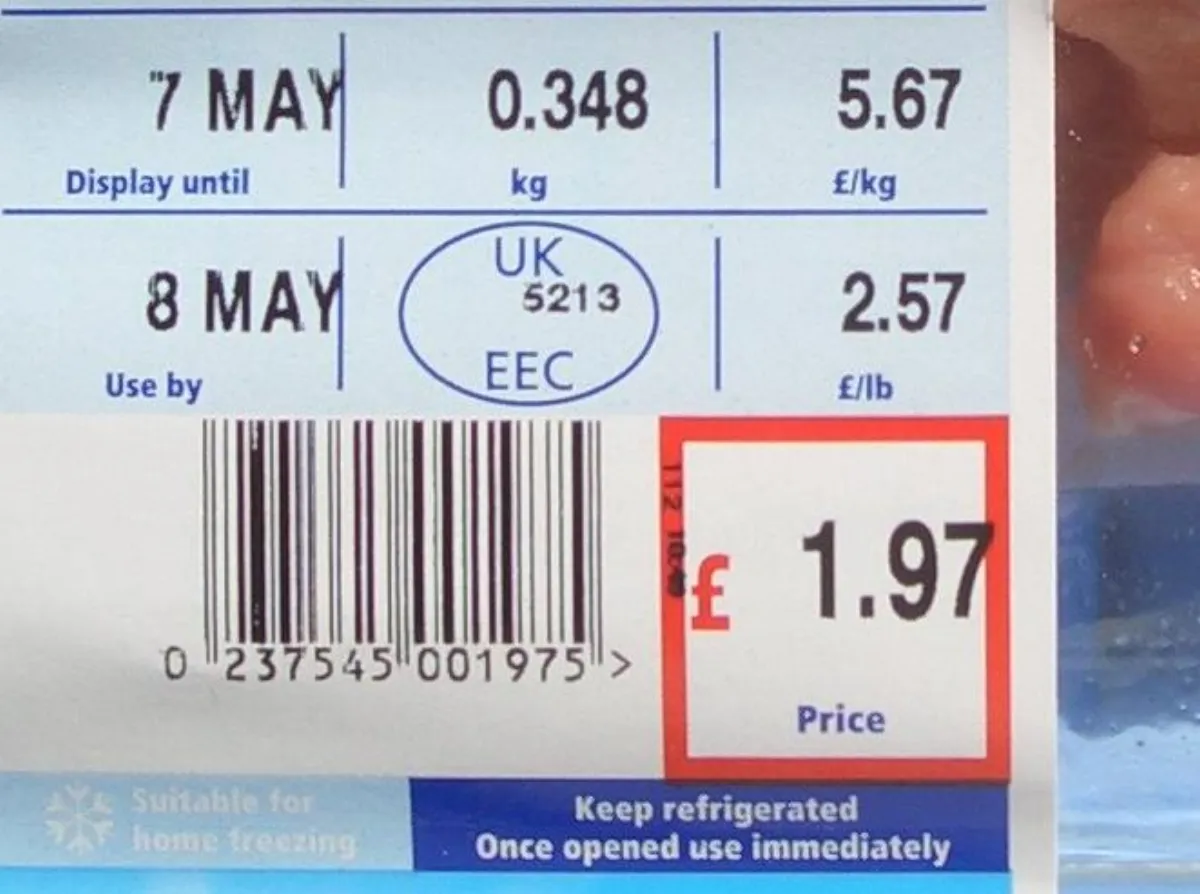
Yes, catsup does expire, but perhaps not in the way you might think. The date printed on most catsup bottles is a “best by” or “use by” date, not a hard expiration date. This date indicates when the manufacturer expects the product to be at peak quality in terms of flavor, color, and texture. It does not mean the catsup suddenly becomes unsafe to eat the day after that date passes.
In reality, unopened catsup often remains perfectly good for several months past its printed date when stored properly in a cool, dark location. The natural preservatives in catsup, including vinegar, sugar, and salt, continue working long after the best-by date. However, quality does gradually decline, and at some point the catsup simply will not taste as good as it should. That is when it is time to replace it.
How Long Is Catsup Good After Opening?
This is the question most people really want answered. How long is catsup good after opening depends primarily on how you store it. Here is a general timeline based on storage conditions.
When stored in the refrigerator after opening, catsup typically maintains its best quality for six to nine months. Some brands may last even longer, up to a year, depending on their specific formulation and preservative levels. During this period, the catsup should look, smell, and taste essentially the same as when you first opened it.
When kept at room temperature after opening, catsup’s quality window shrinks dramatically to about one month. After that, you will start noticing changes in color, consistency, and flavor. The catsup remains technically safe for a while longer, but the eating experience diminishes rapidly. For detailed guidance on refrigeration practices, visit our page on whether catsup should be refrigerated after opening.
Does Catsup Go Bad? Signs of Spoilage
While catsup does go bad eventually, it gives you plenty of warning signs before reaching that point. Knowing what to look for helps you make an informed decision about whether your catsup is still worth using.
Visual Changes
Fresh catsup has a bright, uniform red color. As it ages, the color gradually deepens to a darker, brownish-red or maroon shade. This darkening is caused by oxidation of the lycopene pigments in the tomatoes and is the most common early indicator of aging. A slight darkening is cosmetic and does not affect safety, but significant color change suggests the catsup is past its prime. Any visible mold growth, which typically appears as fuzzy patches of white, green, or black on the surface, means the entire bottle should be discarded immediately.
Texture and Consistency Changes
Fresh catsup has a smooth, thick, and uniform consistency. Over time, you may notice liquid separation, where a watery layer forms on top of the thicker catsup below. A small amount of separation is normal and can be corrected by shaking the bottle. However, excessive separation, a noticeably thinner or runnier consistency, or a lumpy or grainy texture are signs that the product has degraded beyond its useful life.
Smell and Taste
Catsup should smell tangy, slightly sweet, and tomatoey. If it develops a sour, fermented, or off-putting odor, that is a clear sign that microbial activity has altered the product. Similarly, if the taste has become overly acidic, flat, or simply unpleasant, it is time for a new bottle. Trust your senses. They are remarkably good at detecting food that has gone off.
Shelf Life by Storage Method
Here is a comprehensive breakdown of how long catsup is good under different conditions.
- Unopened, pantry storage: 12 to 18 months past production date, or 6 to 12 months past the printed best-by date.
- Opened, refrigerated: 6 to 9 months for best quality, up to 12 months before noticeable decline.
- Opened, room temperature: 1 month for best quality, up to 2 months before significant decline.
- Frozen: Up to 2 years with minimal flavor loss, though texture may change. See our guide to freezing catsup for details.
- Catsup packets (unopened): 6 to 9 months at room temperature.
Factors That Affect Catsup Shelf Life
Several variables influence how long catsup is good after opening and whether it will reach its expected shelf life.
Ingredient Quality and Formulation
Not all catsup is created equal when it comes to longevity. Products with higher vinegar content tend to last longer due to greater acidity. Organic and natural catsup brands that use fewer preservatives or no high-fructose corn syrup may have a shorter shelf life than conventional varieties. Sugar-free or reduced-sugar versions also tend to spoil faster because sugar is one of the key preservative agents.
Storage Temperature
Temperature is the single biggest factor in catsup longevity after opening. Consistent cold storage in the refrigerator provides the best results. Temperature fluctuations, such as repeatedly taking the bottle out and leaving it on the counter for extended periods, can shorten the effective shelf life even if the total time in the fridge seems adequate.
Container Type
Glass bottles provide better protection against oxidation than plastic squeeze bottles because glass is completely impermeable to air. However, plastic bottles are more practical for everyday use and still provide adequate protection when stored properly. Single-serve packets offer the best protection per use since each one is opened fresh.
Can You Use Catsup Past the Best-By Date?
Does catsup expire in a way that makes it unsafe past the printed date? Generally, no. An unopened bottle of catsup that is a few months past its best-by date is almost certainly fine to use. Open it, check the color and smell, and if everything seems normal, go ahead and enjoy it. The best-by date is about quality, not safety. That said, use common sense. A bottle that is years past its date, has been stored in a hot garage, or shows any signs of damage or swelling should be discarded without tasting.
Tips for Maximizing Catsup Shelf Life
- Refrigerate after opening and return the bottle promptly after each use.
- Keep the cap clean to ensure a tight seal and prevent contamination.
- Buy appropriate sizes. If you use catsup infrequently, purchase smaller bottles that you can finish within the optimal window.
- Store away from heat and light whether in the pantry (unopened) or the fridge (opened).
- Use the first-in, first-out method. If you buy a new bottle before finishing the old one, use the older bottle first.
When In Doubt, Throw It Out
Does catsup go bad? Yes, eventually it does. While catsup is one of the most forgiving condiments in terms of shelf life, it is not immortal. If your catsup shows any signs of mold, smells off, or simply does not taste right, replace it. A new bottle is inexpensive and not worth the risk of a bad dining experience or, in rare cases, a foodborne illness. For more comprehensive storage advice, visit our main catsup storage guide.