
Catsup vs Ketchup: What Is the Real Difference?
If you have ever stood in the condiment aisle wondering whether catsup or ketchup is the “correct” word, you are far from alone. The catsup vs ketchup debate has puzzled home cooks, foodies, and linguists for well over a century. Are they two different products, or simply two spellings of the same tomato-based sauce? In this comprehensive guide we settle the question once and for all, covering history, spelling, regional usage, taste, pronunciation, and more.
Is Catsup Ketchup? The Short Answer
Yes. Catsup is ketchup. Both words refer to the same sweet-and-tangy tomato condiment that Americans slather on burgers, hot dogs, and french fries. There is no official recipe difference, no FDA distinction, and no secret ingredient that separates one from the other. The difference between ketchup and catsup is purely linguistic — a matter of spelling, pronunciation, and regional tradition.
That said, the story behind the two names is surprisingly rich. It involves centuries of global trade, evolving English spelling conventions, corporate branding wars, and deeply rooted regional identities across the United States.
A Brief History of Both Words

The condiment we know today traces its roots to 17th-century Southeast Asia. Chinese traders produced a fermented fish sauce called ke-tsiap (or koe-chiap in the Hokkien dialect). British sailors encountered this sauce in the 1600s and brought the concept — and the word — back to England.
Early English spellings were wildly inconsistent: catchup, catsup, katchup, ketchup, and even kotchup all appeared in print between 1690 and 1800. Tomatoes did not enter the recipe until the early 1800s, when American cooks began experimenting with the New World fruit. By the mid-19th century, tomato-based ketchup had become a pantry staple, but the spelling was still up for grabs.
It was not until the 20th century that branding settled the debate for most consumers. The H. J. Heinz Company, founded in 1869, initially sold its product as “Heinz Tomato Catsup.” In 1876, however, the company switched to “Ketchup” on its labels — reportedly because the spelling stood out more on store shelves. As Heinz grew into the dominant brand, “ketchup” became the dominant spelling nationwide.
Ketchup vs Catsup: Key Differences at a Glance
| Factor | Ketchup | Catsup |
|---|---|---|
| Spelling origin | Closer to Malay/Chinese root | English phonetic adaptation |
| Preferred region | Most of the U.S. & globally | Parts of the South & Midwest U.S. |
| Brand usage | Heinz, French’s, most store brands | Hunt’s (historically), Del Monte |
| Taste | Identical recipe | Identical recipe |
| FDA definition | Same standard of identity | Same standard of identity |
Spelling: Why Two Words Exist
The English language loves variant spellings, and condiment names are no exception. “Catsup” and “ketchup” evolved from the same foreign-language root through different phonetic interpretations by different authors at different times. Neither spelling is wrong; one simply became more popular thanks to commercial branding. Dive deeper into the fascinating catsup vs ketchup spelling history on our dedicated page.
Regional Usage: Who Still Says Catsup?
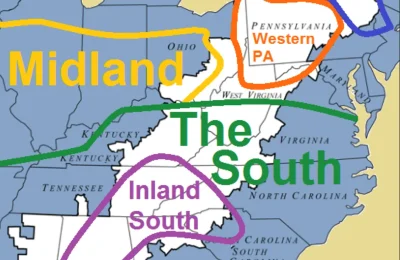
Although “ketchup” dominates globally, pockets of the United States — particularly in the South and parts of the Midwest — still favor “catsup.” Linguistic survey data from the Harvard Dialect Survey and more recent projects reveal clear geographic clusters. Curious about the geographic breakdown? Explore our catsup vs ketchup regional map for a visual guide to who says what and where.
Taste and Ingredients: Is There Any Difference?
Many people assume that if two words exist, two recipes must exist as well. The truth is simpler: products labeled “catsup” and products labeled “ketchup” follow the same basic recipe of tomato concentrate, vinegar, sugar (or high-fructose corn syrup), salt, and spices. Blind taste tests consistently show that consumers cannot distinguish one label from the other when the brand is hidden. We break down the ingredient lists and taste-test results on our catsup vs ketchup taste and ingredients page.
Pronunciation: How Do You Say “Catsup”?
Even people who read “catsup” on a label may not agree on how to say it. Is it “KAT-sup,” “KAT-suhp,” or “KETCH-up” regardless of spelling? Regional accents, family habits, and generational differences all play a role. For a full phonetic breakdown and audio guide, visit our catsup pronunciation guide.
The Branding War That Settled the Debate
The ketchup vs catsup question might still be a coin flip if not for corporate branding. When Heinz chose “ketchup” as its official label spelling, the company wielded enormous market share — eventually controlling over 60 percent of the U.S. ketchup market. Competitors like Hunt’s, which had long printed “catsup” on their bottles, eventually switched to “ketchup” in the 1980s to avoid consumer confusion and perceived inferiority.
Del Monte held out even longer, keeping “catsup” on labels until 1988. By that point, however, “ketchup” had become so overwhelmingly standard that using “catsup” felt like a deliberate retro choice rather than a neutral alternative.
What the FDA Says
The U.S. Food and Drug Administration recognizes both “ketchup” and “catsup” as acceptable names for the same product under 21 CFR 155.194. The standard of identity requires tomato concentrate, vinegar, sweeteners, salt, spices, and other approved ingredients — regardless of which name appears on the label. So from a regulatory standpoint, catsup or ketchup makes zero difference.
Catsup vs Ketchup in Pop Culture
The duality of names has made its way into television, literature, and even political humor. Perhaps the most famous pop-culture moment came from The Simpsons, in which a gag about competing “Ketchup” and “Catsup” bottles perfectly captured the absurdity of the debate. The joke resonated because millions of Americans had genuinely wondered whether the two products were different.
In political circles, the word “catsup” has occasionally been weaponized as a marker of folksy authenticity or, conversely, of being out of touch — depending on the audience. Either way, the word carries cultural weight far beyond its dictionary definition.
So, Should You Say Catsup or Ketchup?
Use whichever word feels natural. If you grew up hearing “catsup” at the family dinner table, there is no reason to stop. If “ketchup” is your default, you are in the statistical majority — but not the “correct” camp, because both camps are correct. Language is shaped by communities, not committees, and the difference between ketchup and catsup is a perfect example of that principle in action.
Explore More on Catsup.io
This pillar page is just the beginning. We have created in-depth guides on every facet of the catsup vs ketchup conversation:
- Catsup vs Ketchup Spelling — The full etymological and orthographic history.
- Catsup vs Ketchup Regional Map — See who says “catsup” and where.
- Catsup vs Ketchup Taste & Ingredients — Blind taste tests and label comparisons.
- Catsup Pronunciation Guide — How to say it, and why people disagree.
Want to learn everything there is to know about this iconic condiment? Head over to our complete guide to catsup and keep exploring.
Yes, catsup and ketchup are the same product. Both terms refer to the identical tomato-based condiment made from tomato concentrate, vinegar, sugar, and spices. The only difference is the spelling, which varies by region and brand preference. The U.S. FDA recognizes both names under the same standard of identity.
The word “catsup” is an older English phonetic spelling of the same term that gave us “ketchup,” both derived from the Hokkien Chinese word ke-tsiap. For much of American history, “catsup” was the more common spelling, particularly in the South and Midwest. The shift toward “ketchup” accelerated when Heinz adopted that spelling on its labels in the late 1800s.
Both spellings emerged around the same time in the late 1600s and early 1700s as English speakers attempted to transliterate the Hokkien Chinese word ke-tsiap. Early printed references include “catchup,” “catsup,” and “ketchup” with no single spelling dominating until the 20th century. Neither spelling can claim to have come first, as they evolved simultaneously from the same root word.
No, there is no taste difference between catsup and ketchup. Blind taste tests consistently show that consumers cannot distinguish between products labeled “catsup” and those labeled “ketchup” when the brand is hidden. Both follow the same basic recipe of tomato concentrate, vinegar, sweetener, salt, and spices.
The U.S. Food and Drug Administration recognizes both “catsup” and “ketchup” as acceptable names for the same product under 21 CFR 155.194. The standard of identity requires tomato concentrate, vinegar, sweeteners, salt, and spices regardless of which name appears on the label. From a regulatory standpoint, there is absolutely no distinction between the two.