
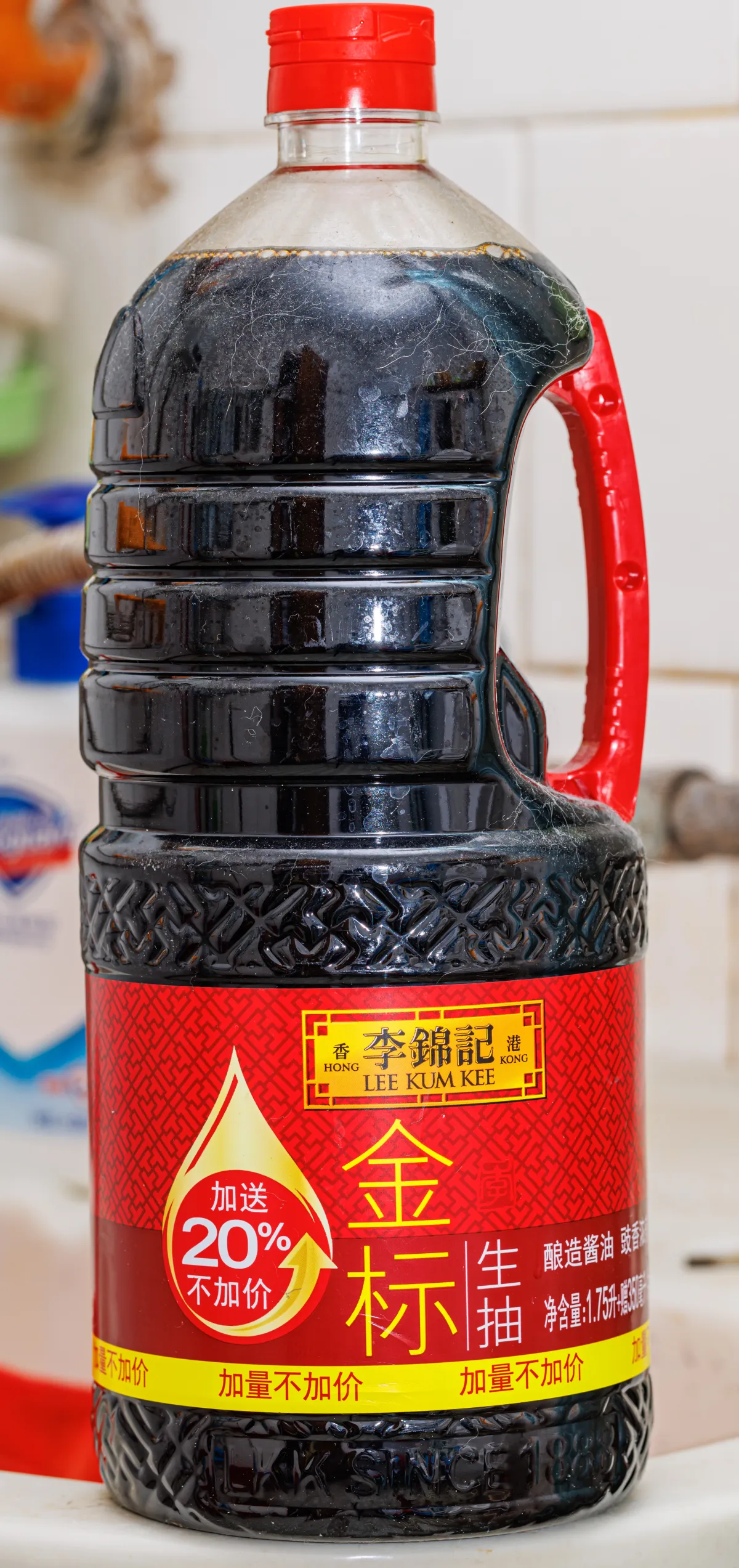
Chinese Catsup: The Ancient Fish Sauce That Became Modern Ketchup
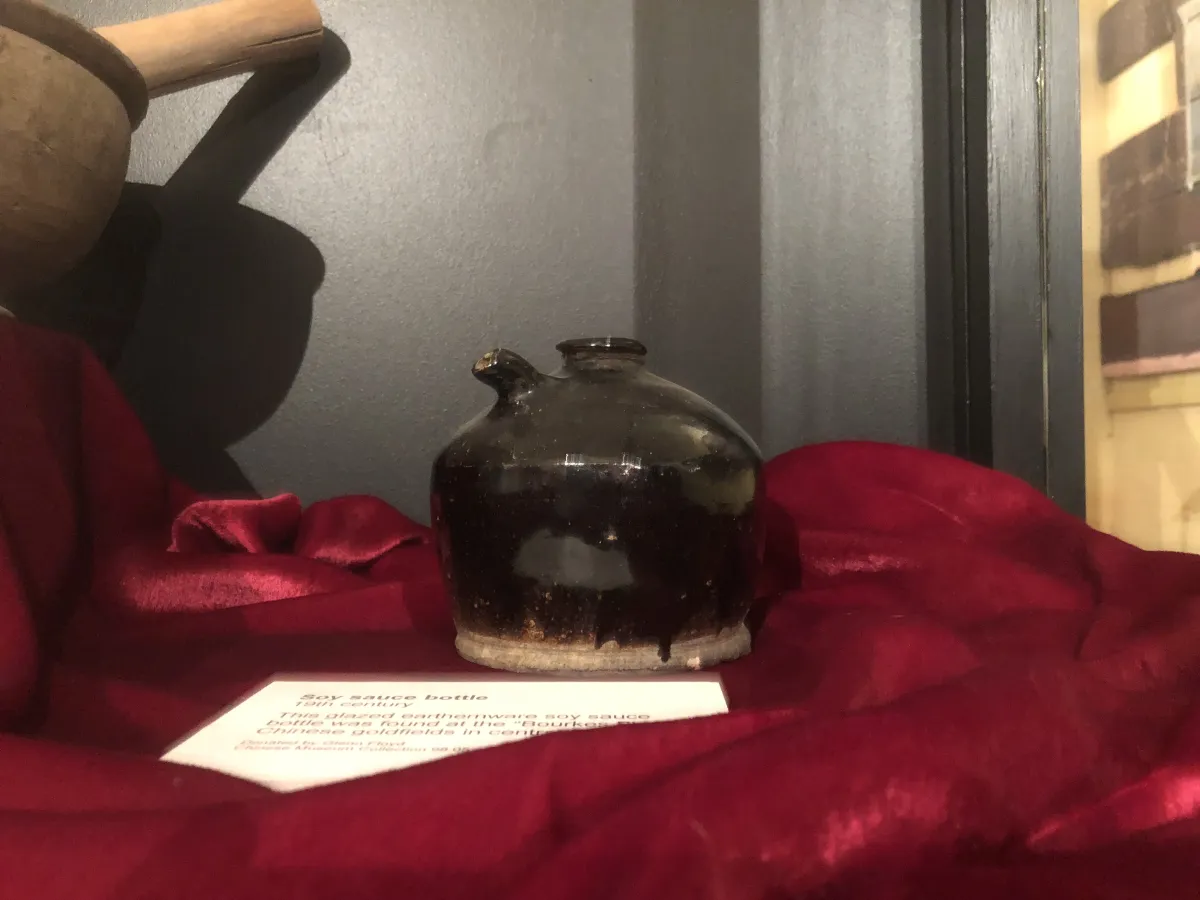
Modern catsup is a tomato condiment. But the original Chinese catsup had nothing to do with tomatoes. The word “ketchup” traces back to a fermented fish sauce from southern China and Southeast Asia — a pungent, savory liquid that would be unrecognizable to anyone squeezing Heinz onto their fries today. The story of how a Chinese fish sauce became America’s favorite tomato condiment is one of the most fascinating journeys in food history.
The Original Chinese Sauce: Kê-tsiap

The ancestor of modern catsup was called kê-tsiap (also written as kôe-chiap or ke-tchup) in the Hokkien dialect spoken in the Fujian province of southern China and by Chinese communities throughout Southeast Asia. The word roughly translates to “brine of pickled fish” or “fermented fish sauce.”
This was not a thick, sweet condiment. Kê-tsiap was a thin, dark, intensely savory liquid made by fermenting fish — sometimes anchovies, sometimes shellfish — with salt and spices. In some variations, soybeans, dried shrimp, or other ingredients were added to the fermentation. The result was a potent umami-rich sauce used to season rice, noodles, and other dishes. If you have ever used fish sauce in Thai or Vietnamese cooking, you already have a reasonable idea of what the original Chinese catsup tasted like.
How Chinese Catsup Reached Europe
The transformation from Asian fish sauce to Western condiment began in the 1600s and 1700s when European traders, missionaries, and sailors encountered kê-tsiap in the ports of Southeast Asia — particularly in present-day Malaysia, Singapore, and Indonesia, where large Hokkien-speaking Chinese communities had settled.
British and Dutch sailors developed a taste for the sauce and brought it back to Europe. The English adapted the Hokkien word into “ketchup” or “catchup,” and by the early 1700s, recipes for “ketchup” began appearing in British cookbooks. But here is the critical detail: these early European ketchups contained no tomatoes. Instead, British cooks attempted to recreate the savory, fermented flavor using ingredients available to them — mushrooms, walnuts, anchovies, oysters, and beer.
Mushroom ketchup became especially popular in 18th-century England and remained a pantry staple well into the 1800s. It was essentially a fermented mushroom extract seasoned with spices — much closer in spirit to the original Chinese sauce than anything we would call catsup today.
From Fish Sauce to Tomato Sauce
Tomatoes did not enter the picture until the early 1800s in the United States. American cooks, who had greater access to tomatoes than their British counterparts, began experimenting with tomato-based versions of ketchup. The earliest known published recipe for tomato ketchup appeared in 1812, credited to scientist and horticulturist James Mease of Philadelphia.
By the mid-1800s, tomato ketchup had become the dominant version in America, and the fish-sauce and mushroom-based originals faded from the mainstream. When Henry Heinz began mass-producing his tomato ketchup in 1876, the transformation was complete. The word “ketchup” — born from a Chinese fish sauce — now referred almost exclusively to a sweet, vinegary tomato condiment.
What Happened to the Original Chinese Sauce?
The original Chinese catsup never disappeared. It simply continued its own parallel existence under different names. Fish sauce remains a cornerstone of cooking across Southeast Asia — known as nam pla in Thailand, nuoc mam in Vietnam, and patis in the Philippines. In southern China, fermented soybean pastes and fish sauces still play the same role that kê-tsiap played centuries ago.
The word “ketchup” is what migrated and transformed — not the sauce itself. The original Chinese condiment is alive and well. It just is not called ketchup anymore.
A Summary of the Journey
| Era | What “Ketchup” Meant |
|---|---|
| Pre-1700s (China/SE Asia) | Fermented fish sauce (kê-tsiap) |
| 1700s (England) | Mushroom, walnut, or anchovy sauces |
| Early 1800s (America) | Tomato-based sauce begins to appear |
| 1876 onward | Heinz-style tomato ketchup dominates |
The next time someone asks where catsup comes from, the real answer is not “tomatoes.” It is a fishing village in southern China, centuries before anyone thought to put tomatoes in a bottle. For the full timeline of how catsup evolved from ancient fish sauce to the condiment we know today, read our complete history of catsup.