
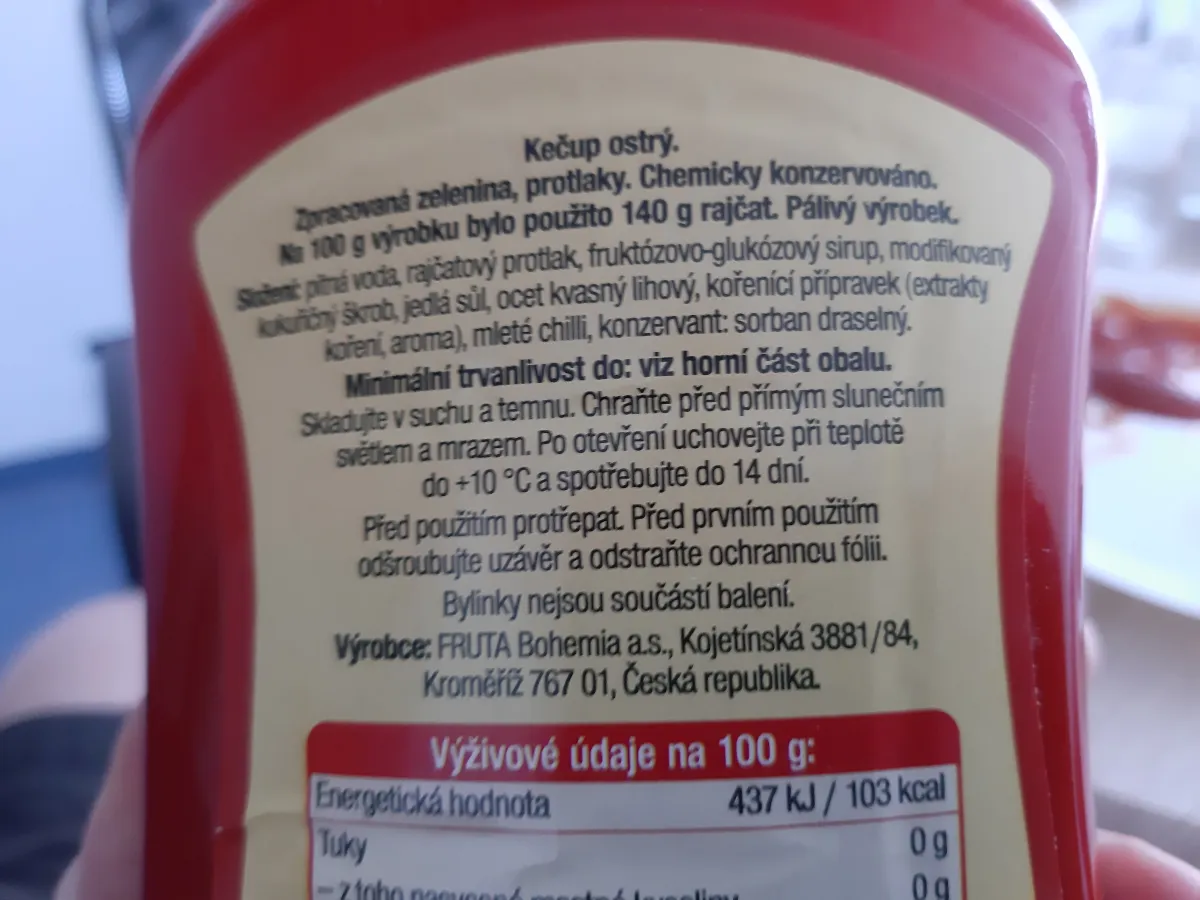
You have probably noticed the word “fancy” printed on certain bottles of catsup and wondered: what makes catsup fancy? Is it the ingredients, the manufacturing process, or simply a marketing term? The answer is more interesting than you might expect, rooted in actual United States government regulations that define exactly what qualifies as fancy catsup. In this guide, we explore the official definition of fancy catsup, how it differs from standard grades, and why it matters for your cooking and eating experience.
What Makes Catsup Fancy? The USDA Definition
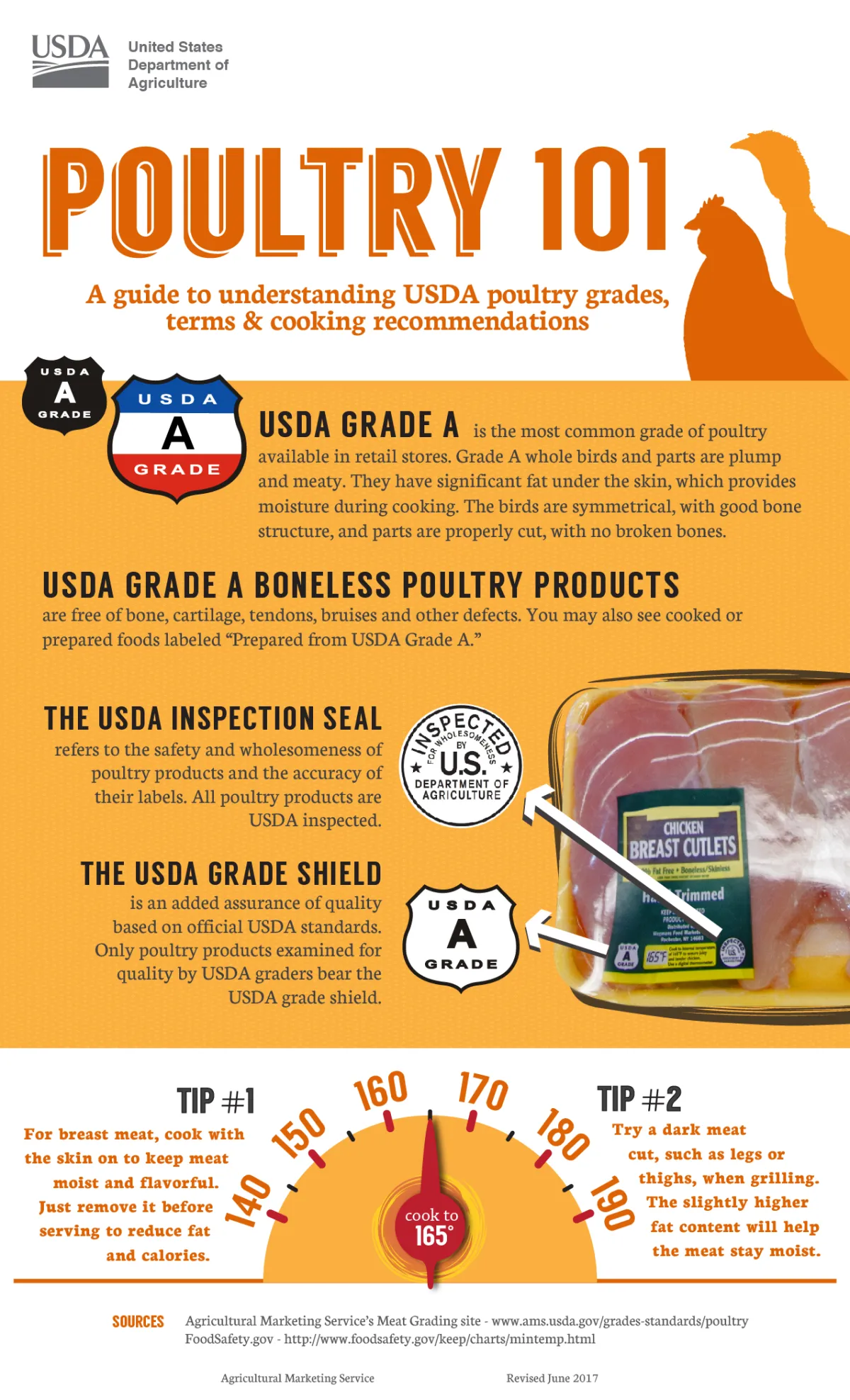
The term fancy catsup is not just a marketing buzzword. It is an official grade designated by the United States Department of Agriculture (USDA). The USDA grades catsup into three tiers based on specific quality criteria: Fancy (Grade A), Extra Standard (Grade B), and Standard (Grade C). Each grade is determined by measurable characteristics including specific gravity, total solids content, color, consistency, and the absence of defects.
To earn the fancy catsup designation, a product must score at least 85 out of 100 points on the USDA grading scale. The scoring system evaluates several key factors that we will examine in detail below. This grading system has been in place for decades and ensures that when you see “fancy” on a catsup label, it actually means something measurable and consistent.
The Grading Criteria: What Sets Fancy Apart
Color (Up to 15 Points)
Fancy catsup must have a bright, characteristic red color that is typical of well-ripened tomatoes that have been properly processed. The color should be uniform throughout the product with no dark spots, brown streaks, or uneven tones. Standard grade catsup may have a slightly dull or uneven color, while fancy grade presents the vibrant, appetizing red that consumers associate with quality. The tomatoes used for fancy grade are typically harvested at peak ripeness, which naturally produces a more vivid pigment.
Consistency (Up to 15 Points)
Consistency is one of the most important factors in what makes catsup fancy. Fancy grade catsup must have a smooth, uniform body that flows evenly without being watery or excessively thick. It should hold its shape when placed on a plate but spread easily when moved. The USDA measures this using standardized flow tests, and fancy catsup must fall within a specific range. This thick, rich consistency comes from a higher concentration of tomato solids, which means more tomato per ounce of product.
Absence of Defects (Up to 30 Points)
Fancy catsup must be essentially free of defects. This means no seeds, skin fragments, dark specks, or other visible particles. The product should be perfectly smooth to both the eye and the palate. Lower grades may contain minor defects that do not affect safety but do impact the eating experience. The absence of defects in fancy grade catsup reflects careful processing, including thorough straining and filtering that removes all unwanted particulate matter.
Flavor (Up to 40 Points)
Flavor carries the most weight in the grading system, accounting for up to 40 of the 100 total points. Fancy catsup must have a well-balanced flavor that is distinctly tomatoey with appropriate levels of sweetness, tanginess, and spice. There should be no off-flavors, bitterness, scorched taste, or excessive saltiness. The flavor should be clean, bright, and pleasant, reflecting the quality of the tomatoes used and the skill of the formulation. This is the category where you can most clearly taste the difference between fancy and standard grades.
Fancy Catsup vs. Standard: Can You Taste the Difference?
In blind taste tests, most people can indeed detect differences between fancy catsup and lower grades, even if they cannot articulate exactly what those differences are. Fancy grade catsup tends to taste brighter, more tomatoey, and more balanced. The consistency feels smoother and more luxurious on the palate. The color is more appealing, which research shows actually influences flavor perception even before the first taste.
That said, the differences are subtle rather than dramatic. If you are mixing catsup into a meatloaf or stirring it into a barbecue sauce, the grade matters less than if you are using it as a standalone dipping sauce where the flavor and texture are front and center. For premium applications where catsup is the star, investing in a fancy catsup product is worth the typically modest price premium.
Which Brands Sell Fancy Grade Catsup?
Many of the most popular commercial catsup brands actually produce fancy catsup as their standard product. Heinz, the market leader, labels its flagship product as fancy grade. This means that when you buy a standard bottle of Heinz catsup, you are already getting the highest USDA grade. Several other national brands also meet fancy grade standards, though not all choose to display the designation prominently on their labels.
Artisanal and small-batch catsup producers often exceed fancy grade requirements by a wide margin, using premium ingredients like organic heirloom tomatoes, raw cane sugar, and aged vinegar. These products may not carry the official USDA fancy designation simply because the producers have not submitted their products for formal grading, but the quality is typically exceptional. If you want to explore the broader landscape of premium options, check out our guide to types of catsup.
The History of Catsup Grading
The USDA catsup grading system was established to provide consumers with a reliable indicator of quality and to give manufacturers a standardized benchmark to aim for. Before grading standards existed, the quality of catsup varied wildly from brand to brand and batch to batch. Some early catsup products contained questionable ingredients including coal tar dyes, sodium benzoate, and in the worst cases, rotten or underripe tomatoes disguised with heavy seasoning.
The push for pure food laws in the early 1900s, championed by figures like Dr. Harvey Wiley, led to stricter regulations on food manufacturing. The USDA grading system for catsup emerged as part of this broader movement toward food quality and safety standards. Today, while the grading system is voluntary, most major manufacturers participate because the “fancy” designation carries genuine consumer appeal.
How to Identify Fancy Catsup at the Store
- Look for the word “Fancy” on the label. It is typically printed near the product name or on the front panel.
- Check the USDA grade shield if present, though not all fancy products display it.
- Read the ingredient list. Fancy catsup tends to have a shorter, cleaner ingredient list with real tomatoes, vinegar, sugar, salt, and natural spices.
- Compare total tomato solids. Higher solids content generally indicates a thicker, more flavorful product consistent with fancy grade.
- Consider the price. While not always the case, fancy grade products often command a small premium over standard grade alternatives.
Is Fancy Catsup Worth It?
What makes catsup fancy ultimately comes down to quality across every measurable dimension: color, consistency, purity, and flavor. Whether the upgrade is worth it depends on how you use catsup. For everyday use on burgers and fries, any decent catsup will serve you well. But if you are a discerning eater who notices and appreciates subtle quality differences, or if you are using catsup in a dish where its flavor is prominent, fancy catsup delivers a genuinely superior experience. The good news is that many popular brands already meet the fancy standard, so you may already be enjoying it without even knowing. For tips on keeping your fancy catsup at its best, visit our catsup storage guide.