
Have you ever wondered what is catsup made of? Whether you are reading a label for the first time or trying to compare brands, understanding catsup ingredients helps you make smarter choices at the grocery store. From the tomatoes that give it its signature red color to the spices that round out its flavor, every component plays a role. In this guide, we break down the full ingredients in catsup, compare popular brands like Heinz, and explore how modern formulations are evolving to meet new dietary preferences.
The Core Catsup Ingredients
Despite the countless brands lining supermarket shelves, the basic catsup ingredients have remained remarkably consistent for over a century. Here is what goes into a standard bottle of catsup:
1. Tomatoes (Tomato Concentrate)

The foundation of every bottle of catsup is tomatoes. Most manufacturers use tomato concentrate — a thick paste made by cooking down fresh tomatoes and removing much of the water content. This concentrate delivers the rich red color, the mild acidity, and the umami depth that defines catsup. Tomato concentrate also provides lycopene, an antioxidant linked to heart health and reduced inflammation. The quality of the tomatoes used is the single biggest factor in how a catsup tastes, which is why premium brands often highlight the origin of their tomatoes on the label.
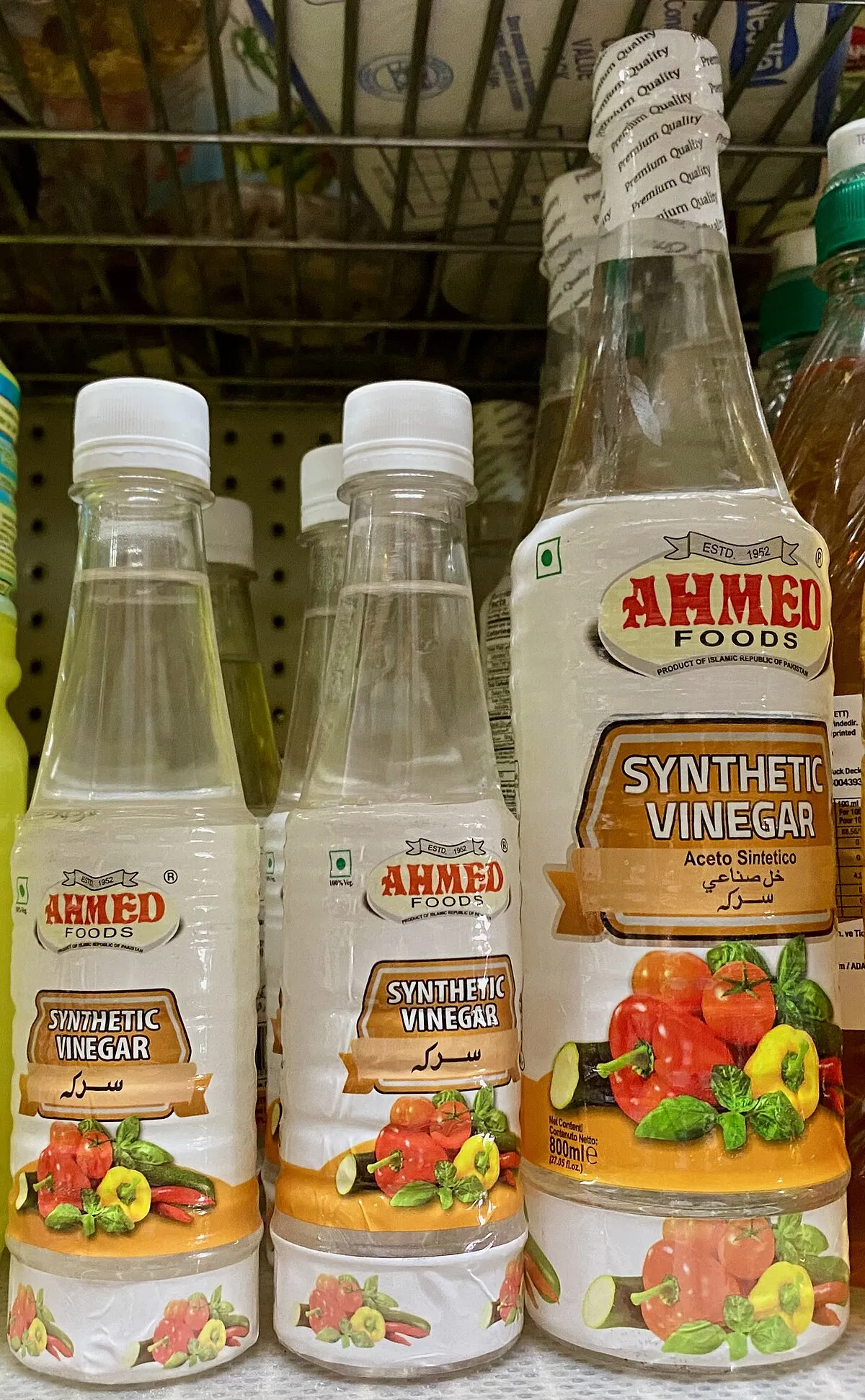
2. Distilled Vinegar
Vinegar is the ingredient responsible for the tangy bite in catsup. Most commercial brands use distilled white vinegar, which provides a clean, sharp acidity without adding color or competing flavors. The vinegar also acts as a natural preservative, helping extend shelf life by creating an acidic environment that inhibits bacterial growth. Some artisan catsup brands substitute apple cider vinegar or balsamic vinegar for a more complex flavor profile.
3. Sweetener (High-Fructose Corn Syrup or Sugar)
Sweetness is essential to balancing the acidity of the tomatoes and vinegar. Traditional American catsup recipes use high-fructose corn syrup (HFCS) as the primary sweetener because it is inexpensive and blends smoothly into liquid formulations. However, growing consumer demand for cleaner labels has pushed many brands — including Heinz — to offer versions sweetened with cane sugar instead. Organic catsup almost always uses organic cane sugar or organic cane syrup. The sweetener is one of the most scrutinized ingredients in catsup because it directly impacts both taste and nutritional value. For a full look at the sugar and calorie content, see our page on catsup calories and nutrition facts.
4. Salt
Salt enhances every other flavor in catsup. It amplifies the sweetness, rounds out the acidity, and brings forward the savory, umami notes from the tomato. A single tablespoon of standard catsup contains around 160 milligrams of sodium, which is roughly 7 percent of the recommended daily value. Reduced-sodium catsup options are available for anyone watching their salt intake.
5. Spice Blend
The “natural flavoring” or “spices” listed on a catsup label typically refers to a proprietary blend that may include allspice, clove, cinnamon, celery seed, mustard seed, and sometimes a hint of nutmeg. This spice blend is what separates one brand from another. While the exact ratios are closely guarded trade secrets, the overall effect is a warm, slightly sweet spice profile that complements the tomato base without overpowering it.
6. Onion Powder
Onion powder adds a subtle savory depth to catsup. It contributes a mild sweetness when cooked and helps tie together the tomato, vinegar, and spice flavors into a cohesive taste. Some brands also include garlic powder, though this is less common in mainstream formulations.
Heinz Catsup Ingredients: A Closer Look
Because Heinz dominates the market, many people specifically search for Heinz catsup ingredients. Here is the full ingredient list for Heinz Tomato Ketchup (the product historically sold as Heinz Catsup):
- Tomato concentrate from red ripe tomatoes
- Distilled vinegar
- High-fructose corn syrup
- Corn syrup
- Salt
- Spice
- Onion powder
- Natural flavoring
The “Simply Heinz” version replaces HFCS with cane sugar, appealing to consumers who prefer to avoid corn-based sweeteners. The organic Heinz variety goes further, using only organic tomatoes, organic vinegar, organic sugar, and organic spices — all certified USDA Organic.
Notably, Heinz catsup ingredients do not include artificial colors, artificial flavors, or artificial preservatives. The red color comes entirely from the tomatoes, and preservation relies on the natural acidity of the vinegar combined with the sugar and salt content.
Comparing Catsup Ingredients Across Brands
While Heinz sets the benchmark, other major brands have their own formulations. Hunt’s catsup, for example, has long marketed itself as a “no high-fructose corn syrup” option, using sugar as its sweetener. Store-brand catsup often mirrors the Heinz formulation closely but may use slightly different spice blends or tomato sources. Organic brands like Sir Kensington’s or Primal Kitchen take a more adventurous approach, incorporating ingredients such as balsamic vinegar, Dijon mustard, or even dates as a natural sweetener.
When comparing ingredients in catsup across brands, focus on three key areas: the type of sweetener, the sodium content per serving, and whether the tomatoes are conventionally or organically grown. These three factors account for the largest differences in both taste and nutritional value.
What About Allergens and Dietary Concerns?
Standard catsup is naturally free of most major allergens. It contains no dairy, eggs, nuts, soy, or shellfish. The question of gluten comes up frequently — and the good news is that mainstream catsup formulations are typically gluten free. We cover this topic in full detail on our is catsup gluten free page.
Vegans and vegetarians can enjoy standard catsup without concern, as no animal products are used in conventional recipes. However, some artisan or novelty catsup products may include ingredients like Worcestershire sauce (which contains anchovies) or honey, so always check labels if you follow a strict plant-based diet.
How Catsup Ingredients Affect Health
Understanding what catsup is made of is the first step toward understanding its impact on your health. The tomato base provides beneficial lycopene and vitamins A and C. The vinegar may offer modest digestive benefits. However, the sugar and sodium content — the two ingredients health-conscious consumers worry about most — can add up with heavy use. A few tablespoons on a burger is unlikely to cause any issues, but dousing every meal in catsup could contribute to excess calorie and sodium intake over time. For the complete nutritional picture, visit our catsup nutrition facts page, or read our analysis of whether catsup is healthy.
The Evolution of Catsup Ingredients
The ingredients in catsup have changed dramatically over the centuries. Early catsup recipes — dating back to the 1700s — called for mushrooms, walnuts, anchovies, or even oysters as the primary base. Tomatoes only entered the picture in the early 1800s, and sugar was not a standard addition until the late 19th century. The introduction of high-fructose corn syrup in the 1970s marked another turning point, making catsup sweeter and more affordable to mass-produce.
Today, the trend is moving back toward simpler, more natural ingredient lists. Brands are removing HFCS, sourcing organic tomatoes, and experimenting with alternative sweeteners like coconut sugar and date syrup. This evolution reflects a broader shift in consumer values — people want to know exactly what is catsup made of, and they want those ingredients to align with their health and environmental goals.
Making Catsup at Home
If you want complete control over your catsup ingredients, making it at home is surprisingly easy. A basic homemade catsup recipe requires just six ingredients: canned tomato paste, apple cider vinegar, honey or maple syrup, garlic powder, onion powder, and salt. Simmer them together for 15 to 20 minutes, adjust the sweetness and acidity to your liking, and you have a fresh, preservative-free catsup that rivals anything on the store shelf. You can customize it further with smoked paprika, cayenne pepper, or a splash of Worcestershire sauce for extra depth.
Final Thoughts
Whether you reach for a classic Heinz bottle or a craft brand with a creative twist, the catsup ingredients list is shorter and simpler than most people expect. Tomatoes, vinegar, sweetener, salt, and spices — that is the formula behind one of the most popular condiments on Earth. Understanding what catsup is made of empowers you to choose the right brand for your dietary needs and flavor preferences. Want to learn more? Head back to our main guide on what is catsup or explore any of the related topics in our catsup knowledge hub.